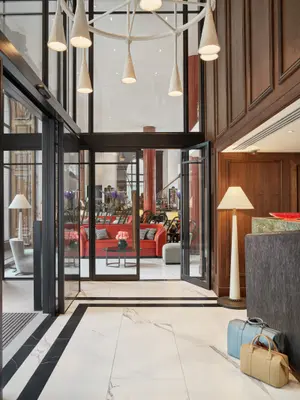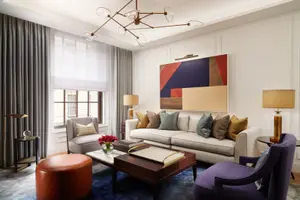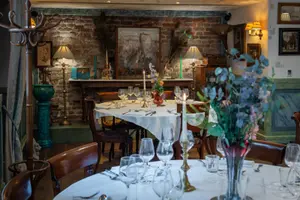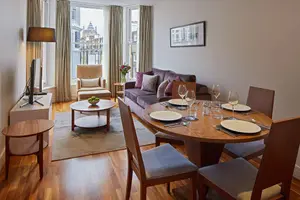
The Mandrake
When you book The Mandrake in London, England, through our Fora Reserve partnership, your stay includes breakfast and a $50 USD food and beverage credit per stay. No premium credit card or membership needed: request a quote and our advisor books it at the same rate as booking direct.
Special Offer
Mud Caves experience at DAMU complimentary access to the mud caves at DAMU, during your guests stay; an immersive, grounding experience inspired by ancient healing traditions, offering benefits like detoxification & lymphatic drainage, stress release & mental clarity + 1 hour access, for up to 2 people in the mud caves to be booked ahead of the stay to ensure availability no exclusive use this is a sharable space for new bookings only this does not give access to other treatments subject to availability (retail value of £130) more info on the experience
Exclusive Booking Perks
These perks are included with your stay at the same rate as booking direct with the hotel.
- 15% off BAR
- Complimentary breakfast
- $50 USD Food and Beverage Credit (per stay)
- Complimentary upgrade and early check-in (subject to availability)
- Complimentary 1PM check-out
- Complimentary welcome drinks on arrival
Guest feedback
8.2/10 from 609 guest reviews
By category
Guests liked
- Cleanliness
- Good Service
- Great Location
Points to consider
- Room Size
- Privacy Issues
Location
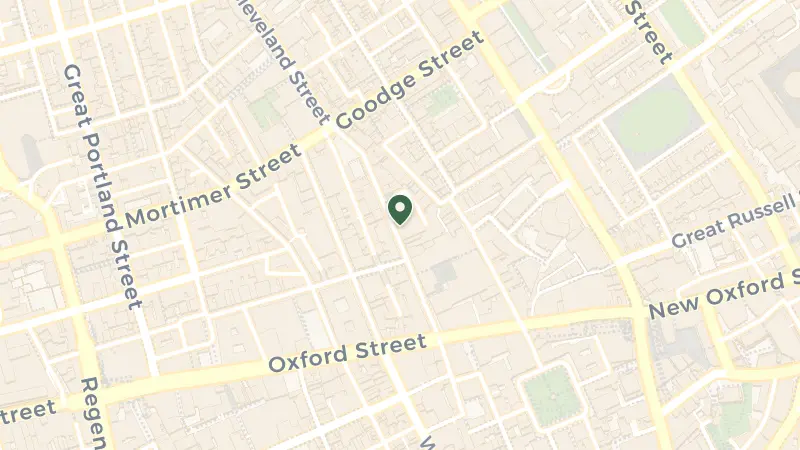
The Mandrake occupies an unusual position in London's geography, tucked into the seam where workaday Marylebone meets the gilded avenues of Mayfair. This is not the London of red buses and postcard views, but a quieter, more textured quarter where Georgian townhouses stand shoulder to shoulder with modern glass, and where the pace slows just enough to notice the quality of light through plane trees. Regent Street marks the boundary to the east; beyond it, the theatre district hums with pre-curtain energy, while to the west, Hyde Park stretches green and vast.
Mayfair itself carries centuries of aristocratic weight. The Grosvenor family transformed these fields in the early 18th century, replacing the rowdy May Fair (which ran from 1686 until it was shuttered in 1764 for being too unruly) with orderly squares and crescents that became synonymous with wealth. Today it remains one of the world's most expensive districts, though East Marylebone softens that formality with independent shops, smaller hotels, and a residential ease.
The city's airports fan out in widening arcs: London City lies 13 kilometres east along the Thames, Heathrow 23 kilometres west, and Gatwick 41 kilometres south. The Tube and black cabs thread through it all, though walking remains the best way to absorb the layered character of these streets.
Within walking distance, you'll find three of the city's handful of Michelin three-star restaurants. Sketch, The Lecture Room and Library, occupies an 18th-century townhouse less than seven hundred metres away, where Pierre Gagnaire's modern French cooking unfolds with theatrical flair. Hélène Darroze at The Connaught, just over a kilometre south, offers wood-panelled warmth and inventive French-inflected dishes. Alain Ducasse at The Dorchester, one and a half kilometres distant, delivers impeccable French technique in an atmosphere of quiet luxury. Book well ahead for any of these; they fill weeks in advance.
The neighbourhood rewards aimless wandering. Seven Dials Market, eight hundred metres away, gathers global street food under one roof, while Marylebone Farmers' Market showcases organic British produce on Sundays. The Palace of Westminster and Westminster Abbey, two kilometres south along the Thames, anchor Britain's political and ecclesiastical history in Norman and neo-Gothic stone. Don't miss the Tower of London, four kilometres east, where the White Tower has stood since William the Conqueror secured his claim in the 11th century.
Summer in London means long evenings, the kind where daylight lingers past nine and the parks fill with office workers sprawled on the grass. July and August bring the warmest temperatures, hovering around 21°C, though the city never quite shakes its maritime cool. Rain arrives in short bursts rather than sustained downpours, and the light takes on a honeyed quality in the late afternoon.
Autumn sharpens the air and thins the crowds. September holds onto summer warmth, but by November the skies turn low and grey, and the streets glisten with fallen leaves and drizzle. This is when museums and theatres come into their own, and when the city feels most intensely itself.
Winter and early spring test patience with short days and persistent damp, though temperatures rarely drop below freezing. March and April offer the reward: daffodils and cherry blossoms in the royal parks, and a sense of the city shaking off its overcoat. Late spring through early autumn remains the ideal window, when London's outdoor life fully unfolds.
Frequently Asked Questions

Quotes are personally reviewed by Natasha Hardy, founder of The Uncommon Traveller
5.0 rating · 8 Google reviewsThere is no fee or markup. The hotel pays our commission.
Request a Quote 54 Bib Gourmand