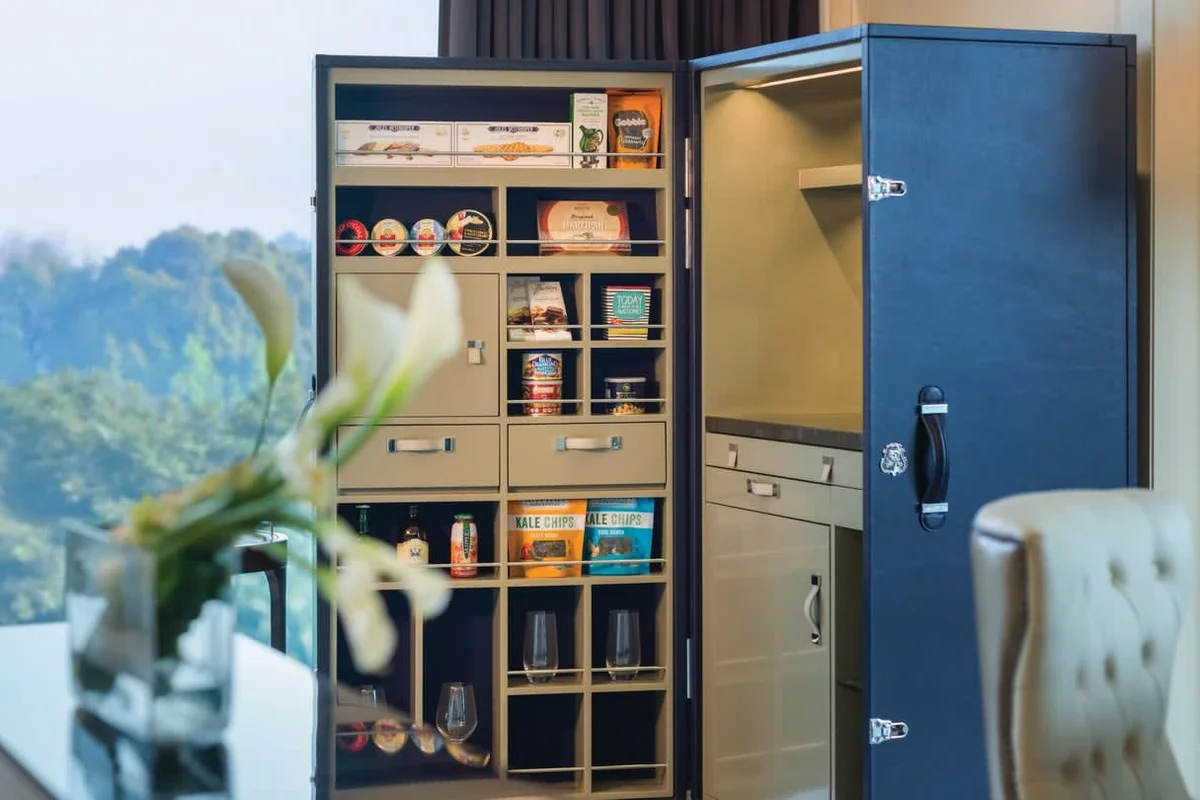
The St. Regis Kuala Lumpur
When you book The St. Regis Kuala Lumpur in Malaysia through our Marriott STARS partnership, your stay includes daily breakfast for two and a $100 USD hotel credit once per stay. You also receive a room upgrade when available. You continue earning Marriott Bonvoy points and elite night credits. No premium credit card or membership needed: request a quote and our advisor books it at the same rate as booking direct.
Exclusive Booking Perks
These perks are included with your stay at the same rate as booking direct with the hotel.
- Personalized and customized amenity
- Complimentary breakfast daily for two guests per room
- All STARS hotels offer a hotel credit valued at $100 USD (once per stay)
- Early check-in and late check-out (when available)
- Complimentary upgrade (if available at check-in)
Location
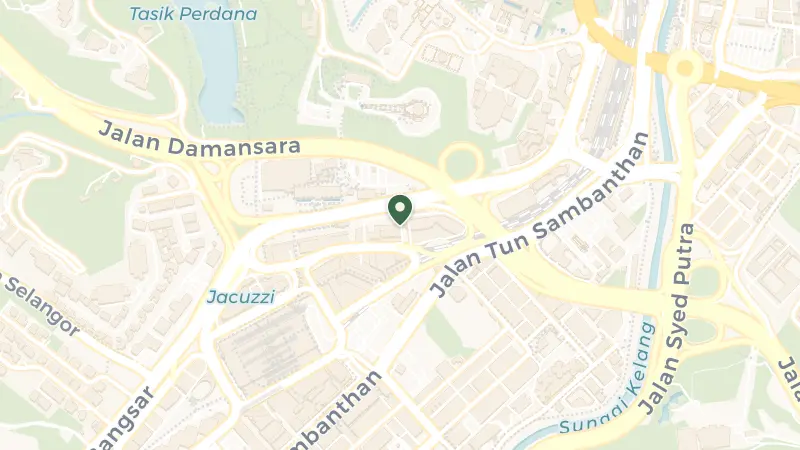
St. Regis brings its century-old New York pedigree to Kuala Lumpur with the brand's signature butler service and an atmosphere of measured formality, here reinterpreted through Malaysian cultural references. The property anchors itself in Bukit Bintang, the city's kinetic shopping and entertainment district where al-fresco cafés spill onto pavements and night markets ignite after dark. This is where KL-ites come to see and be seen, where the hum of conversation in mamak stalls blends with the bass thump from rooftop bars and the call to evening prayer drifts over the neon-lit retail corridors.
The neighbourhood pulses with an egalitarian energy: hawker-type eateries serving char kway teow sit steps from landmark shopping arcades, and Jalan Bukit Bintang itself becomes a theatre of constant motion. The city around it grew from a 19th-century tin mining settlement on the Gombak River, shaped by figures like Yap Ah Loy who turned muddy riverbanks into a colonial trading hub. Today it's Southeast Asia's fastest-growing metropolis, a federal capital that still holds the executive pulse of Malaysia despite the government's formal move to Putrajaya.
Sultan Abdul Aziz Shah International Airport lies 16 kilometres west; Kuala Lumpur International Airport sits 44 kilometres south with rail links threading into the city centre. Both feed a destination that operates on equatorial time, always warm, always restless.
The property houses three Michelin-selected restaurants, each occupying its own culinary register. The Brasserie turns out modern French plates inflected with Mediterranean and Asian notes, the kind of cooking that reflects a chef's tenure across Europe and Asia. Ushi takes a more intimate approach: 12 counter seats face a cooking station where decades of experience translate into kaiseki-style omakase centred on Ozaki beef, that rare convergence of marbling and tenderness. Sushi Taka flies seasonal fish from Japan and sources sUshi rice from a specific town in Niigata, the sort of specificity that defines serious sUshi-ya. Book a table at any of the three and you'll understand why this property anchors itself in culinary credibility.
Beyond the hotel, Bukit Bintang's night markets and street food stalls offer a different education: satay grilled over charcoal, roti canai flipped at roadside stands, the funk of durian splitting open in the humid air. Pasar Malam Lorong Tuanku Abdul Rahman, just over two kilometres north, sprawls with textiles, produce, and the kind of hawker energy that defines KL after dark. The Gombak River, which gave birth to this city in 1857, still threads through the urban fabric, a reminder that this capital was never planned but rather willed into existence by tin miners and colonial ambition.
Kuala Lumpur operates in a state of perpetual summer, temperatures hovering around 30 degrees year-round with only minor seasonal drift. The equatorial climate means no true winter, no relief from the humidity that clings to your skin the moment you step outside. What changes is the rain.
November through January brings the heaviest downpours, afternoon storms that arrive with theatrical suddenness and clear just as quickly, leaving the streets steaming. The air feels thickest then, the city slowing just slightly under the weight of wet heat. April and October also see substantial rainfall, though the pattern is less predictable.
May through August offers the driest stretch, though "dry" here is relative; brief showers still punctuate most afternoons. The light during these months is harder, more direct, the kind that makes the Petronas Towers gleam like twin blades against the sky. For those sensitive to humidity, these marginally drier months provide the most comfortable window, though the city's rhythm remains constant regardless of what falls from the clouds.
Frequently Asked Questions

Quotes are personally reviewed by Natasha Hardy, founder of The Uncommon Traveller
5.0 rating · 8 Google reviewsThere is no fee or markup. The hotel pays our commission.
Request a Quote 24 Bib Gourmand