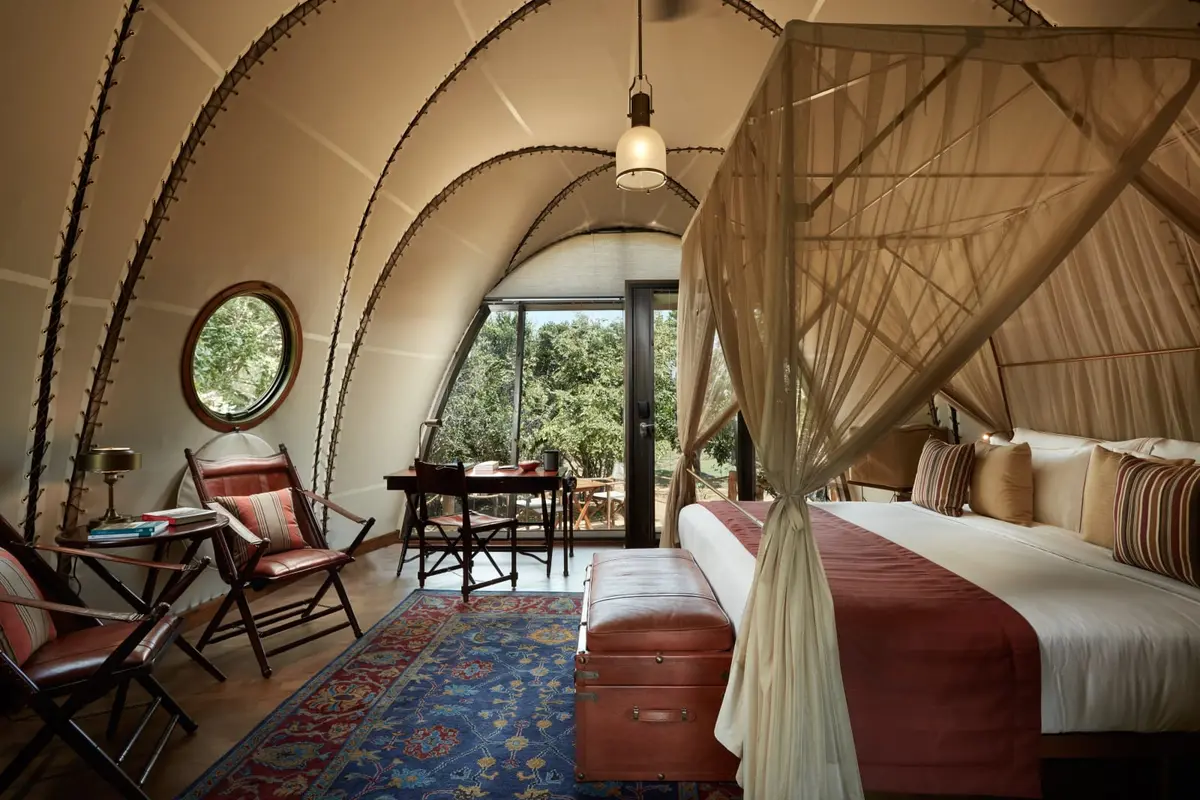
Wild Coast Tented Lodge - Relais and Chateaux
When you book Wild Coast Tented Lodge - Relais and Chateaux in Yala, Sri Lanka, through our Fora Reserve partnership, your stay includes a one-category room upgrade, early check-in and late check-out when available. No premium credit card or membership needed: request a quote and our advisor books it at the same rate as booking direct.
Special Offer
- 20% off - Free stay for one child below the age of 12 years. - Kids’ Cooking Classes, Junior Ranger program , and a range of family activities. - Daily breakfast, lunch, afternoon cream tea and dinner - Beverages including spirits, cocktails & wines, soft drinks and In-Room minibar. - Laundry. - Resort ranger guided game drive, per night stay.
Exclusive Booking Perks
These perks are included with your stay at the same rate as booking direct with the hotel.
- Room upgrade to the next category (subject to availability at check-in)
- Early check-in and late check-out (subject to availability on resort)
- Guided nature walk once during the stay (shared)
Location
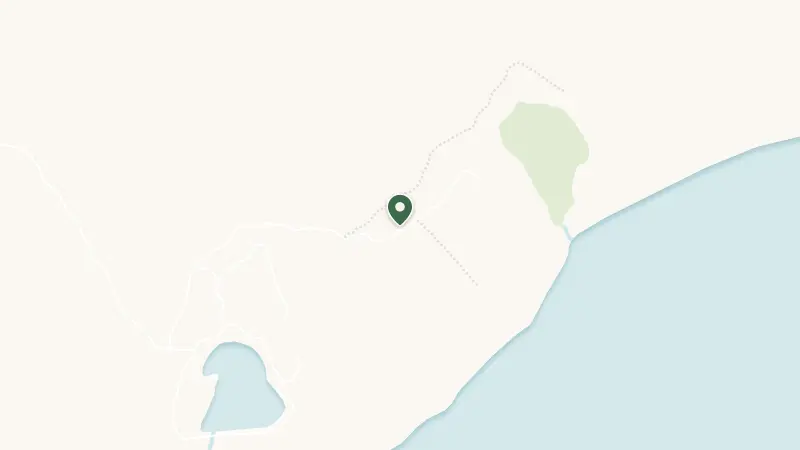
Relais & Châteaux properties are distinguished by their commitment to a personal, singular vision, often in destinations where nature and heritage intersect. Wild Coast Tented Lodge occupies a stretch of southern Sri Lanka where the Indian Ocean meets the fringes of one of Asia's most important leopard habitats. Palatupana, the coastal village closest to the property, is defined by its proximity to Yala National Park, a place where wildlife corridors extend to the shoreline and the rhythm of life follows the movement of elephants, sloth bears, and the island's highest concentration of leopards.
The landscape here is dry lowland forest punctuated by lagoons and rocky outcrops, with long pale beaches curving away from the park's boundary. Amaduwa Beach lies just two and a half kilometres from the property, while Kudaseelawa and Mahaseelawa stretch along the coast within easy reach. The nearest international airport is Mattala Rajapaksa, thirty-one kilometres inland, a recent addition to Sri Lanka's infrastructure built in part to serve this remote southern corner.
This is not a developed resort zone. The architecture of the region is modest, the roads quiet, and the presence of wildlife dictates much of the area's character. Mornings begin with the calls of peacocks and hornbills; evenings with the slow passage of herds moving between water sources.
Yala National Park, eleven kilometres from the property, is the primary reason most travelers come to this part of Sri Lanka. The park's Block 1 is the most visited section, where early morning safaris yield sightings of leopards lounging in trees, mugger crocodiles sunning on lagoon banks, and elephants crossing open scrubland. The park's density of leopards is among the highest in the world, and sightings, while never guaranteed, are frequent enough to justify the predawn departures. Book a guided nature walk to explore the immediate surroundings on foot, where the smaller narratives of the ecosystem come into focus: monitor lizards, painted storks, the tracks of wild boar in the sand.
The coast here is undeveloped and windswept, better suited to solitary walks than swimming. Amaduwa Beach and Kudaseelawa Beach are both accessible and largely deserted, backed by scrub rather than palms. There is no dining culture in the immediate area; the lodge is the centre of culinary activity. Lunugamvehera National Park, thirty-two kilometres away, offers a quieter alternative to Yala's crowds, with similar biodiversity and fewer vehicles competing for sightings along the dusty tracks.
The dry season from June through September brings the clearest skies and the most reliable wildlife viewing, as animals gather around shrinking waterholes. Temperatures hover around thirty-one degrees, and the air is sharp with salt and dust from the park's open plains.
October and November mark the transition to the monsoon. Rainfall increases sharply, and the park's lesser-visited blocks may close temporarily. The landscape greens, bird activity intensifies, and the ocean turns restless. December through February sees intermittent showers but remains accessible, with cooler mornings and occasional cloud cover softening the light.
March through May is the hottest stretch, with temperatures climbing past thirty-two degrees. The heat is dry and intense, and the vegetation thins as water sources dwindle. This is peak season for leopard sightings, as the animals emerge in daylight to drink and hunt in the open.
Frequently Asked Questions

Quotes are personally reviewed by Natasha Hardy, founder of The Uncommon Traveller
5.0 rating · 8 Google reviewsThere is no fee or markup. The hotel pays our commission.
Request a Quote