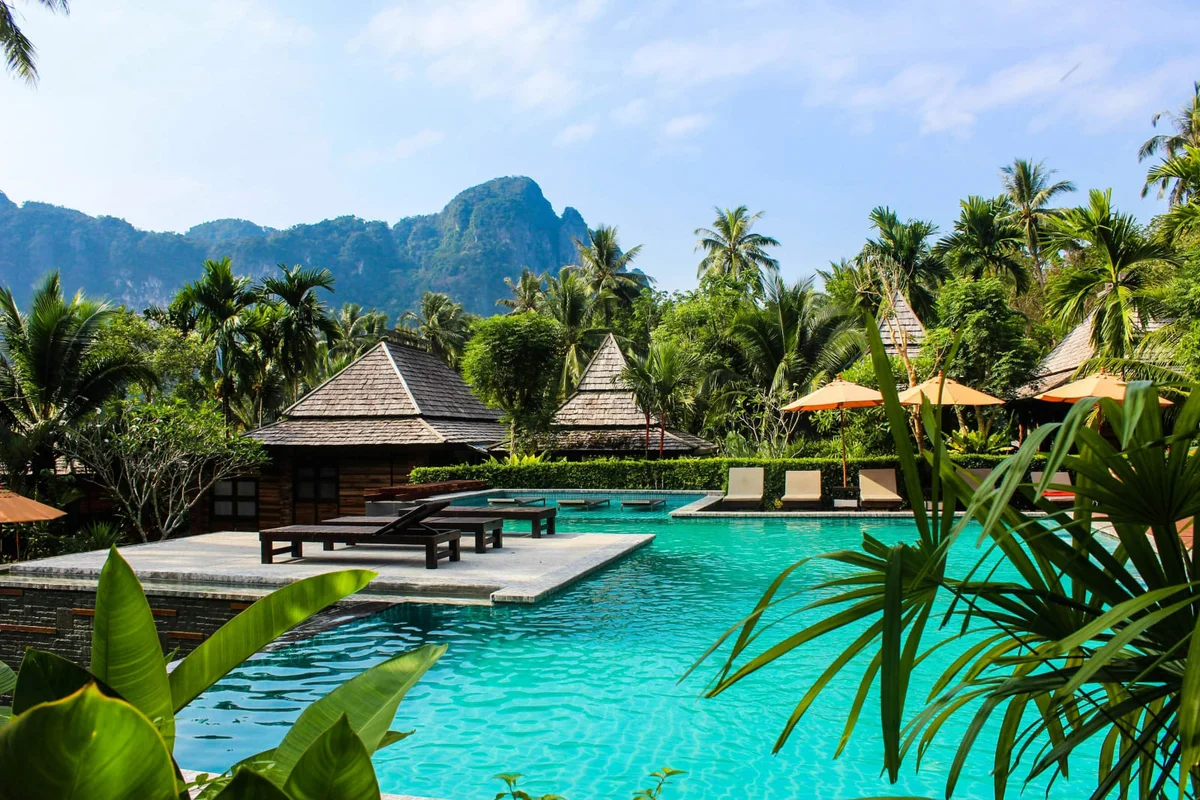
Ace Hotel Kyoto
When you book Ace Hotel Kyoto in Japan through our Fora Reserve partnership, your stay includes a $50 hotel credit per stay and a welcome amenity. You also receive a room upgrade, early check-in and late check-out when available. No premium credit card or membership needed: request a quote and our advisor books it at the same rate as booking direct.
Exclusive Booking Perks
These perks are included with your stay at the same rate as booking direct with the hotel.
- Early check-in, late check-out (subject to availability)
- Upgrade (based on availability)
- Welcome amenity
- $50 Credit per stay
Guest feedback
9.6/10 from 2,903 guest reviews
Read what guests commentedBy category
Guests liked
- Great location
- Friendly staff
- Spacious rooms
Points to consider
- Slow internet
Location
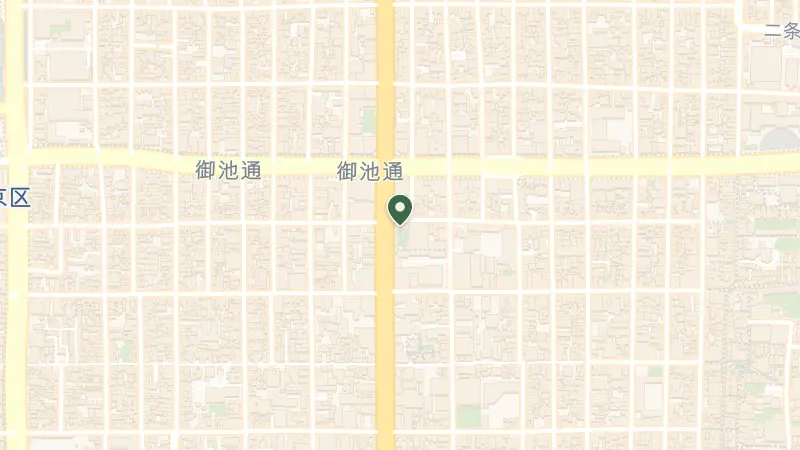
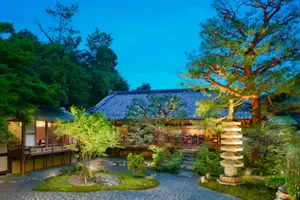
Ace Hotel arrived in Kyoto with a different proposition: a property that honours the city's deep craft traditions while sidestepping the reverent hush of more conventional ryokan-adjacent hotels. The approach feels less like transplanting Brooklyn cool and more like a conversation between makers, a recognition that Kyoto's artisan culture and the brand's design-forward ethos share common ground.
The neighbourhood sits in Nakagyo Ward, central Kyoto's beating heart, where machiya townhouses still line narrow lanes and the Kamo River flows just east. This is the city that Emperor Kanmu chose in 794, laying it out according to Chinese feng shui principles as Heian-kyō, and where emperors ruled for eleven centuries until the capital shifted to Tokyo in 1869. The streets here feel layered with that history, temple bells marking the hours, incense curling from shopfronts, the occasional flash of a vermillion torii gate between modern facades.
Osaka Itami International Airport lies thirty-nine kilometres away, reachable by limousine bus or train connections through Kyoto Station. Kansai International, eighty kilometres south, serves long-haul arrivals with direct rail links to the city centre. The property's location means most of Kyoto's UNESCO monuments, tea houses, and kaiseki institutions fall within easy reach by foot, bicycle, or brief taxi ride.
Within walking distance, Isshisoden Nakamura holds three Michelin stars, a sixth-generation operation that evolved from a Wakasa Bay fishmonger into one of Kyoto's most revered Japanese restaurants. The precision here is ancestral, techniques passed father to son. Two kilometres east in Gion, Gion Sasaki pursues a different philosophy, a teacher and his students in constant refinement of flavour. Book a table at Mizai, two kilometres away, where Hiroshi Ishihara channels Zen teachings into kaiseki that feels less like dining and more like stillness distilled. The votive lanterns flicker against raw wood, each course an exercise in rustic simplicity.
The Historic Monuments of Ancient Kyoto, a UNESCO designation covering seventeen sites, begin three kilometres from the property. Kiyomizu-dera's wooden stage juts over forested slopes, the Otowa Waterfall below believed to grant wishes. Fushimi Inari's vermillion torii tunnels wind up Mount Inari, thousands of gates donated over centuries. For provisions, Kyoto Central Wholesale Markets sprawl two and a half kilometres away, stalls piled with Kyo-yasai heirloom vegetables, yuba tofu skins, and tsukemono pickles that define the city's culinary vocabulary.
Winter arrives sharp, January mornings dipping below freezing, the city quiet under occasional snow. Stone gardens at temples take on a monochrome beauty, frost tracing bamboo groves and paper screens.
Spring and autumn define Kyoto's rhythm. Cherry blossoms erupt in early April, transforming the Philosopher's Path and Maruyama Park into tunnels of pale pink. Autumn maples blaze crimson in November, temple courtyards ablaze with koyo. Both seasons draw crowds, but the colour justifies the company.
Summer sits heavy, humidity climbing with the thermometer past thirty degrees by July. The city slows, afternoons given over to cold mugi-cha and the anticipation of evening cool along the Kamo River, where locals spread picnic blankets on the stepped banks. Gion Matsuri unfolds through July, floats parading through streets in a festival that dates to 869.
Frequently Asked Questions

Quotes are personally reviewed by Natasha Hardy, founder of The Uncommon Traveller
5.0 rating · 8 Google reviewsThere is no fee or markup. The hotel pays our commission.
Request a Quote 114 Bib Gourmand