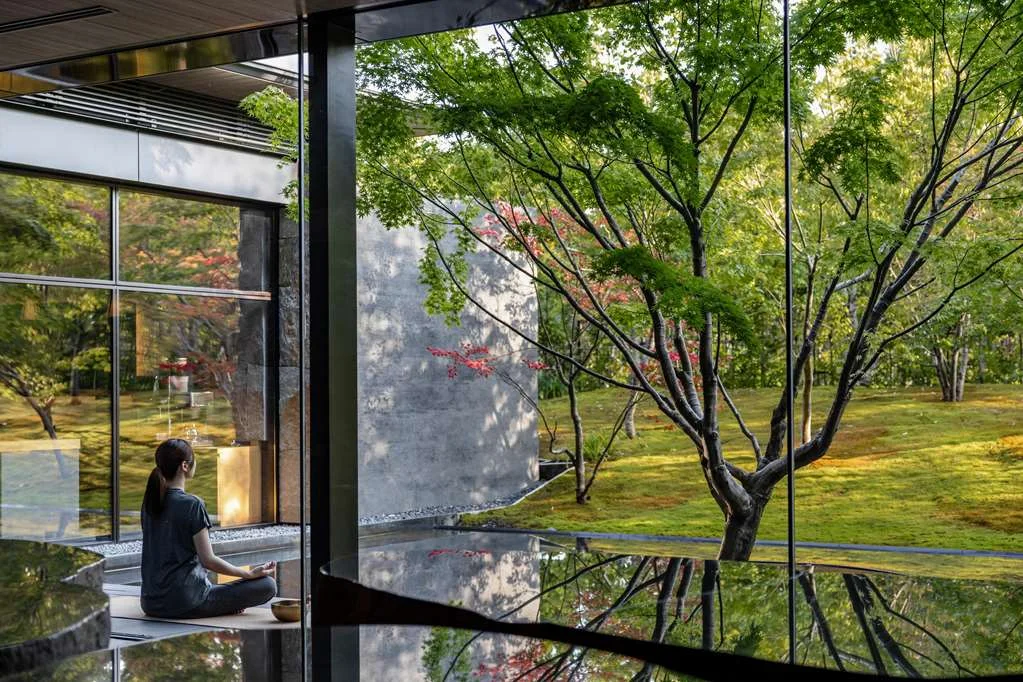
Garrya Nijo Castle Kyoto
When you book Garrya Nijo Castle Kyoto in Japan through our Accor Preferred partnership, your stay includes daily breakfast for two and a $100 USD hotel credit. You also receive a room upgrade, early check-in and late check-out when available. No premium credit card or membership needed: request a quote and our advisor books it at the same rate as booking direct.
Exclusive Booking Perks
These perks are included with your stay at the same rate as booking direct with the hotel.
- Daily complimentary breakfast for 2, per room
- VIP Welcome
- $100 USD credit to be spent on property (conditions defined at check-in)
- Early check-in & late check-out (upon availability)
- Upgrade at time of check-in (upon availability)
Guest feedback
Based on 80 guest reviews
By category
Guests liked
- Excellent service
- Great location
Location
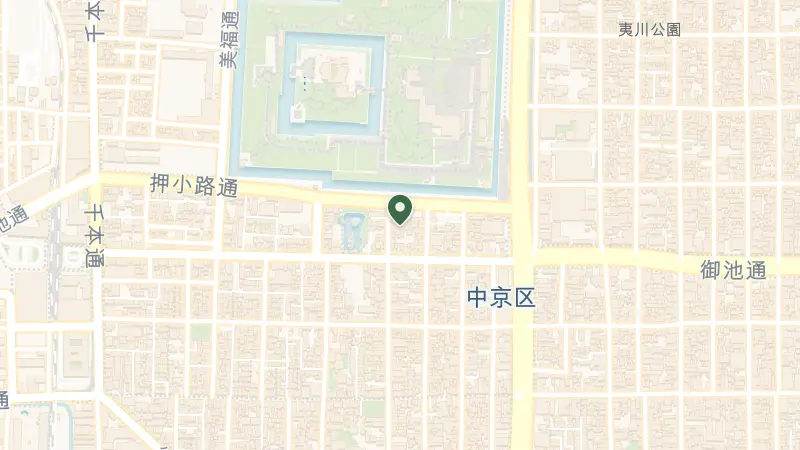
The property sits in Nakagyo Ward, the historic heart of Kyoto where the gridded streets still follow the feng shui principles laid down when Emperor Kanmu moved the imperial court here in 794. The neighbourhood unfolds in a rhythm of machiya townhouses, temple gates glimpsed down side streets, and the muted clatter of bicycle bells on stone. Nijo Castle stands nearby, its moats and fortifications a reminder of the shogunate era when political power shifted from emperors to military rulers.
Walk east and you reach the Kamo River, where herons pick through the shallows and couples stroll the willow-lined pathways. The narrow lanes hold century-old tofu makers, incense shops selling sandalwood and aloeswood, and tea merchants whose families have blended sencha and gyokuro for generations. This is not the postcard Kyoto of golden pavilions (though those exist, a short ride away), but the lived-in city where craft and ceremony persist in daily gestures.
Osaka Itami International Airport lies 38 kilometres south, connected by limousine bus and rail through the Keihanshin conurbation that links Kyoto, Osaka, and Kobe into a sprawling metropolitan corridor.
Start with Nishiki Market, 1.6 kilometres south through the ward's lattice of streets. Five blocks of roofed arcades hold tsukemono pickle stalls, knife forgers, and vendors grilling unagi over charcoal. Taste nama-yuba (fresh tofu skin) scooped warm from vats, or grab a skewer of tako tamago, baby octopus stuffed with quail egg. The three-Michelin-starred Isshisoden Nakamura, 1.5 kilometres away, traces its lineage to Wakasa Bay fishmongers and now serves kaiseki under sixth-generation stewardship. Gion Sasaki and Mizai, both holding three stars, lie 2.7 and 3.2 kilometres east respectively. Mizai channels Zen austerity, votive lanterns flickering against raw timber, while Sasaki's kitchen pushes seasonal ingredients toward what chef Hiroshi Sasaki calls "the greatest flavours."
The Historic Monuments of Ancient Kyoto, a UNESCO site encompassing seventeen temples, shrines, and castles, begin four kilometres from the property. Book a table at Nakamura weeks in advance. The Otowa Waterfall at Kiyomizu-dera, 3.8 kilometres distant, draws pilgrims who drink from its three streams for longevity, success, or love.
Winter light slants low through temple eaves, the air sharp and still. Temperatures hover near freezing at dawn, climbing to seven or eight degrees by midday. Snow dusts the northern hills but rarely settles in the city basin.
Spring arrives in bursts: plum blossoms in late February, then the cherry sakura frenzy of early April when the entire city seems to pause beneath pink canopies. Temperatures climb from eleven degrees in March to eighteen in April, the best window for visiting before the June rains.
Summer turns oppressive. July and August breach thirty degrees with humid weight that clings to the skin, though mountain temples offer cooler refuge. Autumn redeems the heat: maple leaves ignite in November, the air crisp again, drawing crowds to Arashiyama's bamboo groves and Tofuku-ji's scarlet canopies.
Frequently Asked Questions

Quotes are personally reviewed by Natasha Hardy, founder of The Uncommon Traveller
5.0 rating · 8 Google reviewsThere is no fee or markup. The hotel pays our commission.
Request a Quote 114 Bib Gourmand