Fauchon Hotel Kyoto
When you book Fauchon Hotel Kyoto in Japan through our withIN by SLH partnership, your stay includes daily continental breakfast for two and a hotel credit of $50-$100 USD per stay. You also receive a one-category room upgrade and early check-in when available. No premium credit card or membership needed: request a quote and our advisor books it at the same rate as booking direct.
Exclusive Booking Perks
These perks are included with your stay at the same rate as booking direct with the hotel.
- A credit worth $50-$100 (USD) per room, per stay to be spent only on extras such as F&B or Spa, only on property and during the stay
- Daily Continental breakfast for two people
- Room upgrade to next room category, subject to availability at the time of check-in
- Early check-in, subject to availability at the time of check-in
- Late check-out, subject to availability
Guest feedback
Based on 83 guest reviews
Read what guests commentedBy category
Guests liked
- Exceptional service
- Great location
- Spotless rooms
Location
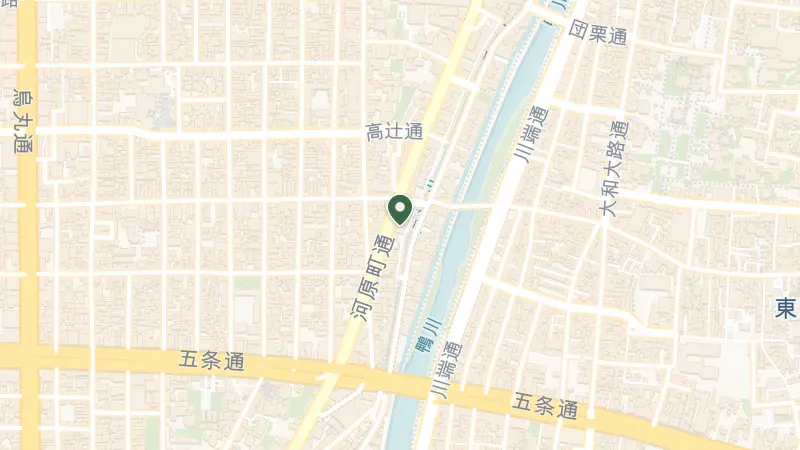
Fauchon Hotel Kyoto translates a Parisian heritage of artisanal confectionery and café culture into a contemporary Japanese setting, where French savoir-faire meets Kyoto's refined aesthetic sensibility. The property occupies Shimogyo Ward, steps from the dense commercial energy of Shijo Street and the modernist sprawl of Kyoto Station. This is the working heart of the city: commuters hurry beneath electronic hoardings, the underground Porta arcade hums with shoppers, and the sharp angles of Kyoto Tower puncture a skyline otherwise kept purposefully low.
Kyoto was born in 794 as Heian-kyo, a capital modelled on the Tang dynasty's Chang'an, its grid still legible beneath the contemporary fabric. For more than a millennium emperors ruled here until the Meiji court decamped to Tokyo in 1869. The political centre may have shifted, but the cultural anchor held. Beyond the ward's glass and steel, temples that survived the Onin War and the Kinmon Incident stand under ancient ginkgo trees.
Kansai International Airport lies eighty kilometres to the southwest, accessible by direct rail in an hour and a quarter. Osaka Itami International Airport, at thirty-eight kilometres, offers closer connections for domestic and short-haul arrivals, putting you within reach of the Kamo River's quiet banks by early afternoon.
The property's dining leans into its French heritage, a welcome counterpoint in a city dense with kaiseki tradition. Nearby, Kyoto's Michelin landscape unfolds with exceptional depth: Gion Sasaki, holder of three stars, sits just 672 metres away, where chef Hiroshi Sasaki and his team pursue flavour with meticulous discipline. Isshisoden Nakamura, another three-star kappo, lies 1.3 kilometres north, its sixth-generation head Motokazu Nakamura carrying forward a lineage that began with travelling fishmongers from Wakasa Bay. Book a table at Kikunoi Honten, 1.4 kilometres east, where Yoshihiro Murata interprets ryotei culture with occasional Western flourishes and an eye toward innovation.
The Historic Monuments of Ancient Kyoto, inscribed as a UNESCO World Heritage Site in 1994, begin just two kilometres from the hotel. Kiyomizu-dera temple, with its famed wooden stage cantilevered over the hillside, rewards the climb with views across the city's tiled roofs; the Otowa Waterfall spills below, believed to bestow health and longevity. Nishiki Market, Kyoto's culinary artery, runs through the centre, its narrow arcade filled with pickle vendors, tofu makers, and stalls selling tsukemono and yuba. The atmosphere shifts with the seasons: plum blossoms in early spring, maple fire in November, the soft weight of summer humidity pressing into temple courtyards.
Winter settles sharp and dry between December and February, morning frost glazing temple gardens while daytime temperatures hover near eight degrees. The city empties of tour groups; snow dusts the mountains ringing the basin but rarely lingers in the streets.
Spring arrives with force in late March. Cherry blossoms crest in early April, drawing enormous crowds; the city becomes a scrum of selfie sticks and picnic mats beneath Yoshino trees. Temperatures climb into the high teens, humidity still manageable. May warms further before June's rainy season sweeps in, wrapping the basin in a muggy haze through early July. Summer peaks above thirty degrees, thick and relentless. Typhoons occasionally lash the region in September.
Autumn redeems. October cools to twenty-one degrees, the air crisps, and by mid-November the maples ignite across temple courtyards. This is Kyoto's second high season, less frenetic than spring but no less striking. December chills again, and the cycle resets.
Frequently Asked Questions

Quotes are personally reviewed by Natasha Hardy, founder of The Uncommon Traveller
5.0 rating · 8 Google reviewsThere is no fee or markup. The hotel pays our commission.
Request a Quote 114 Bib Gourmand