SOWAKA
When you book SOWAKA in Kyoto, Japan, through our withIN by SLH partnership, your stay includes daily continental breakfast for two and a hotel credit of $50-$100 USD per stay. You also receive a one-category room upgrade and early check-in when available. No premium credit card or membership needed: request a quote and our advisor books it at the same rate as booking direct.
Exclusive Booking Perks
These perks are included with your stay at the same rate as booking direct with the hotel.
- A credit worth $50-$100 (USD) per room, per stay to be spent only on extras such as F&B or Spa, only on property and during the stay
- Daily Continental breakfast for two people
- Room upgrade to next room category, subject to availability at the time of check-in
- Early check-in, subject to availability at the time of check-in
- Late check-out, subject to availability
Guest feedback
9.6/10 from 412 guest reviews
Read what guests commentedBy category
Guests liked
- Exceptional service
- Beautiful location
- High-quality food
Points to consider
- No significant complaints
- Minor mention of a need for maintenance in one review
Location
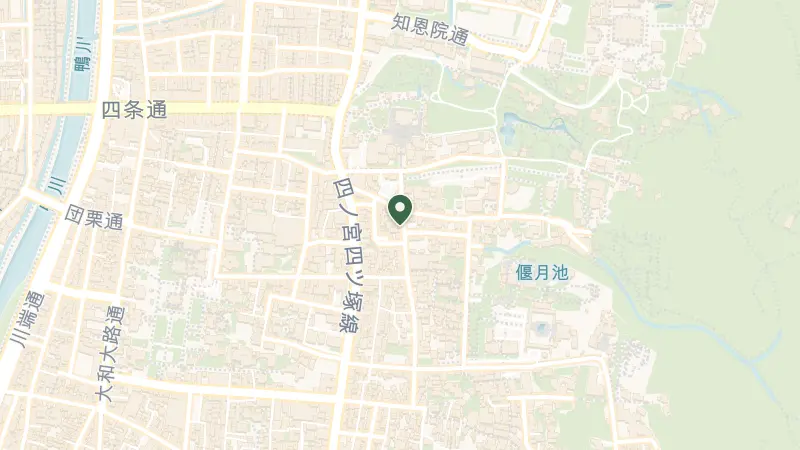
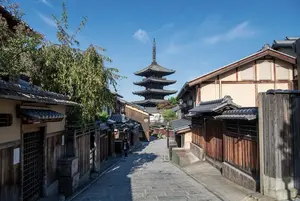
SOWAKA stands in Higashiyama Ward, where the eastern hills fold into Kyoto's temple districts and the rhythm of the city slows to the pace of ritual. This is the Kyoto of pilgrimage routes and teahouse lanes, where wooden machiya townhouses still line cobbled streets and the scent of incense drifts from temple gates. The Kamo River runs west through the city, a spine of water that has shaped Kyoto's layout since Emperor Kanmu laid out Heian-kyō in 794 according to Chinese geomancy. The property sits minutes from Kiyomizu-dera, the celebrated hillside temple whose wooden stage juts over forested slopes, and the atmospheric lanes of Ninenzaka and Sannenzaka, where preserved Edo-period buildings house ceramics studios and kaiseki restaurants.
Higashiyama was the imperial capital's spiritual heart for over a millennium, until the Meiji court relocated to Tokyo in 1869. The ward retains that contemplative character. Morning here means monks in saffron robes walking between temples, the tap of wooden sandals on stone, the soft sweep of bamboo brooms clearing paths. Narrow streets climb into wooded hillsides laced with quiet shrines and moss-covered statuary.
Osaka Itami International Airport lies 39 kilometres northwest, connected by airport limousine buses that navigate Kyoto's grid in under ninety minutes. Kansai International Airport, 80 kilometres south, offers direct rail links via the JR Haruka express.
Three Michelin three-starred restaurants operate within a five-minute walk. Kikunoi Honten, 328 metres away, pairs ryotei elegance with occasional Western flourishes, while Mizai (378 metres) channels Zen austerity in both setting and cuisine. Book a table at Gion Sasaki, 449 metres south, where the chef and his team compete to layer the most precise seasonal flavours into each course. The city holds 193 Michelin-starred establishments, many clustered in this eastern quarter where kaiseki tradition runs deepest. Expect dashi-simmered vegetables at the peak of ripeness, raw tai from the Seto Inland Sea, yuba skin formed that morning.
Kiyomizu-dera, a UNESCO World Heritage component two kilometres uphill, draws pilgrims to its wooden stage cantilevered over the valley. The Otowa Waterfall beneath the main hall offers three streams (longevity, academic success, romantic fortune), each requiring a choice. Nishiki Market, 1.3 kilometres west, threads through five covered blocks where vendors sell tsukemono pickles, fresh tofu, and knives forged in Sakai. Sengetsu-sen waterfall, 3.3 kilometres into the Higashiyama foothills, marks the start of hiking trails that wind through cryptomeria forest to smaller temples known only to locals.
Winter means crystalline mornings and temple gardens dusted with frost, temperatures hovering just above freezing in January and February. The light is low and silvery, ideal for photographing bare branches against tiled roofs. Crowds thin.
Spring arrives with plum blossoms in March, then the famous cherry bloom in early April, when the city swells with visitors. Temperatures rise to the high teens, and rain showers are frequent. By May, fresh green foliage softens the hillsides and wisteria drapes temple gates.
Summer is humid and hot, peaking above 30 degrees in July and August, the air thick with cicada song. Autumn reclaims the calendar in late October, when maples ignite across Higashiyama's slopes and temperatures settle into comfortable mid-teens. November is peak colour, drawing crowds but justifying them.
Frequently Asked Questions

Quotes are personally reviewed by Natasha Hardy, founder of The Uncommon Traveller
5.0 rating · 8 Google reviewsThere is no fee or markup. The hotel pays our commission.
Request a Quote 114 Bib Gourmand