Takanawa Hanakohro - in Grand Prince Hotel Takanawa
When you book Takanawa Hanakohro - in Grand Prince Hotel Takanawa in Tokyo, Japan, through our withIN by SLH partnership, your stay includes daily continental breakfast for two and a hotel credit of $50-$100 USD per stay. You also receive a one-category room upgrade and early check-in when available. No premium credit card or membership needed: request a quote and our advisor books it at the same rate as booking direct.
Exclusive Booking Perks
These perks are included with your stay at the same rate as booking direct with the hotel.
- A credit worth $50-$100 (USD) per room, per stay to be spent only on extras such as F&B or Spa, only on property and during the stay
- Daily Continental breakfast for two people
- Room upgrade to next room category, subject to availability at the time of check-in
- Early check-in, subject to availability at the time of check-in
- Late check-out, subject to availability
Location
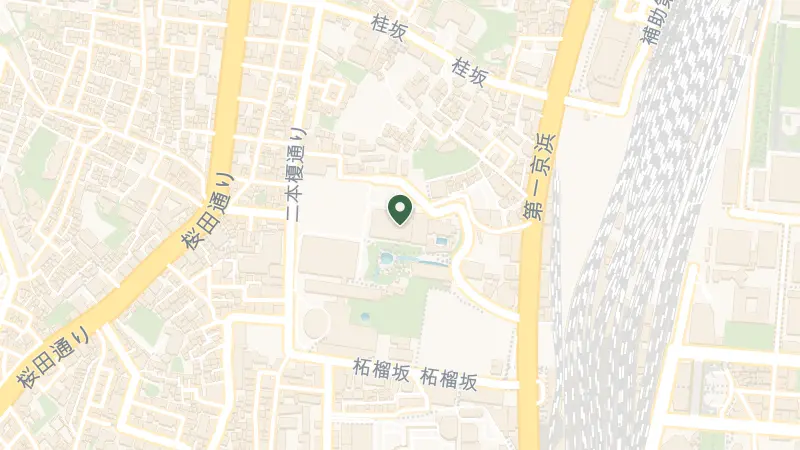
Takanawa Hanakohro operates within the Grand Prince Hotel Takanawa, part of a storied enclave in the Takanawa district where Edo-period daimyo estates once sprawled across landscaped grounds. The property anchors a neighbourhood that balances the hum of modern Tokyo with quieter, tree-lined pockets, a short walk from the transit hub of Shinagawa Station. Here, the city's relentless energy softens into a rhythm shaped by old gardens, temple bells, and the occasional rustle of wind through ancient ginkgo trees.
The Takanawa area carries traces of its aristocratic past. Nearby Sengakuji Temple shelters the graves of the 47 ronin, samurai whose story of loyalty reverberates through Japanese culture. To the north, the neon sprawl of Shinagawa contrasts with the green calm of Happo-en, a traditional garden where koi glide beneath stone lanterns and a 500-year-old pine stands sentinel. The streets here fill with the scent of grilling yakitori at dusk and the low murmur of izakaya patrons.
Haneda International Airport lies ten kilometres south, a twenty-minute drive through elevated expressways and industrial waterfront. Narita sits sixty kilometres northeast, accessible by express train in just over an hour. The property's position near Shinagawa Station places you within easy reach of Tokyo's sprawling rail network.
Three-star French dining defines the nearby culinary landscape. Quintessence, less than a kilometre away, builds its reputation on chef Shuzo Kishida's pursuit of essential flavours through ingredients, flame, and seasoning. Joël Robuchon and Sazenka, both holding three Michelin stars, sit two kilometres north: the former a temple to classical French technique, the latter embodying Tomoya Kawada's philosophy of tea-Zen-Chinese cooking, where nature and humanity meet on the plate. Book ahead for all three, as reservations fill weeks in advance.
Cultural exploration begins at Sengakuji Temple, a short walk from the property, where the ronin graves draw visitors seeking a quieter side of Tokyo's historical narrative. Aoyama Farmers Market, four kilometres northwest, gathers organic producers and artisan food makers each weekend. Odaiba Beach stretches along Tokyo Bay four kilometres southeast, offering waterfront views and a curious juxtaposition of urban development and manufactured shoreline. Start with the neighbourhood's intimate izakaya before venturing into the city's broader dining scene.
Winter reveals Tokyo's crispest light, the air sharp and dry under cloudless skies. January and February rarely dip far below freezing, but the chill cuts through thin layers. Streets empty briefly after New Year, then refill with salarymen in dark coats and the glow of vending machines.
Spring arrives with cherry blossoms in late March, crowds descending on Ueno and Shinjuku Gyoen for hanami picnics beneath petals. Temperatures climb from twelve degrees in March to the low twenties by May, the air humid but not yet oppressive. This is peak season for a reason.
Summer sits heavy and wet, July and August hovering near thirty degrees with sticky, relentless humidity. Typhoons bring September downpours, but autumn redeems itself by October, when the heat breaks and maple leaves ignite in temples and hillsides. November offers the year's gentlest weather, ideal for walking without the spring throngs.
Frequently Asked Questions

Quotes are personally reviewed by Natasha Hardy, founder of The Uncommon Traveller
5.0 rating · 8 Google reviewsThere is no fee or markup. The hotel pays our commission.
Request a Quote 111 Bib Gourmand