BELLUSTAR TOKYO, A Pan Pacific Hotel
When you book BELLUSTAR TOKYO, A Pan Pacific Hotel in Japan, through our Pan Pacific Reserve partnership, your stay includes daily breakfast for up to two guests and a hotel credit from US$100 once per stay. You also receive a one-category room upgrade, early check-in and late check-out when available. No premium credit card or membership needed: request a quote and our advisor books it at the same rate as booking direct.
Exclusive Booking Perks
These perks are included with your stay at the same rate as booking direct with the hotel.
- Complimentary one-category upgrade upon arrival, subject to availability
- Complimentary daily breakfast for up to two guests per room.
- Priority early arrival subject to availability, and late guaranteed departure at 4pm.
- Welcome amenity
- Experience hotel credit value from US$100, once per stay. Additional amenities may vary per property.
Guest feedback
Based on 312 guest reviews
Read what guests commentedBy category
Guests liked
- Amazing service
- Incredible breakfast
- Luxurious rooms
Points to consider
- Odd surrounding area
Location
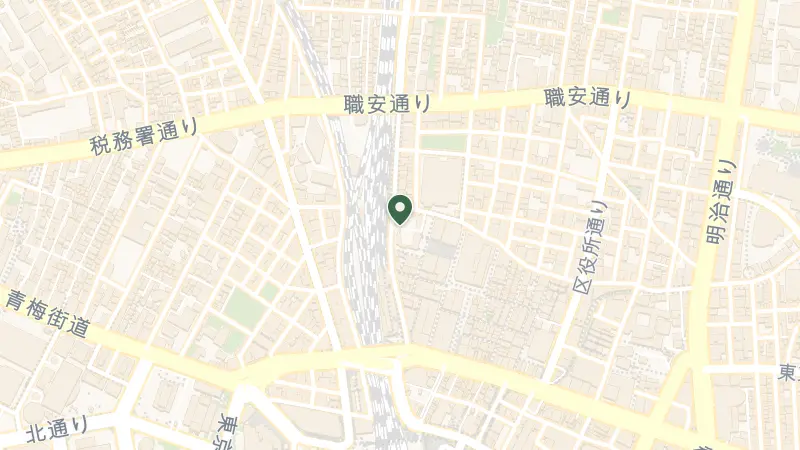
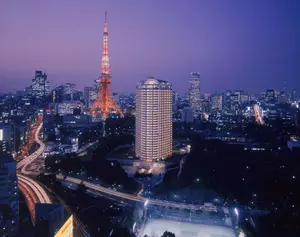
The property sits in Kabukichō, a district long known for its electric energy and neon-lit density. This is Shinjuku at its most kinetic: pachinko parlours hum beneath high-rises, izakaya spill steam and laughter onto narrow lanes, and the neighbourhood pulses with a relentless, unapologetic vitality that feels quintessentially Tokyo. By day, the streets reveal a different rhythm, quieter but no less layered, with ramen counters and coffee bars drawing locals and visitors alike.
Tokyo's 14 million residents inhabit a city that reinvents itself constantly while honouring deep tradition. Edo-era shrines sit blocks from glass towers. The Imperial Palace, a calm green heart amid concrete and steel, lies in Chiyoda, while Shibuya's scramble crossing defines the visual lexicon of urban Japan. The city's west edge meets forested hills; its east dissolves into Tokyo Bay. Shinjuku itself serves as the metropolis's administrative centre, a convergence of rail lines, government offices, and commercial hubs where business suits and streetwear blend seamlessly.
Haneda Airport lies 18 kilometres south, connected by rail and road in under 30 minutes. Narita, 63 kilometres northeast, serves international long-haul routes with direct express trains. The city's veins are its rail network, a clockwork system that runs with precision few places rival.
Three-Michelin-starred dining surrounds the property. Kagurazaka Ishikawa, 3.6 kilometres west, embodies mui-shizen, chef Hideki Ishikawa's commitment to nature-led simplicity, each ingredient presented with light seasoning and restraint. Four kilometres south, Shinobu Namae's L'Effervescence interprets Japanese gastronomy and culture through French technique, rooted in ichiza-konryu, the philosophy of connection among chef, guest, and producer. Myojaku, 4.7 kilometres away, serves Hidetoshi Nakamura's minimal, water-focused cuisine using submarine spring water to reveal the subtle character of mountain and sea ingredients. Book months ahead for any of these.
The Aoyama Farmers Market, held weekends 3.8 kilometres south, offers seasonal produce, artisan preserves, and baked goods from regional growers. Ameya-Yokochō, a bustling open-air market nearly seven kilometres east near Ueno, sells everything from dried seafood to discount clothing under the elevated tracks, its vendors shouting over the clatter of passing trains. Shiraito and Nezame waterfalls, both 4.6 kilometres from the property, provide unexpected pockets of greenery and cascading water within the urban sprawl. Start with yakitori and highballs at a standing bar in Omoide Yokocho, a warren of tiny grills tucked behind Shinjuku Station.
January and February bring sharp, dry cold, the city bathed in brittle sunlight and clear skies that make Mount Fuji visible on the western horizon. Plum blossoms emerge in late February, signalling the slow thaw. By April, cherry blossoms blanket parks and riverbanks, and temperatures climb into the mid-teens, drawing crowds to hanami picnics beneath pink canopies.
Summer swells with humidity. July and August hover near 30°C, the air thick and close, relieved only by sudden afternoon downpours. September remains warm but sees the heaviest rainfall of the year, the city slick and reflective under grey skies.
Autumn is Tokyo's finest season. October and November cool to the teens, ginkgo trees turning gold along wide avenues, the air crisp and forgiving. December chills again, the streets hung with illuminations, and the city settles into its winter quiet.
Frequently Asked Questions

Quotes are personally reviewed by Natasha Hardy, founder of The Uncommon Traveller
5.0 rating · 8 Google reviewsThere is no fee or markup. The hotel pays our commission.
Request a Quote 111 Bib Gourmand