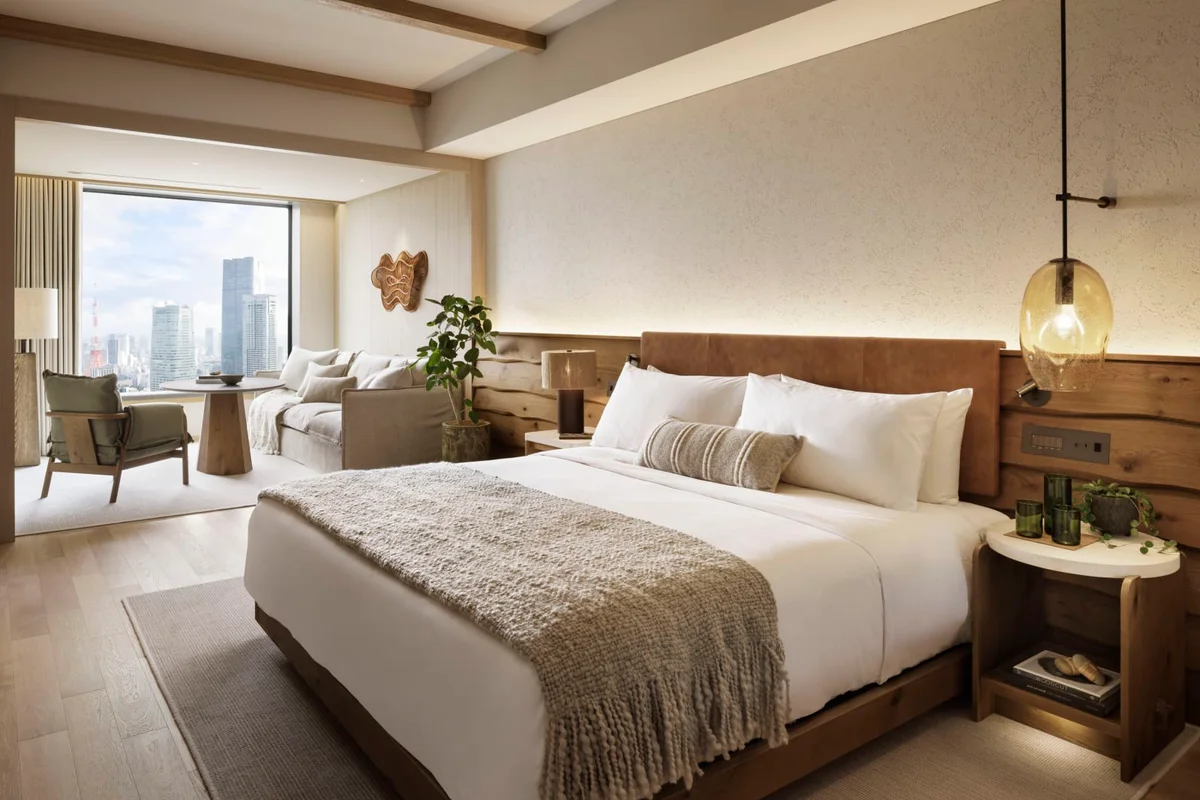
1 Hotel Tokyo
When you book 1 Hotel Tokyo in Japan through our Enhanced Rates partnership, your stay includes daily breakfast for two, a $100 hotel credit per stay and a welcome amenity. You also receive a one-category room upgrade and early check-in when available. No premium credit card or membership needed: request a quote and our advisor books it at the same rate as booking direct.
Exclusive Booking Perks
These perks are included with your stay at the same rate as booking direct with the hotel.
- Complimentary daily breakfast for two guests
- $100 hotel credit per room, per stay
- Early check-in at 12:00 PM (subject to availability)
- Late check-out at 4:00 PM (subject to availability)
- Upgrade to the next room category (subject to availability)
- Welcome amenity in-room upon arrival
Location
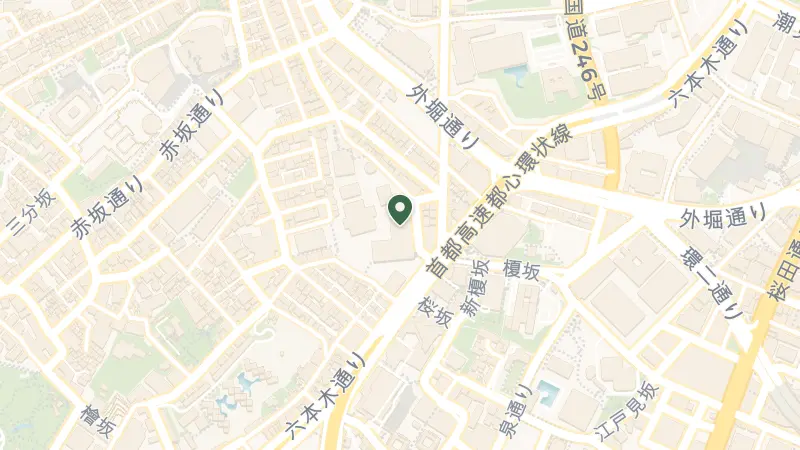
The property occupies the Akasaka district, where government ministries, corporate headquarters, and diplomatic compounds create a professional atmosphere softened by tree-lined avenues and intimate dining streets. This is Tokyo's political nerve centre, where the Imperial Palace gardens lie just north and the neon glow of Roppongi begins a short walk south. The neighbourhood hums with a quiet authority during business hours, then transforms after dark into a warren of yakitori smoke and izakaya lanterns.
Tokyo itself defies singular definition. The world's most populous metropolitan area sprawls across the head of Tokyo Bay, a constellation of distinct wards each with its own character. Shinjuku's skyscraper canyons and Shibuya's pedestrian floods feel worlds apart from the Imperial Palace moats in Chiyoda or the traditional machiya townhouses surviving in quieter pockets. This is a city that rebuilt itself entirely after 1868, then again after 1945, layering modernity over history with unsentimental efficiency.
Haneda Airport lies fourteen kilometres south across the bay, connected by monorail and express trains that deliver arrivals into the city's impossibly punctual rail network. Narita, sixty kilometres northeast, serves as the international gateway for long-haul connections.
Within walking distance, Kanda holds three Michelin stars for Hiroyuki Kanda's minimal-intervention cooking, where Tokushima indigo dyes the noren curtain and Awa beef appears alongside fish from Naruto. The counter seats reflect the chef's Tokushima roots through sake selection and ingredient sourcing. Book weeks ahead. Less than two kilometres away, Azabu Kadowaki seats just six at a counter designed around tea ceremony spacing, while Harutaka brings three-starred sushi discipline learned at Sukiyabashi Jiro to every piece of nigiri.
The Tsukiji Outer Market survives three kilometres southeast, where wholesalers and knife merchants occupy the old market perimeter even after the main auction moved to Toyosu. Stalls sell dried bonito, hand-ground wasabi, and tamagoyaki thick as pound cake. The Imperial Palace East Gardens open their Edo-period stone walls and former castle grounds to the public most days. Start with the morning tuna auctions at Toyosu if you rise early enough, then return to Akasaka's backstreet robatayaki for Hokkaido scallops grilled over binchotan charcoal.
Winter brings crystalline light and temperatures that hover near freezing at night, climbing only to eight or nine degrees by midday. The air stays dry, the skies reliably clear. Cherry blossoms erupt in late March and early April as temperatures climb past seventeen degrees, turning riverbanks and temple grounds into temporary pink canopies before the petals fall.
June ushers in tsuyu, the rainy season, when humidity thickens and umbrellas become constant companions. July and August push past twenty-eight degrees with oppressive moisture, though this is festival season and the city's energy peaks despite the heat.
September begins the gradual cooling, with typhoons occasionally sweeping through but clearing to reveal perfect blue October skies. November's fifteen-degree days and nine-degree nights bring koyo, the autumn leaf season, painting temple gardens in persimmon and gold. Visit in spring or autumn when temperatures settle into the comfortable twenties and the city feels most itself.
Frequently Asked Questions

Quotes are personally reviewed by Natasha Hardy, founder of The Uncommon Traveller
5.0 rating · 8 Google reviewsThere is no fee or markup. The hotel pays our commission.
Request a Quote 111 Bib Gourmand