Ascott Marunouchi Tokyo
When you book Ascott Marunouchi Tokyo in Japan through our Tablet Plus partnership, your stay includes daily breakfast for up to two guests and a welcome treat. You also receive a one-category room upgrade and late check-out when available. No premium credit card or membership needed: request a quote and our advisor books it at the same rate as booking direct.
Exclusive Booking Perks
These perks are included with your stay at the same rate as booking direct with the hotel.
- Upgrade to next room category, based upon availability at check-in
- Guaranteed 2pm late check-out
- Welcome treat in room on arrival
- Complimentary daily breakfast (max 2 guests)
Guest feedback
Based on 409 guest reviews
By category
Guests liked
- Convenient location
- Friendly staff
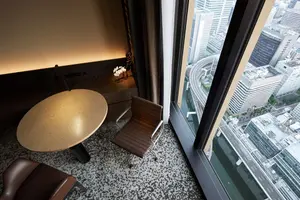
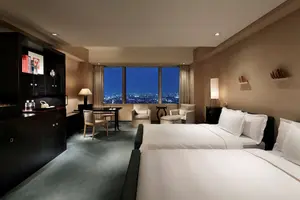
- Spacious rooms
Points to consider
- Limited food options
- Maintenance issues raised
Location
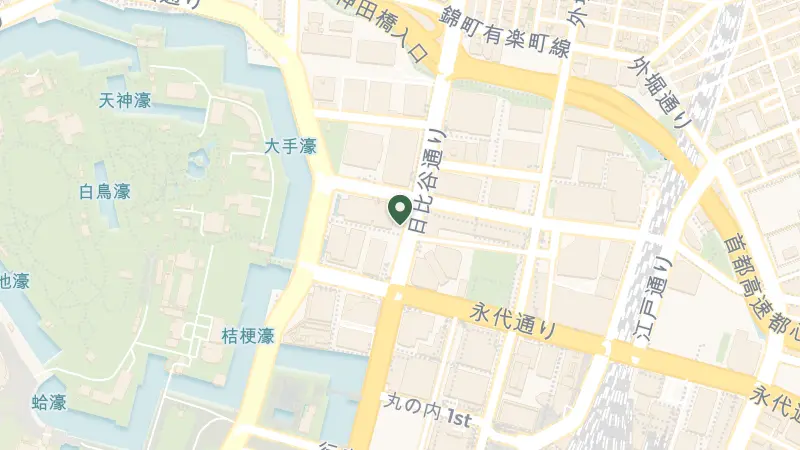
Tokyo Station and its Marunouchi district hum with a particular energy: the disciplined rush of salarymen in dark suits, the geometric precision of office towers giving way to the Imperial Palace's ancient stone walls, the scent of grilled unagi drifting from century-old shops wedged between glass facades. This is the city's ceremonial heart, where the Emperor's residence sits behind moats and pine groves, and where the red-brick Tokyo Station building, meticulously restored to its 1914 glory, anchors a neighbourhood that balances corporate gravity with pockets of intimate tradition.
The special wards unfold from here in all directions: Ginza's department stores and Michelin constellations lie a short walk south, while Chiyoda's government buildings and the National Diet occupy the grounds to the west. The Imperial Palace East Gardens offer a rare expanse of stillness in the urban grid, their gravel paths and historic fortifications open to the public most days.
Tokyo Haneda International Airport sits fifteen kilometres south, connected by frequent airport limousine buses and the efficient Tokyo Monorail to central rail hubs. Narita International, farther at fifty-seven kilometres northeast, serves most international carriers with express train links taking roughly an hour.
Within walking distance, the concentration of culinary ambition is staggering. RyuGin, one and a half kilometres away, holds three Michelin stars for Seiji Yamamoto's scientific yet soulful approach to Japanese tradition, his charcoal grill work and knife technique honed to an almost meditative precision. L'OSIER in Ginza, named for the willow trees that once lined these streets, presents French contemporary cuisine beneath a glass willow sculpture at its entrance. Harutaka, also three-starred, showcases sushi shaped by a chef trained at Sukiyabashi Jiro, each piece a study in restraint. Book well ahead for any of these; reservations open months in advance and disappear quickly.
The Imperial Palace East Gardens provide immediate respite from Marunouchi's corporate rhythm, their entrance less than a kilometre north. Wander the remnants of Edo Castle's fortifications, massive stone foundations that once anchored the shogunate's power. Ginza's pedestrian-only Chuo-dori, closed to traffic on weekend afternoons, transforms into an open-air promenade of window shopping and people-watching. Start with a morning visit to Tsukiji Outer Market, four kilometres southeast, where vendors still hawk impeccably fresh seafood and tamagoyaki remains a breakfast ritual.
Winter brings crystalline cold and astonishingly clear skies, temperatures hovering just above freezing in January and February. The low sun illuminates bare branches in the Imperial Gardens, and the air stays dry enough that snow rarely disrupts the train schedules. Spring transforms the city almost overnight: cherry blossoms erupt in late March and early April, petals drifting across Chidorigafuchi Moat and office workers claiming spots under the trees for hanami picnics.
Summer arrives with humid intensity by June, the rainy season draping the city in a grey haze before July's heat settles in. The air grows thick, cicadas drone from every park, and evening offers the only comfortable hours for wandering. Autumn redeems the calendar: September's typhoons give way to October's temperate perfection, the ginkgo trees along Icho Namiki Avenue turning a blinding gold by late November.
Best to visit in spring or autumn, when the weather rewards long walks and the seasonal shifts feel like the city showing its hand.
Frequently Asked Questions

Quotes are personally reviewed by Natasha Hardy, founder of The Uncommon Traveller
5.0 rating · 8 Google reviewsThere is no fee or markup. The hotel pays our commission.
Request a Quote 111 Bib Gourmand