The Shinmonzen
When you book The Shinmonzen in Kyoto, Japan, through our Tablet Plus partnership, your stay includes a one-category room upgrade when available. No premium credit card or membership needed: request a quote and our advisor books it at the same rate as booking direct.
Exclusive Booking Perks
These perks are included with your stay at the same rate as booking direct with the hotel.
- Upgrade to next room category, based upon availability at check-in
- Complimentary bottle of wine in room on arrival
- Welcome fruit plate in room on arrival
- JPY 15,000 nightly dining credit, valid at Jean Georges at The Shinmonzen
Location
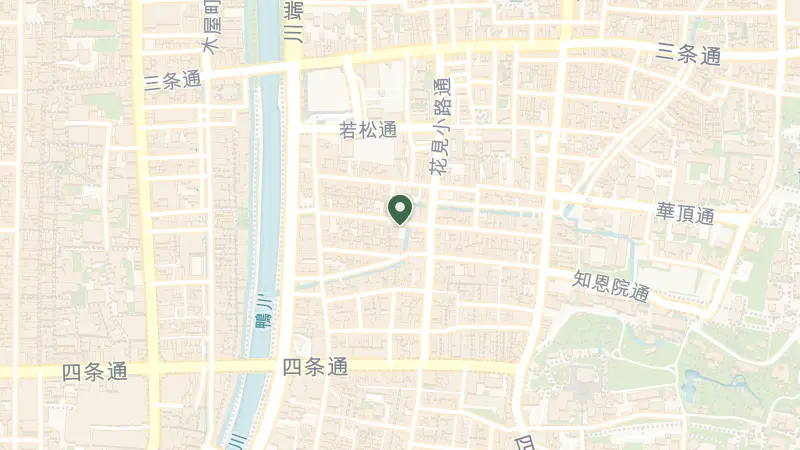
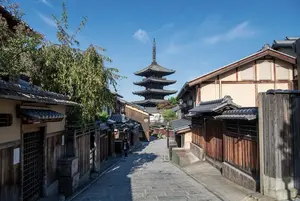
The Shinmonzen occupies a quiet street in Higashiyama, the eastern ward where Kyoto's imperial legacy meets the forested slopes of the Higashiyama mountains. This is the Kyoto of lantern-lit machiya townhouses and narrow cobbled lanes, where geiko still slip through evening shadows and the scent of incense drifts from temple doorways. The neighbourhood curves around the base of the hills that sheltered emperors for eleven centuries, beginning in 794 when Emperor Kanmu modelled his new capital on the Chinese cities of Chang'an and Luoyang.
Gion, Kyoto's famed geisha district, unfolds just steps away. The Kamo River traces the western edge of the ward, its stone embankments lined with cherry trees. Kiyomizu-dera's wooden stage and vermillion pagodas rise above the treeline to the south. Nishiki Market, the city's five-block culinary corridor, lies less than a kilometre west.
Osaka Itami International Airport sits 39 kilometres away, connected by airport limousine bus or train via Osaka to Kyoto Station, then taxi to Higashiyama.
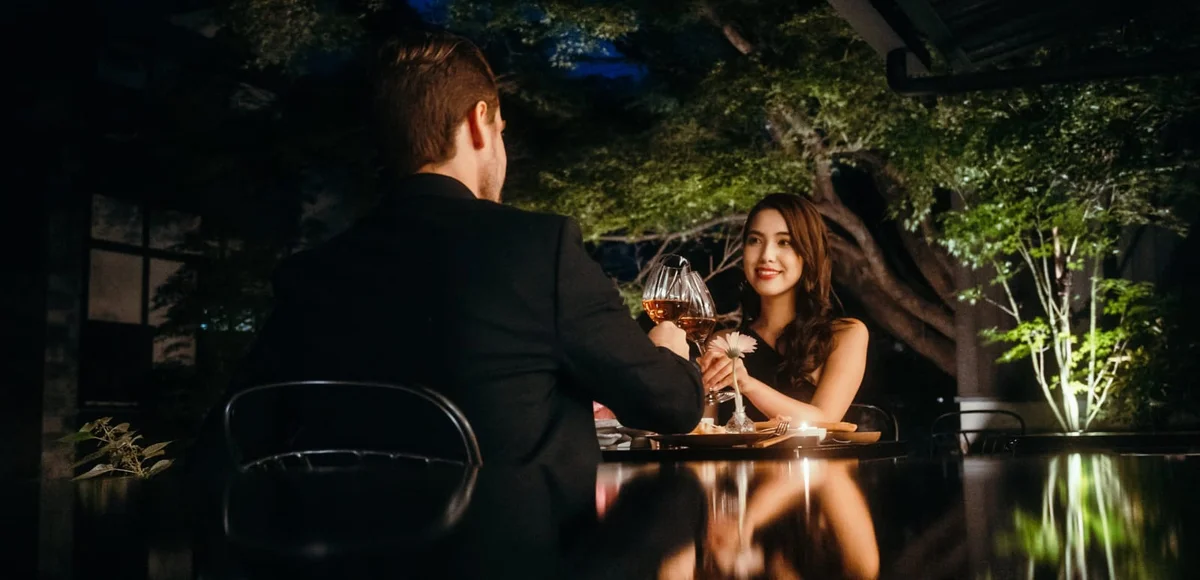
Jean-Georges at The Shinmonzen brings New York's borderless French cuisine to the property, the work of chef Jean-Georges Vongerichten, whose years in Asia shaped a menu that dissolves the boundaries between continents. Within walking distance, Mizai (three Michelin stars, 795 metres east) offers kaiseki in a space styled after a mountain hermitage, votive lanterns flickering against bare timber. Chef Hitoshi Ishihara studied Zen alongside his culinary training, and the stillness of the dining room reflects that discipline. Gion Sasaki (three stars, 825 metres southeast) runs on a different engine: Hiroshi Sasaki and his apprentices compete daily to refine each dish, a teacher-and-student pursuit of perfection.
Nishiki Market, less than a kilometre west, spans five blocks of covered arcades selling tsukemono, dried yuzu, Kyoto vegetables, and knives forged in Sakai. Book a table at Mizai if you can secure a reservation months ahead. The Historic Monuments of Ancient Kyoto, a UNESCO World Heritage designation three kilometres from the property, encompasses seventeen temples and shrines, including Kiyomizu-dera with its wooden stage cantilevered over the valley. Otowa Waterfall lies just beyond, 1.6 kilometres into the hills, where visitors drink from three streams said to grant longevity, success, or love.
Winter brings sharp cold and occasional snow, the city's temples and gardens rendered in charcoal tones under low grey skies. Temperatures hover just above freezing at dawn. Spring arrives in late March with the cherry blossom front, transforming the Kamo River embankments and Maruyama Park into tunnels of pale pink. April sees the warmest light and fullest crowds.
Summer turns heavy and humid, the city baking under subtropical heat from June through August, though evening brings cool air down from the mountains. Autumn is Kyoto's peak season, when maples ignite across temple grounds in November and temperatures settle into comfortable mid-teens.
Visit in spring for the blossoms or November for the autumn colours, both short windows when the city's beauty reaches its apex.
Frequently Asked Questions

Quotes are personally reviewed by Natasha Hardy, founder of The Uncommon Traveller
5.0 rating · 8 Google reviewsThere is no fee or markup. The hotel pays our commission.
Request a Quote 114 Bib Gourmand