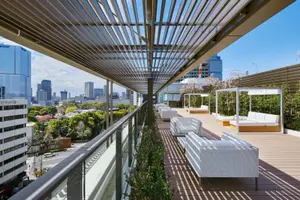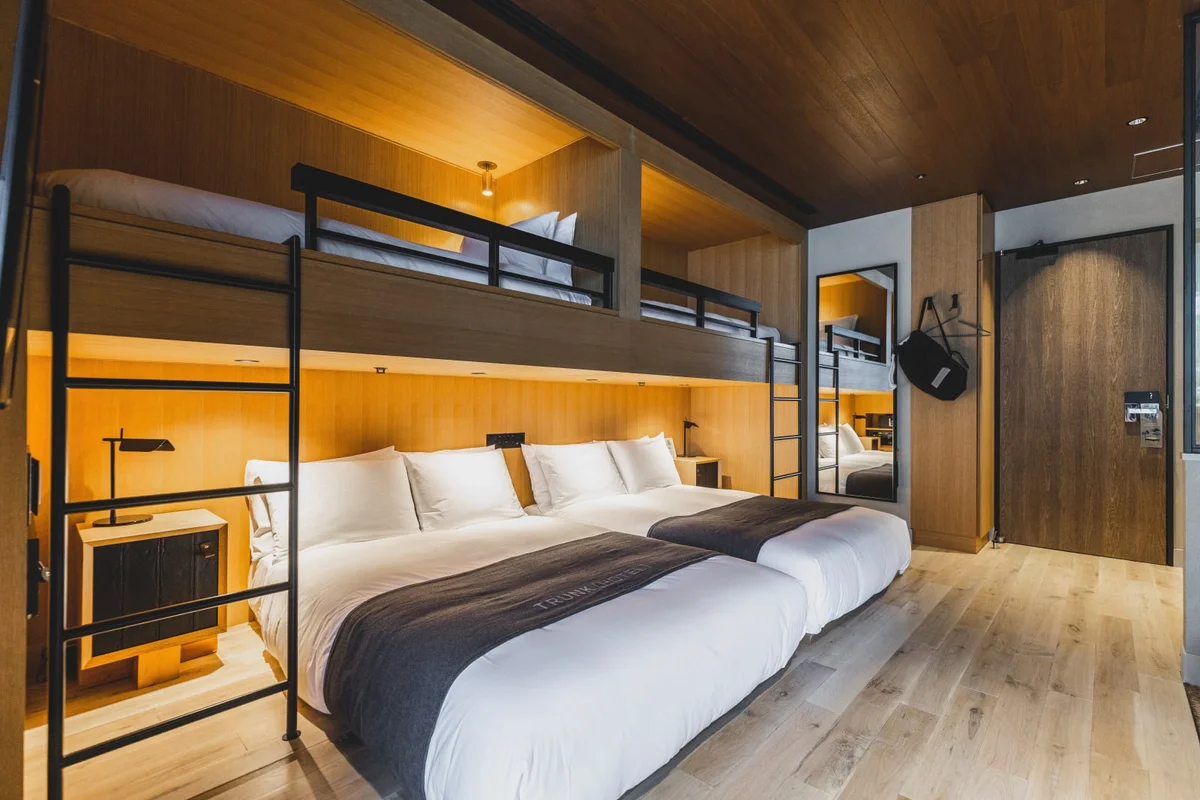
TRUNK (HOTEL) CAT STREET
When you book TRUNK (HOTEL) CAT STREET in Tokyo, Japan, through our Tablet Plus partnership, your stay includes daily breakfast for up to two guests. You also receive a one-category room upgrade when available. No premium credit card or membership needed: request a quote and our advisor books it at the same rate as booking direct.
Exclusive Booking Perks
These perks are included with your stay at the same rate as booking direct with the hotel.
- Upgrade to next room category, based upon availability at check-in
- Complimentary welcome drink per guest, per stay
- Complimentary daily breakfast (max 2 guests)
- 20% food and beverage discount
Location
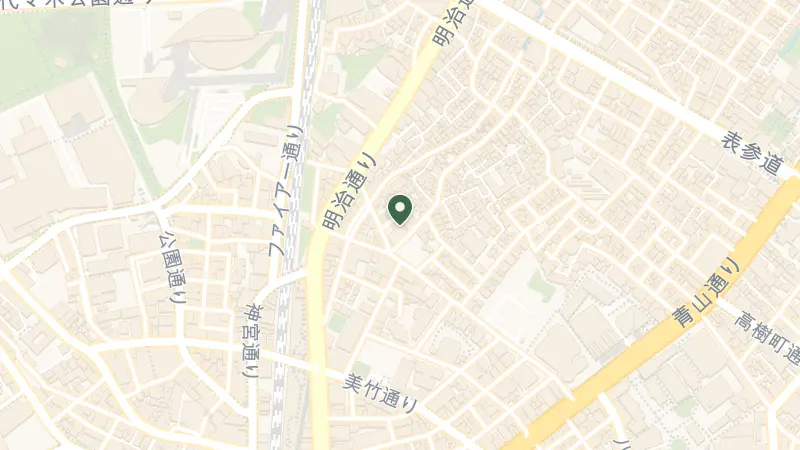
TRUNK (HOTEL) CAT STREET sits in Jingumae, a neighbourhood where Harajuku's youth energy meets Omotesando's polished sophistication. This is where vintage denim hunters browse American Rag Cie before slipping into the tree-lined quiet of backstreets named for the old Cat Street footpath, a narrow lane that once threaded between rice paddies. The air here shifts block by block: incense from a tucked-away shrine, then espresso and baking bread, then the faint chemical sweetness of a streetwear drop.
Meiji Shrine's forested grounds lie minutes north, a sudden hush of gravel paths and towering camphor trees. South and east, the neon crush of Shibuya Crossing and the orderly boulevards of Aoyama unfold. This is Tokyo at its most walkable, a district scaled for discovery rather than transit.
Haneda Airport lies fifteen kilometres south, reachable in under thirty minutes by limousine bus or the Keikyu and Tokyo Metro lines.
Start your mornings at the Aoyama Farmers Market, half a kilometre from the property, where Tokyo's chefs browse seasonal vegetables and artisan preserves beneath white tents. The city's Michelin constellation extends in every direction: L'Effervescence, 1.5 kilometres away, holds three stars for Shinobu Namae's interpretation of Japanese ingredients through French technique, embodying the ichiza-konryu philosophy that dining is built on connections. Myojaku, 2.1 kilometres distant, earns its three stars through Hidetoshi Nakamura's radical minimalism, seasoning only with water and sea salt to reveal each ingredient's essential character. Book a table at Joël Robuchon, 2.7 kilometres south, the jewel in the late chef's global crown, for pristine French gastronomy in a space that honours his legacy.
The Tokyo Photographic Art Museum, established in 1990, anchors the city's contemporary art conversation, while the Meguro Museum of Art offers rotating exhibitions in a building designed for natural light. Tsukiji Outer Market, six kilometres east, remains a vital morning pilgrimage: taste tamago-yaki from century-old stalls, watch tuna being butchered with swords, and navigate narrow lanes thick with steam and shouts.
Winter light in Tokyo arrives low and crystalline, temperatures hovering near eight degrees by day, dipping just above freezing at night. The city feels taut and tidy, the air dry, shrine grounds raked clean. Spring softens everything: cherry petals drift across Yoyogi Park in early April, temperatures climb into the mid-teens, and a persistent drizzle in June signals the approach of tsuyu, the rainy season.
Summer is dense and humid, the mercury pushing past twenty-eight degrees, sudden downpours clearing the air for an hour before the heat returns. September rains taper by October, when crisp mornings and golden ginkgo leaves make this the city's most comfortable season.
Late autumn through early spring offers the clearest skies and the best walking weather, though shoulder seasons deliver the bloom and leaf-turn drama Tokyo does so well.
Frequently Asked Questions

Quotes are personally reviewed by Natasha Hardy, founder of The Uncommon Traveller
5.0 rating · 8 Google reviewsThere is no fee or markup. The hotel pays our commission.
Request a Quote 111 Bib Gourmand