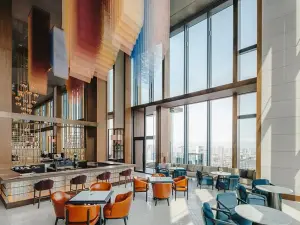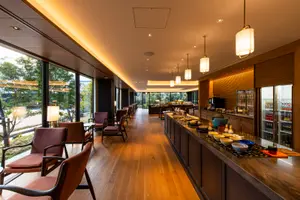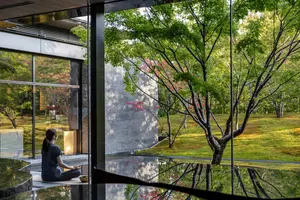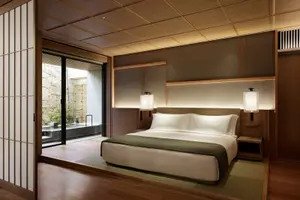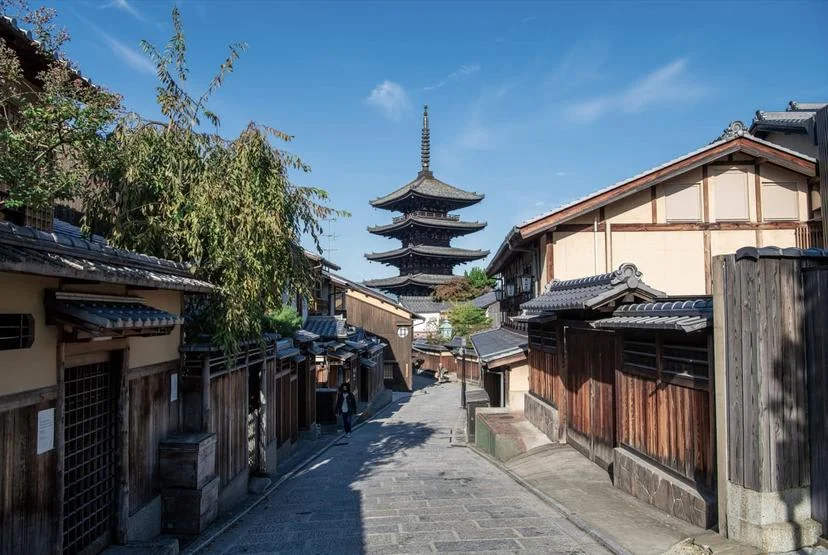
Banyan Tree Higashiyama Kyoto
When you book Banyan Tree Higashiyama Kyoto in Japan through our Accor Hera partnership, your stay includes daily breakfast for two and a $100 USD hotel credit. You also receive a room upgrade, early check-in and late check-out when available. No premium credit card or membership needed: request a quote and our advisor books it at the same rate as booking direct.
Exclusive Booking Perks
These perks are included with your stay at the same rate as booking direct with the hotel.
- Daily complimentary breakfast for 2, per room
- VIP Welcome
- $100 USD credit to be spent on property (conditions defined at check-in)
- Early check-in & late check-out (upon availability)
- Upgrade at time of check-in (upon availability)
Guest feedback
9.1/10 from 71 guest reviews
By category
Guests liked
- Spotlessly clean
- Attentive staff
- Comfortable rooms
Points to consider
- Limited restaurant options
- Breakfast menu choices were few
Location
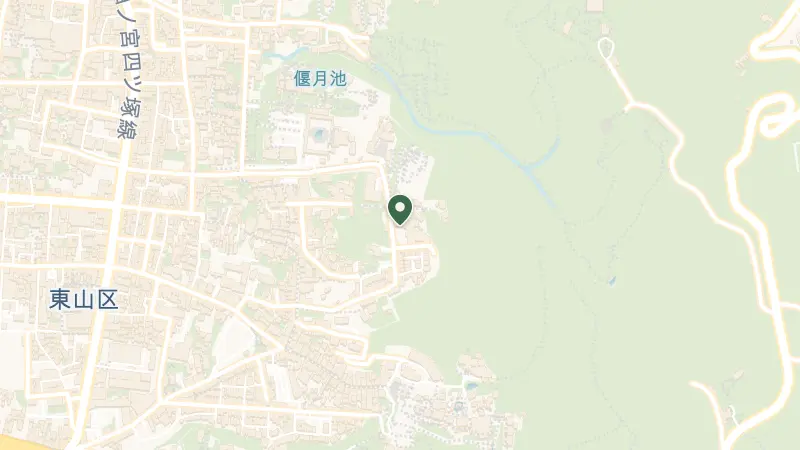
Banyan Tree brings its signature approach to Higashiyama Ward, where private pool villas, Asian spa traditions, and environmental stewardship meet one of Kyoto's most contemplative quarters. The property sits in the eastern hills where centuries-old wooden machiya lean into narrow lanes and the shuffle of sandals on stone paths sets the neighbourhood's tempo. This is the district that held the city's spirit when emperors ruled from Heian-kyō, the capital laid out in 794 according to Chinese feng shui principles and modelled on Chang'an and Luoyang. The imperial court remained here for eleven centuries before relocating to Tokyo after the Meiji Restoration, leaving Kyoto with a density of cultural heritage few cities can match.
Higashiyama Ward translates to "east mountain", and the name describes the experience. Temple roofs rise above bamboo groves, incense drifts from shrine precincts, and the Kamo River traces the western edge of the district. Walk five minutes in any direction and you encounter structures that predate the Renaissance. The ward feels less like a museum district than a living repository, where kaiseki kitchens still follow seasonal rhythms and tea ceremony aesthetics inform daily habits.
Kansai International Airport lies 80 kilometres south, Osaka Itami International 40 kilometres southwest. Most visitors arrive via the limited express trains that connect both airports to Kyoto Station, then transfer to local lines or taxis for the final approach to Higashiyama.
Three Michelin three-star restaurants operate within a kilometre, a concentration that speaks to Kyoto's culinary authority. Kikunoi Honten, 400 metres from the property, is where Yoshihiro Murata advances ryotei culture while occasionally weaving Western ingredients into kaiseki courses. Mizai, half a kilometre away, channels Zen teachings through Hitoshi Ishihara's cooking in a space lit by votive lanterns that evoke mountain stillness. Gion Sasaki, 700 metres distant, stages a collaborative pursuit of flavour between Hiroshi Sasaki and his understudies. Book weeks ahead for any of these; kaiseki at this level is seasonal theatre, and tables fill early.
The ward's Buddhist monuments form part of the Historic Monuments of Ancient Kyoto, a UNESCO World Heritage site inscribed in 1994 that encompasses structures across Kyoto, Uji, and Otsu. Otowa Waterfall, half a kilometre from the property, has drawn pilgrims for centuries. Nishiki Market, 1.8 kilometres west, remains the city's culinary nerve centre: vendors sell tsukemono pickles, yuba tofu skin, and katsuobushi shavings shaved to order. Start early to watch the stall keepers arrange their displays before the crowds arrive.
Winter settles cold and dry over the city. Highs hover around seven to ten degrees Celsius from December through February, and frost whitens temple gardens at dawn. The light turns pale and slanting, casting long shadows across gravel courtyards. This is the season for hot yuzu baths and kaiseki courses built around root vegetables and preserved fish.
Spring and autumn claim the calendar's prime real estate. Cherry blossoms peak in early April, maple leaves ignite in November. Temperatures range from the mid-teens to low twenties, and the city swells with visitors chasing the seasonal displays. The colours justify the crowds, but expect company at every notable viewing spot.
Summer brings heat and weight. July and August push past thirty degrees with humidity that settles like a second skin. Afternoon thunderstorms arrive with little warning, drenching stone paths and leaving the air thick with petrichor. The city slows, and locals retreat indoors during midday hours.
Frequently Asked Questions

Quotes are personally reviewed by Natasha Hardy, founder of The Uncommon Traveller
5.0 rating · 8 Google reviewsThere is no fee or markup. The hotel pays our commission.
Request a Quote 114 Bib Gourmand