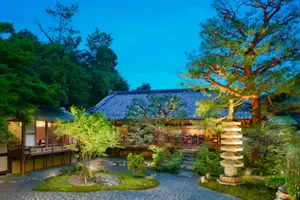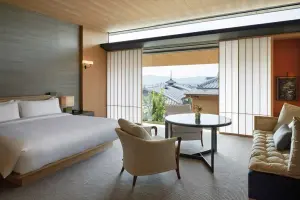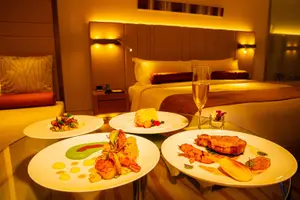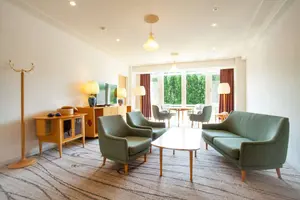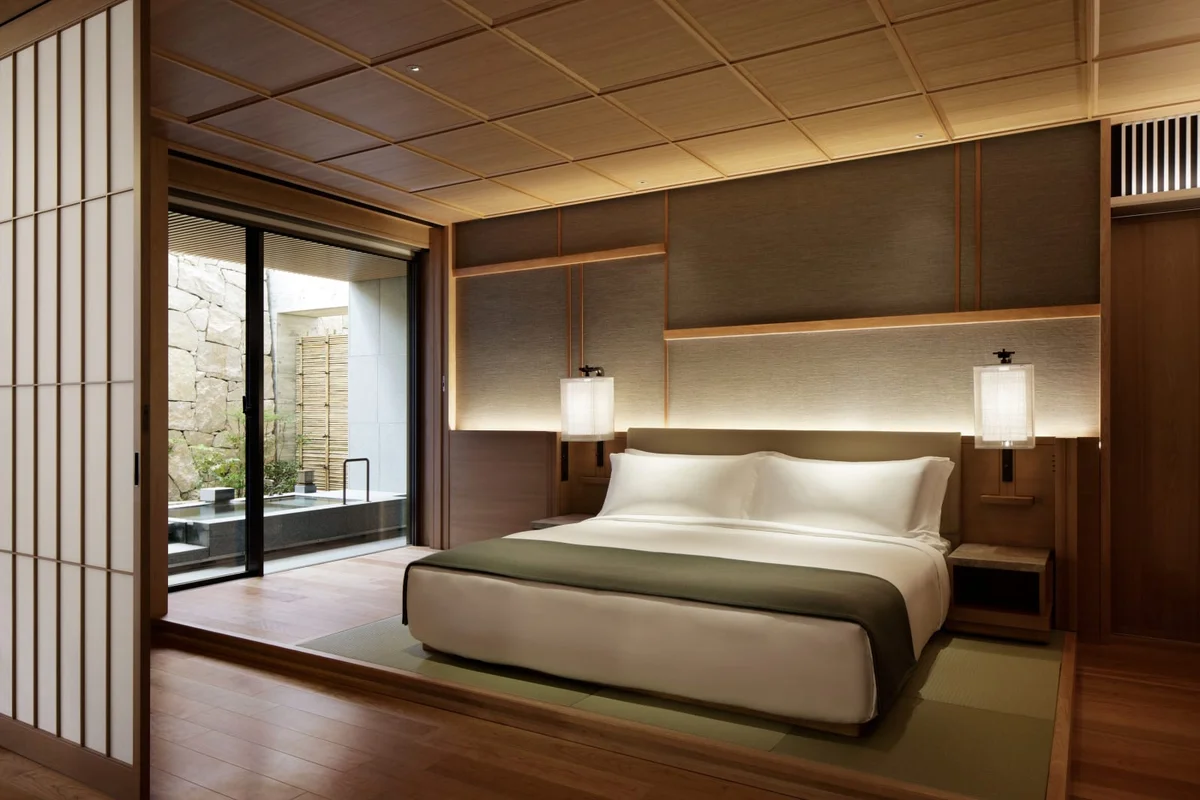
HOTEL THE MITSUI KYOTO, a Luxury Collection Hotel & Spa
When you book HOTEL THE MITSUI KYOTO, a Luxury Collection Hotel & Spa in Japan, through our Marriott STARS partnership, your stay includes daily breakfast for two and a $100 USD hotel credit once per stay. You also receive a room upgrade when available. No premium credit card or membership needed: request a quote and our advisor books it at the same rate as booking direct.
Special Offer
+ Virtuoso + Stay More Save More
Exclusive Booking Perks
These perks are included with your stay at the same rate as booking direct with the hotel.
- Personalized and customized amenity
- Complimentary breakfast daily for two guests per room
- All STARS hotels offer a hotel credit valued at $100 USD (once per stay)
- Early check-in and late check-out (when available)
- Complimentary upgrade (if available at check-in)
Guest feedback
Based on 59 guest reviews
Read what guests commentedBy category
Guests liked
- Beautiful design
- Exemplary service
- Great location
Points to consider
- Limited breakfast options
- Storage space in rooms
Location
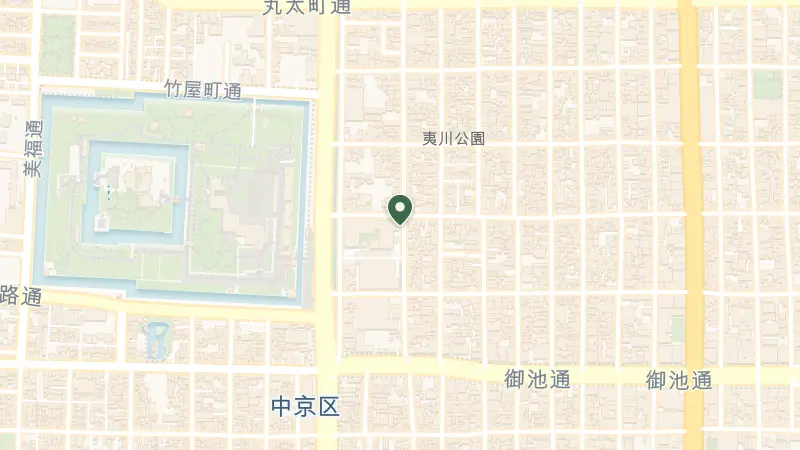
The Luxury Collection brings together independent hotels chosen for their singular sense of place, and this property honours that philosophy in a city where every stone has a story. Kyoto served as Japan's imperial capital for more than a millennium, from 794 until the Meiji Restoration relocated the court to Tokyo. The original city, named Heian-kyō, was laid out according to Chinese feng shui principles, mirroring the ancient capitals of Chang'an and Luoyang. That grid still anchors the modern municipality, and the Nakagyo Ward position places you within walking distance of the Kamo River, whose shallow waters and stepped banks define the rhythm of the city.
The neighbourhood of Daimonjicho sits at the cultural heart of Kyoto, where machiya townhouses line narrow streets and the scent of incense drifts from century-old shops. Temple bells carry across rooftops at dawn. The city's 1.46 million residents move through a landscape where wooden shrines abut glass towers, and the weight of history is neither sanitized nor static.
Osaka Itami International Airport lies 38 kilometres north, connected by express train; Kansai International Airport, 80 kilometres south, serves long-haul arrivals.
TOKI, the on-site restaurant, builds its contemporary menu on the philosophy that fond equals dashi, drawing water from Kyoto's Fushimi district to harmonise French and Japanese traditions. For three-Michelin-star dining, Isshisoden Nakamura, 1.1 kilometres away, continues a sixth-generation lineage that began as a travelling fishmonger carrying fish from Wakasa Bay; Motokazu Nakamura now helms the kitchen his father taught him in. Gion Sasaki, 2.6 kilometres east, seats diners for a teacher-and-student quest where Hiroshi Sasaki and his understudies vie to create the greatest flavours. Book a table weeks ahead for either.
Nishiki Market, 1.4 kilometres south, threads five blocks of covered stalls selling tsukemono pickles, yuba tofu skin, and fresh mackerel sushi. The Historic Monuments of Ancient Kyoto, a UNESCO World Heritage designation encompassing 17 temples and shrines, begins four kilometres from the property; these structures, built on Chinese models, anchored imperial culture from the eighth century onward. Otowa Waterfall at Kiyomizu-dera, 3.6 kilometres southeast, draws pilgrims who drink from three streams said to grant longevity, academic success, or romantic fortune.
Spring arrives with cherry blossoms in late March and early April, when daytime highs reach 18°C and the city's temple gardens swell with visitors. May and June bring humidity and frequent rain; June's 278 millimetres make this the wettest month, though the greenery deepens and hydrangeas bloom along garden paths. July and August turn hot, with temperatures climbing above 30°C and the air thick enough to slow your stride, but evening riverside dining along the Kamo River compensates.
Autumn, particularly October and November, offers the most comfortable conditions: crisp mornings, maples turning scarlet, and daytime highs in the low twenties. Winter is cold and dry, with January lows dipping below freezing; snow dusts the temple roofs occasionally, and the chill keeps crowds thin at popular sites.
Visit in late November for peak autumn colour.
Frequently Asked Questions

Quotes are personally reviewed by Natasha Hardy, founder of The Uncommon Traveller
5.0 rating · 8 Google reviewsThere is no fee or markup. The hotel pays our commission.
Request a Quote 114 Bib Gourmand