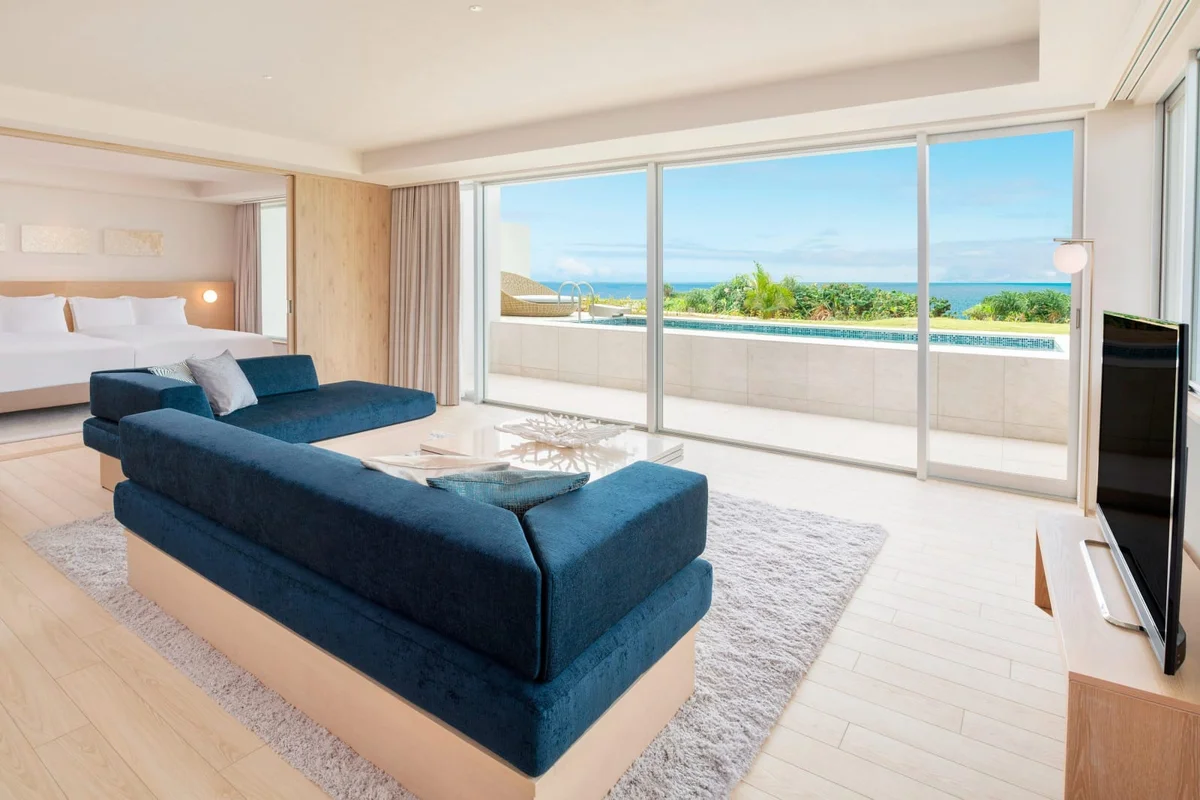
IRAPH SUI
When you book IRAPH SUI in Okinawa, Japan, through our Marriott STARS partnership, your stay includes daily breakfast for two, a $100 USD hotel credit once per stay and a personalized amenity. You also receive a room upgrade, early check-in and late check-out when available. No premium credit card or membership needed: request a quote and our advisor books it at the same rate as booking direct.
Exclusive Booking Perks
These perks are included with your stay at the same rate as booking direct with the hotel.
- Personalized and customized amenity
- Complimentary breakfast daily for two guests per room
- All STARS hotels offer a hotel credit valued at $100 USD (once per stay)
- Early check-in and late check-out (when available)
- Complimentary upgrade (if available at check-in)
Guest feedback
9.2/10 from 52 guest reviews
By category
Guests liked
- Delicious breakfast
- Attentive staff
- Convenient location
Location
Okinawa sits at the edge of Japan's southern frontier, where subtropical warmth replaces the measured seasons of the mainland. This is the Ryukyu archipelago, a chain of coral-fringed islands where turquoise water meets white sand and a distinct cultural identity persists beneath the veneer of modern Japan. The prefecture's history runs separate from Tokyo's narrative: the Ryukyu Kingdom traded with China and Southeast Asia for centuries before annexation, and that legacy lives in the local dialect, cuisine, and slower tempo of island life. Okinawa City, the prefecture's second-largest urban centre, grew around American military presence after World War II, creating a hybrid landscape where Champuru culture (the local term for "mixed") defines everything from food to music.
Miyako Island, part of the Miyako Islands group within the broader Okinawa Prefecture, offers a quieter remove from Naha's urban sprawl. The coral reefs here draw divers to sites like Nakanojima Channel and Toriike, while beaches such as Toguchi stretch nearly deserted in the early morning light. The water is impossibly clear, the sand fine as flour.
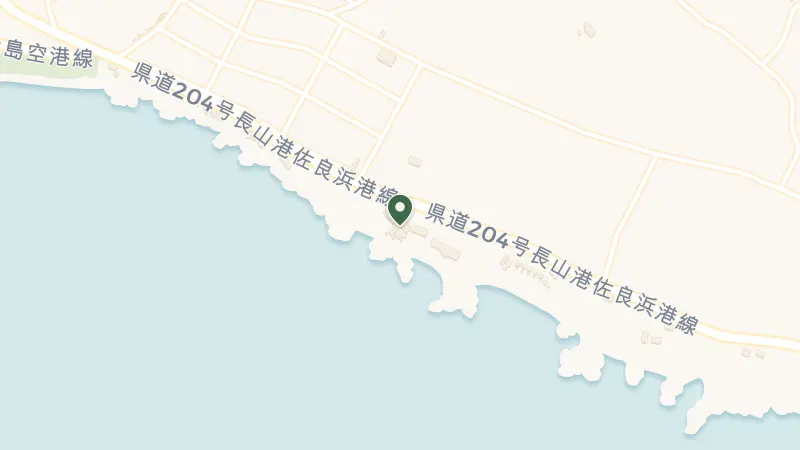
Miyako Airport sits eleven kilometres from the property, with Shimojishima Airport even closer at five kilometres. Both connect to mainland Japan through seasonal and year-round routes, making this remote corner of the archipelago surprisingly accessible.
The underwater topography defines much of what draws travelers to Miyako. Dive sites ring the island: Nakanojima Channel lies less than five kilometres offshore, where currents sweep through the narrow passage between islands and visibility often exceeds thirty metres. Antoniogaudei and Hanadainone offer drop-offs and swim-throughs carved by millennia of wave action. Surface-level pleasures are equally compelling. Toguchi Beach sits less than a kilometre from the property, a gentle crescent where morning swims precede the midday heat. Nakano Island Beach and Sawada Beach both lie within five kilometres, the latter known for its protected cove and absence of crowds.
Start with Miyako soba, the island's take on Okinawan noodles, flatter and chewier than their mainland cousins, typically served in pork broth with sliced kamaboko. Goya champuru (bitter melon stir-fry) and rafute (braised pork belly) anchor menus across the island, though formal Michelin recognition has not yet reached these shores. Sunset Beach, seven kilometres distant, lives up to its name when the sky turns amber over the East China Sea.
Winter brings mild, dry conditions from December through February, with daytime temperatures hovering near seven to nine degrees and clear skies dominating. The ocean cools but remains diveable for those with thicker wetsuits. This is low season, when the island empties and prices drop.
Spring transitions quickly into the subtropical rainy season by May and June, when humidity climbs and afternoon downpours become routine. The landscape turns impossibly green, but beach days require flexibility. Summer stretches from July through September, hot and humid with temperatures near twenty-eight degrees and occasional typhoons tracking north through the Pacific.
Autumn from October through November offers the most reliable weather: warm water, moderate temperatures in the low twenties, and diminishing rainfall. Book for late October when the summer crowds dissipate but the ocean remains swimmable.
Frequently Asked Questions

Quotes are personally reviewed by Natasha Hardy, founder of The Uncommon Traveller
5.0 rating · 8 Google reviewsThere is no fee or markup. The hotel pays our commission.
Request a Quote