The Ritz-Carlton, Kyoto
When you book The Ritz-Carlton, Kyoto in Tokyo, Japan, through our Marriott STARS partnership, your stay includes daily breakfast for two and a $100 USD hotel credit once per stay. You also receive a room upgrade, early check-in and late check-out when available. You continue earning Marriott Bonvoy points and elite night credits. No premium credit card or membership needed: request a quote and our advisor books it at the same rate as booking direct.
Exclusive Booking Perks
These perks are included with your stay at the same rate as booking direct with the hotel.
- Personalized and customized amenity
- Complimentary breakfast daily for two guests per room
- All STARS hotels offer a hotel credit valued at $100 USD (once per stay)
- Early check-in and late check-out (when available)
- Complimentary upgrade (if available at check-in)
Location
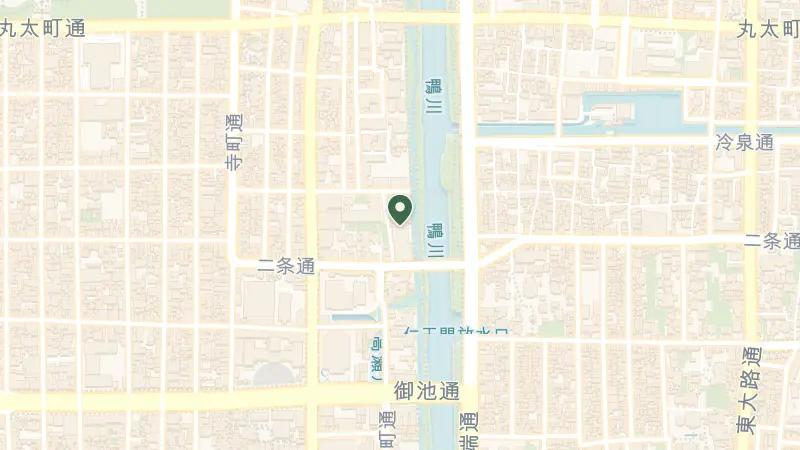
Ritz-Carlton properties apply the brand's signature service philosophy to their specific locale, tracking guest preferences across stays worldwide while embedding themselves in local culture. This Kyoto outpost achieves that balance in Japan's former imperial capital, a city that served as the cultural and political heart of the country for over a millennium. Founded in 794 on the model of Chinese capitals, Kyoto remained the seat of emperors until the mid-19th century, and that legacy permeates every neighbourhood.
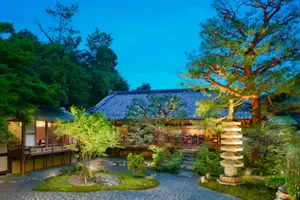
The hotel sits in Nakagyo Ward, the central district where Kyoto's mercantile history mingles with its artistic soul. Step outside and you're immediately in the rhythm of old Kyoto: machiya townhouses with latticed windows, narrow lanes concealing artisan workshops, the occasional glimpse of a geisha's white-painted nape disappearing around a corner. The Kamogawa River flows nearby, its wide gravel banks a gathering place for locals at dusk. Nishiki Market, just over a kilometre away, has provisioned Kyoto kitchens for four centuries with everything from pickled vegetables to ceremonial wagashi sweets.
The property lies within striking distance of the Historic Monuments of Ancient Kyoto, a UNESCO World Heritage designation covering temples, shrines, and gardens that define Japanese aesthetics. Osaka Itami International Airport is 40 kilometres north, accessible by airport limousine bus or private car in under an hour depending on traffic.
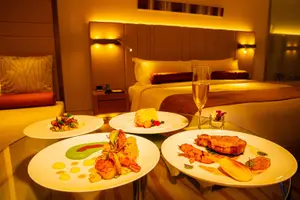
On-site, Tempura Mizuki presents ingredients before frying begins: vegetables sourced from Takagamine and Shūgakuin, seafood from Awaji and Shizuoka, each piece coated in safflower oil for a delicate crunch. The neighbourhood supports some of Japan's most accomplished dining. Isshisoden Nakamura, 700 metres away, holds three Michelin stars under sixth-generation chef Motokazu Nakamura, who learned his craft exclusively from his father; the family began as travelling fishmongers carrying Wakasa Bay catches to scattered markets before evolving into a restaurant of this calibre. Book a table at Hyotei, 1.5 kilometres distant and also three-starred, where wabi-sabi aesthetics govern every element: moss-covered stone lanterns, channels fed by Lake Biwa's clear waters, a shadowed tea arbour that has anchored the property for generations.
Beyond the table, the city's spiritual architecture demands attention. The Historic Monuments of Ancient Kyoto UNESCO site begins four kilometres from the hotel, encompassing temples and gardens built when this was the imperial seat. Nishiki Market, that covered arcade of specialty food stalls, lies just over a kilometre away; vendors sell tsukemono pickles, fresh yuba tofu skin, and katsuobushi shaved to order. For nature within the city, Otowa Waterfall is 2.5 kilometres southeast, a pilgrimage destination for centuries.
Winter brings sharp clarity to Kyoto. Temperatures hover between freezing and 8°C from December through February, and the city's wooden temples look their most austere against bare branches. Light slants low through garden gravel, and hot sake becomes essential.
Spring transforms the calendar. Cherry blossoms arrive in early April when daytime highs reach the mid-teens, drawing crowds to temple grounds and the Philosopher's Path. By May, temperatures climb into the low twenties, and the city shifts from sakura to fresh green.
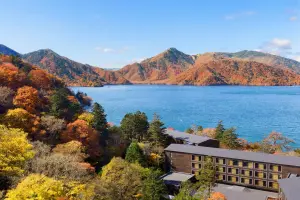
Summer is sweltering and humid. July and August see highs near 30°C with heavy rains, particularly in June and September. The city slows, and locals seek refuge along the Kamogawa's banks at twilight. Autumn, from late October through November, is the prime season: crisp air, fiery maple leaves framing temple eaves, and comfortable temperatures in the high teens make this the ideal window for exploring Kyoto's layered history.
Frequently Asked Questions

Quotes are personally reviewed by Natasha Hardy, founder of The Uncommon Traveller
5.0 rating · 8 Google reviewsThere is no fee or markup. The hotel pays our commission.
Request a Quote 114 Bib Gourmand