The Ritz-Carlton, Nikko
When you book The Ritz-Carlton, Nikko in Tokyo, Japan, through our Marriott STARS partnership, your stay includes daily breakfast for two and a hotel credit of USD 100 once per stay. You also receive a room upgrade when available. You continue earning Marriott Bonvoy points and elite night credits. No premium credit card or membership needed: request a quote and our advisor books it at the same rate as booking direct.
Exclusive Booking Perks
These perks are included with your stay at the same rate as booking direct with the hotel.
- Personalized amenity
- Complimentary breakfast daily for two guests per room
- Hotel credit valued at USD 100 (once per stay)
- Early check-in and late check-out (when available)
- Complimentary upgrade (if available at check-in)
Location
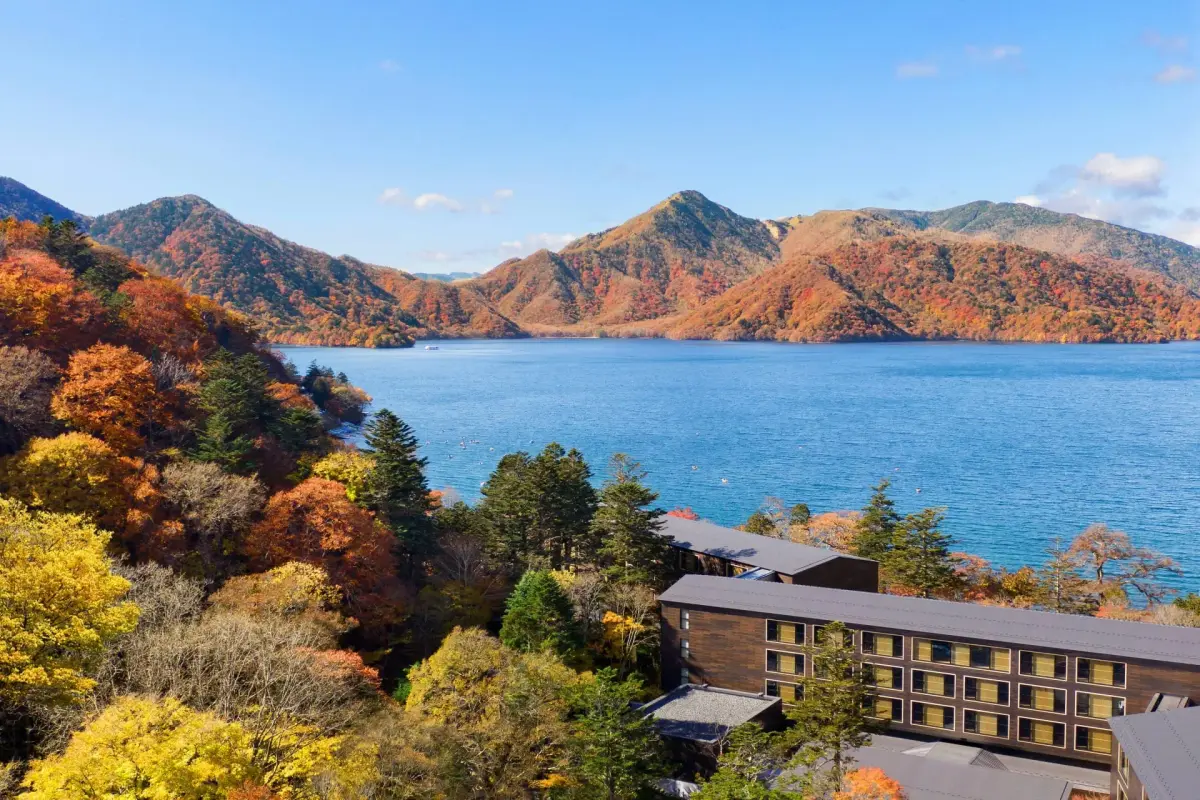
The Ritz-Carlton brings its signature service culture to the mountains of Nikko, a refuge where the formality of high-touch hospitality meets the spiritual gravity of one of Japan's most sacred landscapes. Expect the brand's meticulous guest preference tracking and Club Lounge standards transplanted to an alpine setting far from the brand's urban strongholds.
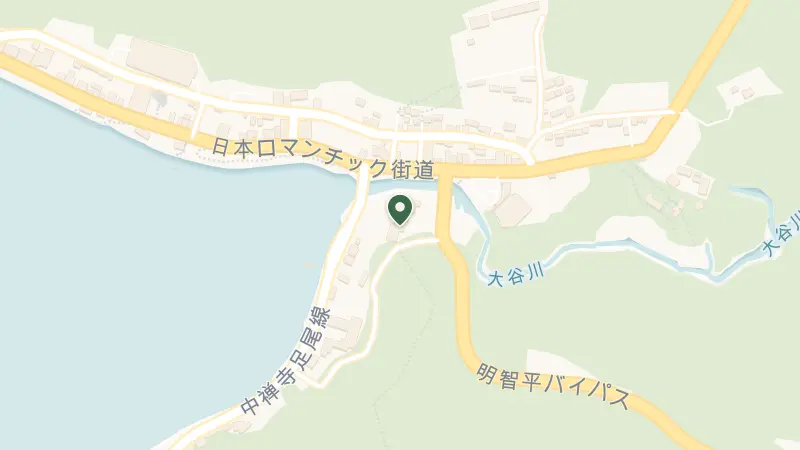
Nikko sits two hours north of Tokyo in Tochigi Prefecture, a temple town cradled by forested peaks and thundering waterfalls. The air smells of cryptomeria cedar and incense. Kegon Falls, a sheer 97-metre ribbon of water, drops just 400 metres from the property. The town exists because of the Shrines and Temples of Nikko, a UNESCO-listed complex inscribed in 1999 for its architectural and decorative mastery. Tōshō-gū, the mausoleum of shogun Tokugawa Ieyasu, dazzles with gold leaf and lacquer, its Yōmeimon Gate considered one of Japan's most elaborate structures. Futarasan Shrine and Rinnō-ji Temple complete the sacred triad, their vermilion halls backed by the evergreen slopes of Nikkō National Park.
The nearest major gateway is Narita International Airport, 134 kilometres southeast. The journey involves train transfers through Tokyo and the limited express to Nikko Station, though the winding approach through mountain passes sets the tone for arrival in a place that trades urban velocity for deliberate calm.
Kegon Falls commands immediate attention. Walk to the observation platform and feel the mist on your face as Lake Chūzenji drains over basalt cliffs into the gorge below. In winter, ice clings to the rockface in jagged curtains. Ryūzu Falls, 4.6 kilometres away, splits around volcanic boulders in a gentler cascade. Urami Falls, 5.6 kilometres distant, allows passage behind the curtain of water along a stone path. Book a morning visit to the Shrines and Temples complex before tour groups arrive. The polychrome carvings at Tōshō-gū depict everything from sleeping cats to the three wise monkeys, each panel a study in Edo-period craftsmanship.
Lake Chūzenji, formed by volcanic eruption 20,000 years ago, stretches dark and cold beneath Mount Nantai. Hiking trails lace the surrounding peaks; autumn paints the slopes in bands of scarlet and amber. In winter, Nikko Yumoto Onsen Ski Park opens 10.6 kilometres north, a modest resort favoured for its milky sulphur hot springs as much as its slopes. The Tomioka Silk Mill, 77 kilometres southwest, offers a detour into Meiji-era industrial history, its brick buildings preserved from the 1870s when Japan first mechanized sericulture.
Winter drapes Nikko in snow from December through February, temperatures hovering just above freezing by day and dipping below at night. The waterfalls freeze into sculptural forms, and the forest silence deepens under white cover.
Spring arrives late at this elevation. April brings tentative warmth, the temple grounds softening with cherry blossoms and fresh green. Summer peaks in August with humidity and afternoon thunderstorms, the forest thick and verdant, trails slick with runoff. September sees the heaviest rain, nearly 200 millimetres soaking the mountains.
Autumn is Nikko's showcase. October delivers brilliant foliage without the oppressive heat, the maples turning the hillsides into layered tapestries of crimson and gold. November cools quickly, the crowds thinning as winter preparations begin.
Frequently Asked Questions

Quotes are personally reviewed by Natasha Hardy, founder of The Uncommon Traveller
5.0 rating · 8 Google reviewsThere is no fee or markup. The hotel pays our commission.
Request a Quote