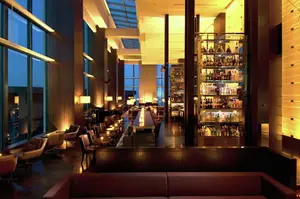
The Ritz-Carlton, Tokyo
When you book The Ritz-Carlton, Tokyo in Japan, through our Virtuoso partnership, your stay includes daily full breakfast for up to two guests and a $100 USD resort or hotel credit. You also receive a room upgrade when available. You continue earning Marriott Bonvoy points and elite night credits. No premium credit card or membership needed: request a quote and our advisor books it at the same rate as booking direct.
Exclusive Booking Perks
These perks are included with your stay at the same rate as booking direct with the hotel.
- Upgrade on arrival, subject to availability
- Daily Full breakfast for up to two guests per bedroom, served in the restaurant
- $100 USD equivalent Resort or Hotel credit to be utilized during stay (not combinable, not valid on room rate, no cash value if not redeemed in full)
- Bookings in our Suites will receive an additional $100 Resort or Hotel credit (for a total of $200 during stay)
- Early Check-In / Late Check-Out, subject to availability
Location
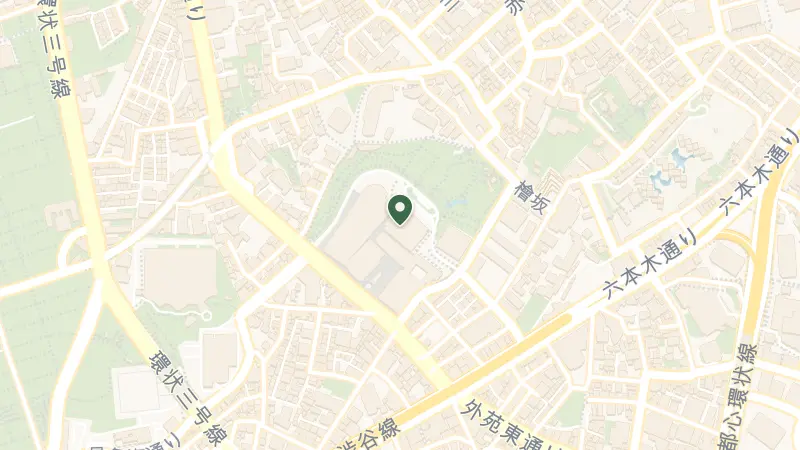
The Ritz-Carlton operates under a "Ladies and Gentlemen serving Ladies and Gentlemen" philosophy, tracking guest preferences across stays to deliver high-touch service at every property. Here, that approach lands in Roppongi, a district that pulses with the contradictions of Tokyo itself: corporate headquarters and izakayas, art museums and host clubs, expatriate hangouts and centuries-old shrines tucked between glass towers. The neighbourhood hums with multilingual conversations spilling from late-night restaurants, the clatter of heels on wet pavement after rain, the faint drift of incense from Azabu Hikawa Shrine a few streets away.
To the east, the Imperial Palace gardens anchor the city's ceremonial heart in Chiyoda. Southwest, Shibuya's scramble crossing plays out its choreographed chaos. The property sits four kilometres from Tokyo Station, the architectural centerpiece of Marunouchi's business district.
Haneda Airport lies fourteen kilometres south, reachable by monorail and subway in under forty minutes. Narita, the international gateway sixty kilometres northeast, requires an hour by express train but deposits arrivals into a city where neon kanji glows against concrete canyons and vending machines hum on every corner.
On-site, Héritage by Kei Kobayashi delivers French technique with the precision chef Kobayashi calls a mission: honouring and passing on France's culinary culture through dishes that marry Parisian classicism with Japanese discipline. Beyond the property, Roppongi's constellation of Michelin three-stars rewards serious eaters. Myojaku, less than a kilometre away, centres Hidetoshi Nakamura's cooking on water, drawing submarine spring water from deep ocean floors to extract each ingredient's subtlest trace. At Azabu Kadowaki, 1.2 kilometres distant, Toshiya Kadowaki seats just six at a counter that embodies the tea ceremony's spatial philosophy. Book weeks ahead.
The Tsukiji Outer Market, 3.6 kilometres east, remains the city's best morning theatre: knife vendors sharpening blades, grilled tamago stands, dried bonito shavings tumbling from hand-planed blocks. Aoyama Farmers Market, 2.1 kilometres west, gathers weekend crowds around heirloom vegetables and natural wine. Mount Fuji, the UNESCO-listed stratovolcano that has anchored Japanese art for centuries, rises ninety-seven kilometres southwest. On clear winter mornings, its snow-capped silhouette floats above the cityscape.
Winter, December through February, brings sharp mornings that hover near freezing and afternoons climbing to eight or nine degrees. The air dries out, skies clear to crystalline blue, and Mount Fuji appears on the horizon with startling clarity. Spring arrives in March with plum blossoms, then cherry blossoms in early April, when the entire city floods parks for hanami picnics under pink canopies. Temperatures climb into the mid-teens, rain increases.
Summer turns thick and humid by June, with the rainy season draping the city in grey until mid-July. August peaks near thirty degrees, the air heavy, cicadas shrieking from every tree. September cools slightly but remains wet.
Autumn, October and November, is Tokyo's finest season: crisp air, moderate temperatures in the teens and low twenties, ginkgo leaves turning gold along boulevards, and a return of that winter clarity. Visit in late October or November for ideal conditions.
Frequently Asked Questions

Quotes are personally reviewed by Natasha Hardy, founder of The Uncommon Traveller
5.0 rating · 8 Google reviewsThere is no fee or markup. The hotel pays our commission.
Request a Quote 111 Bib Gourmand