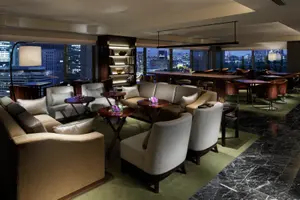
Hotel Toranomon Hills - The Unbound Collection by Hyatt
When you book Hotel Toranomon Hills - The Unbound Collection by Hyatt in Tokyo, Japan, through our Hyatt Privé partnership, your stay includes daily full breakfast for up to two guests and a property credit. You also receive a priority room upgrade when available. No premium credit card or membership needed: request a quote and our advisor books it at the same rate as booking direct.
Exclusive Booking Perks
These perks are included with your stay at the same rate as booking direct with the hotel.
- Welcome amenity provided to guests upon arrival.
- Daily complimentary full breakfast at a hotel restaurant for up to two guests.
- Property credit (value varies by property).
- Priority for room upgrade (response within 24 hours of booking, subject to forecasted occupancy).
- Early check-in/late check-out/connecting rooms (response within 24 hours of request, subject to forecasted occupancy).
Guest feedback
9.3/10 from 327 guest reviews
Read what guests commentedBy category
Guests liked
- Beautifully designed
- Attentive staff
- Great location
Points to consider
- Noise from construction
- Limited room service menu
- Minibar not fully stocked
Location
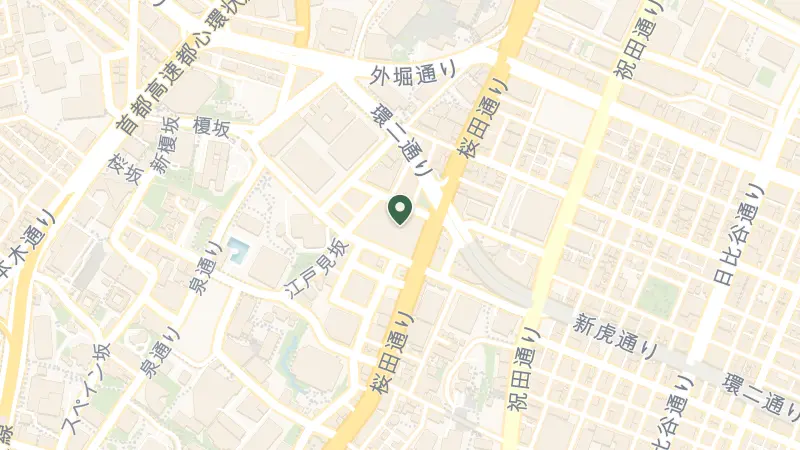
Hyatt's presence spans multiple tiers and geographies, and this property sits within the Unbound Collection, a portfolio that gathers independent-spirited hotels with distinct local character. The hotel rises in Toranomon, a district that has transformed from quiet bureaucratic backwater into one of Tokyo's most forward-looking quarters. Office towers and transit hubs cluster around Toranomon Hills, a mixed-use development that reshaped the skyline when it opened.
The neighbourhood straddles old and new: walk five minutes and you'll reach Atago Shrine, its stone steps climbing through cedar shade to a hilltop torii. Fifteen minutes west, the moats and pine-shaded ramparts of the Tokyo Imperial Palace mark the city's historic core. Shimbashi Station and its tangle of izakaya alleys lie to the southeast, while the Ginza shopping district glitters a short walk beyond.
The property's elevation offers long sight lines across the metropolis, a city that sprawls from Tokyo Bay inland across the Kantō plain. Haneda Airport sits fourteen kilometres southeast, connected by monorail and expressway; Narita International lies fifty-nine kilometres northeast, a longer journey but smoothed by dedicated rail links.
Toranomon's dining landscape tilts heavily towards the kind of kaiseki and sushi temples that reward advance planning and cultural fluency. Just 200 metres from the property, Kanda holds three Michelin stars, Hiroyuki Kanda's repertoire a love letter to Tokushima: indigo noren, Naruto fish, Awa beef, and a sake list drawn entirely from his home prefecture. Book weeks ahead. Harutaka, 1.1 kilometres away, is another three-star destination, Harutaka Takahashi's edomae sushi shaped by years under Jiro Ono's unforgiving tutelage. Closer still, RyuGin (three stars, 1.3 kilometres) showcases Seiji Yamamoto's scientific rigour, his charcoal grill and knife work dissecting Japanese ingredients with near-scholarly precision. Start with his signature chilled chawanmushi, a dish that collapses temperature and texture into something entirely new.
Beyond the starred kitchens, the Tsukiji Outer Market persists 2.1 kilometres southeast, its labyrinth of stalls still hawking tamagoyaki, grilled scallops, and bonito flakes shaved live over portable burners. The Meguro Museum of Art, founded in 1987, offers rotating contemporary exhibitions three kilometres southwest, while the Japanese Folk Crafts Museum in Komaba, dating to 1936, houses mingei pottery, textiles, and lacquerware that anchor Tokyo's craft traditions. For water views, Odaiba Beach stretches along Tokyo Bay 4.7 kilometres away, its imported sand and Rainbow Bridge backdrop more postcard curiosity than nature escape.
Winter brings crystalline light and sharp air, temperatures hovering near freezing at dawn before climbing to eight or nine degrees by afternoon. Cherry blossoms arrive in late March, softening the city for a fortnight before the humid press of summer settles in. July and August see temperatures near thirty degrees, the air thick with moisture, rain arriving in sudden downpours.
Typhoon season peaks in September, though the city's infrastructure absorbs the storms with practiced efficiency. Autumn is the season to visit: October and November offer mild days, foliage turning rust and gold in temple gardens, skies clear enough to glimpse Mount Fuji from western vantage points.
December cools quickly, the streets strung with illuminations as the year closes.
Frequently Asked Questions

Quotes are personally reviewed by Natasha Hardy, founder of The Uncommon Traveller
5.0 rating · 8 Google reviewsThere is no fee or markup. The hotel pays our commission.
Request a Quote 111 Bib Gourmand