Hyatt Regency Tokyo
When you book Hyatt Regency Tokyo in Japan through our Hyatt Privé partnership, your stay includes daily full breakfast for up to two guests and a property credit. You also receive a priority room upgrade, early check-in and late check-out when available. You continue earning World of Hyatt points and elite night credits. No premium credit card or membership needed: request a quote and our advisor books it at the same rate as booking direct.
Exclusive Booking Perks
These perks are included with your stay at the same rate as booking direct with the hotel.
- Welcome amenity provided to guests upon arrival.
- Daily complimentary full breakfast at a hotel restaurant for up to two guests.
- Property credit (value varies by property).
- Priority for room upgrade (response within 24 hours of booking, subject to forecasted occupancy).
- Early check-in/late check-out/connecting rooms (response within 24 hours of request, subject to forecasted occupancy).
Guest feedback
8.4/10 from 2,816 guest reviews
Read what guests commentedBy category
Guests liked
- Excellent staff service
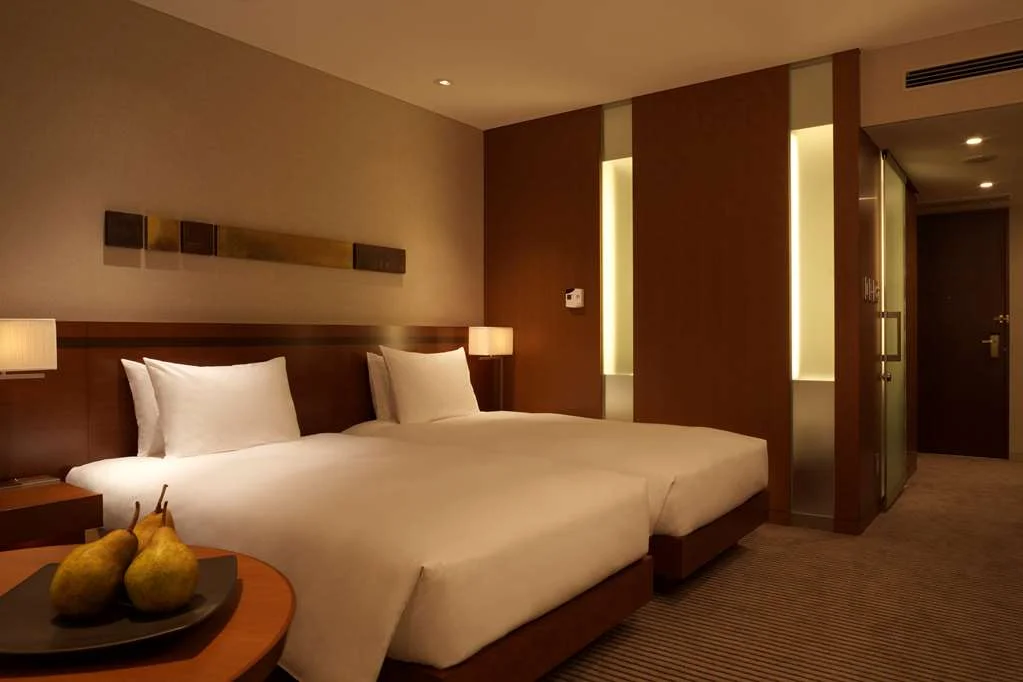
- Beautiful room quality
- Convenient location
Points to consider
- Lack of extensive amenities
- Food quality could improve
Location
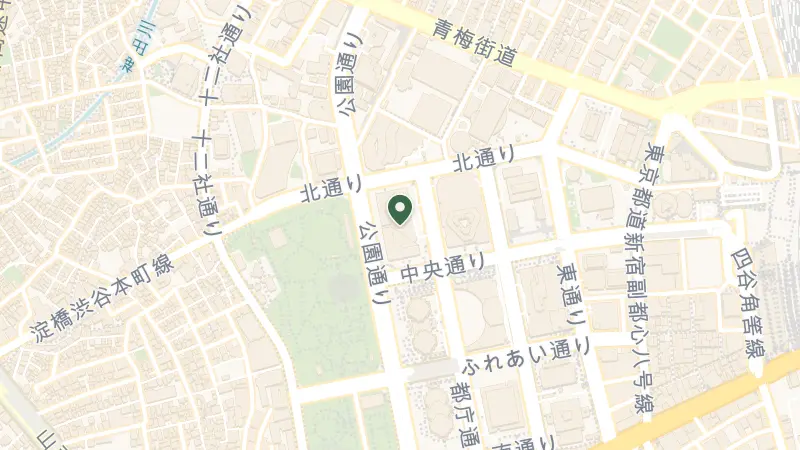
Hyatt's global reach brings more than three decades of experience to Tokyo, where the brand's commitment to service and loyalty finds expression in a city that has refined hospitality into an art form. Nishi-Shinjuku, the western counterpart to the neon frenzy of Shinjuku's eastern entertainment districts, hums with corporate energy during business hours and settles into relative calm come evening. Glass towers house trading floors and multinational headquarters; below, underground passages connect to Shinjuku Station, one of the world's busiest transport hubs, where three million passengers flow through each day.
The Tokyo Imperial Palace and the National Diet Building lie several kilometres east in Chiyoda, anchoring the capital that emerged from Edo's transformation in 1868. Shibuya's scramble crossing and the izakaya lanes of Omoide Yokocho in eastern Shinjuku offer contrasting glimpses of the metropolis, one relentlessly modern, the other stubbornly nostalgic. Mount Fuji's silhouette appears on clear winter mornings, 95 kilometres west, a sacred presence that has inspired pilgrims and artists for centuries.
Haneda Airport lies 18 kilometres south, reachable by express train in under half an hour. Narita, 64 kilometres northeast, serves international long-haul traffic.
Tokyo's three-star dining scene clusters within five kilometres: L'Effervescence interprets Japanese gastronomy through French technique, embodying chef Shinobu Namae's philosophy of connection among producers, staff, and guests. Kagurazaka Ishikawa, 4.5 kilometres northeast, follows Hideki Ishikawa's principle of mui-shizen, cuisine free from artifice, where light seasoning allows each ingredient's character to resonate. At Myojaku, Hidetoshi Nakamura draws upon submarine spring water to express the harmony of mountain and sea with minimal intervention. Book months ahead for any of these. Aoyama Farmers Market, less than four kilometres south, gathers organic producers on weekends beneath zelkova trees.
The area's topography reveals itself at Shinjuku Gyoen National Garden, where Edo-period landscape traditions meet French formal design. Walk east into Kabukicho's theatre district or northwest toward the Choshubaku and Gojo waterfalls in Shinjuku Chuo Park. Ameya-Yokocho, a raucous open-air market near Ueno, sprawls eight kilometres northeast, its stalls piled with dried seafood and surplus military goods, a remnant of post-war black markets. Don't miss the izakaya tucked beneath the railway arches.
Winter arrives sharp and dry, the air crystalline on January mornings when Mount Fuji etches itself against pale skies. Temperatures hover near freezing at dawn, climbing to eight or nine degrees by afternoon. Snow dusts the city perhaps once or twice, melting before evening.
Spring transforms the metropolis between late March and early April when cherry blossoms erupt along the Sumida River and in Ueno Park. Temperatures climb from twelve to eighteen degrees; the light turns soft and golden. Crowds throng beneath the sakura, picnicking on blue tarps until the petals scatter.
Summer brings oppressive humidity and temperatures near thirty degrees, the air thick and still between sudden downpours. September sees typhoons sweep through, drenching the city. Autumn, from October through November, offers crisp relief, the ginkgo trees along Meiji-dori turning incandescent yellow. This is Tokyo's finest season: clear skies, comfortable warmth, and the maples blazing red in temple gardens.
Frequently Asked Questions

Quotes are personally reviewed by Natasha Hardy, founder of The Uncommon Traveller
5.0 rating · 8 Google reviewsThere is no fee or markup. The hotel pays our commission.
Request a Quote 111 Bib Gourmand