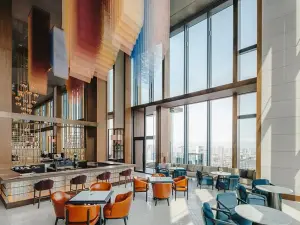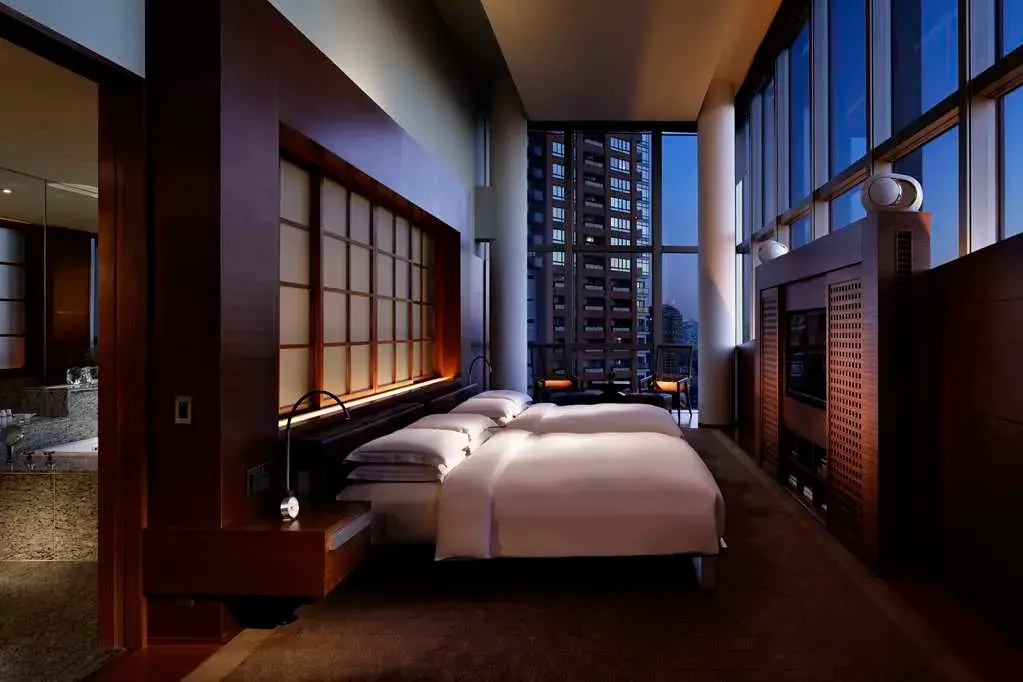
Grand Hyatt Tokyo
When you book Grand Hyatt Tokyo in Japan through our Hyatt Privé partnership, your stay includes daily full breakfast for up to two guests and a property credit. You also receive a priority room upgrade, early check-in and late check-out when available. You continue earning World of Hyatt points and elite night credits. No premium credit card or membership needed: request a quote and our advisor books it at the same rate as booking direct.
Exclusive Booking Perks
These perks are included with your stay at the same rate as booking direct with the hotel.
- Welcome amenity provided to guests upon arrival.
- Daily complimentary full breakfast at a hotel restaurant for up to two guests.
- Property credit (value varies by property).
- Priority for room upgrade (response within 24 hours of booking, subject to forecasted occupancy).
- Early check-in/late check-out/connecting rooms (response within 24 hours of request, subject to forecasted occupancy).
Guest feedback
9.2/10 from 591 guest reviews
Read what guests commentedBy category
Guests liked
- Excellent service
- Great location
- High quality amenities
Points to consider
- Value for money concerns
- Room size may not meet expectations
Location
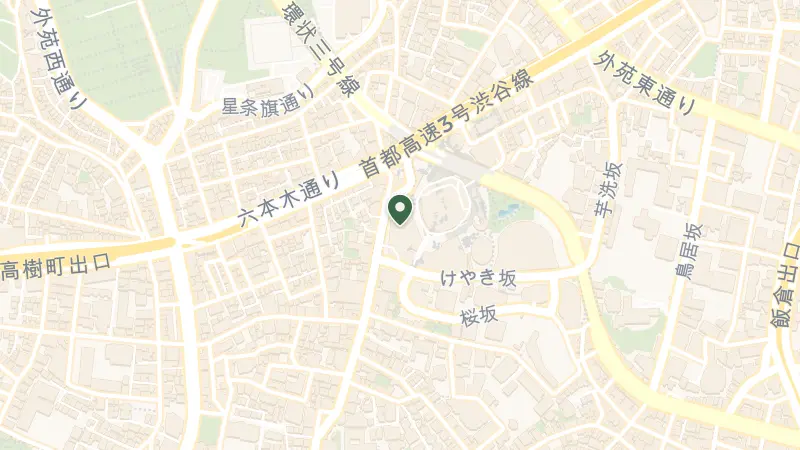
Grand Hyatt hotels are built for scale and sustained comfort: multiple dining venues, sprawling wellness facilities, and public spaces that absorb the flow of a global city without losing their polish. This is the brand's signature in every major capital, and Tokyo's iteration stands at the heart of Roppongi, a district where corporate towers, embassies, and late-night izakayas jostle for position. The neighbourhood pulses with a particular intensity after dark, when art galleries close and the bars and clubs take over, but it also holds quieter pockets: Roppongi Hills rising to the east, leafy Aoyama stretching southwest, and the solemn expanse of the Tokyo Imperial Palace just three kilometres north in Chiyoda.
Tokyo itself is a city of layered density, where 14 million residents navigate a metropolis that has functioned as the nation's capital since 1868. Shinjuku, the administrative core, lies northwest; Shibuya's scramble crossing and department stores are a short train ride south. The city spreads across the head of Tokyo Bay, its skyline a study in vertical ambition and perpetual reinvention.
Haneda Airport sits 13 kilometres south, linked by highway and rail. Narita, the older international gateway, is 61 kilometres northeast, a longer journey that still deposits travelers into the same sprawling, relentless urban machine.
Roppongi holds one of the highest concentrations of Michelin-starred dining in a city already thick with accolades. Just 168 metres from the property, Myojaku earns three stars for Hidetoshi Nakamura's minimalist Japanese cuisine, seasoned with nothing but water and sea salt to reveal each ingredient's purest character. Six seats at Azabu Kadowaki, 655 metres away, offer three-starred intimacy rooted in the tea ceremony's philosophy of closeness and restraint. Shinobu Namae's L'Effervescence, 801 metres distant and also three-starred, frames French technique through the lens of ichiza-konryu, the belief that a restaurant thrives on connections among chef, staff, guest, and producer. Book a table weeks in advance; these are some of the most difficult reservations in Tokyo.
Beyond the dining counter, Roppongi's art museums repay a morning's attention. The Tokyo Photographic Art Museum, opened in 1990, traces the medium's history with rotating exhibitions. The Meguro Museum of Art and the Japanese Folk Crafts Museum, established in 1936, offer quieter galleries a short taxi ride away. The Aoyama Farmers Market, 1.8 kilometres west, gathers weekend vendors selling seasonal produce, house-made miso, and fresh-baked goods. The Tsukiji Outer Market, nearly four kilometres southeast, remains a draw for early risers chasing sashimi breakfast and kitchen tools honed to a blade's edge.
Winter is sharp and dry, with January mornings dipping just above freezing and afternoons climbing to eight degrees. The light is crystalline, the air thin and cold, and the streets feel emptier as residents retreat indoors. Cherry blossom season arrives in late March, when temperatures push into the low teens and the city's parks fill with hanami parties beneath clouds of pale pink petals.
Summer arrives heavy and humid. July and August see highs near 29 degrees, the air thick with moisture, the city slowing under the weight of it. September brings the year's heaviest rains, typhoons sweeping through with sudden violence before the skies clear. Autumn is the season most travelers aim for: October and November deliver mild days, lower humidity, and the slow burn of koyo, when maple leaves turn copper and gold across the city's temple grounds.
Frequently Asked Questions

Quotes are personally reviewed by Natasha Hardy, founder of The Uncommon Traveller
5.0 rating · 8 Google reviewsThere is no fee or markup. The hotel pays our commission.
Request a Quote 111 Bib Gourmand