Hyatt Regency Kyoto
When you book Hyatt Regency Kyoto in Japan through our Hyatt Privé partnership, your stay includes daily full breakfast for up to two guests and a property credit. You also receive a priority room upgrade, early check-in and late check-out when available. You continue earning World of Hyatt points and elite night credits. No premium credit card or membership needed: request a quote and our advisor books it at the same rate as booking direct.
Exclusive Booking Perks
These perks are included with your stay at the same rate as booking direct with the hotel.
- Welcome amenity provided to guests upon arrival.
- Daily complimentary full breakfast at a hotel restaurant for up to two guests.
- Property credit (value varies by property).
- Priority for room upgrade (response within 24 hours of booking, subject to forecasted occupancy).
- Early check-in/late check-out/connecting rooms (response within 24 hours of request, subject to forecasted occupancy).
Guest feedback
9.0/10 from 767 guest reviews
Read what guests commentedBy category
Guests liked
- Friendly staff
- Great location
- Comfortable stay
Points to consider
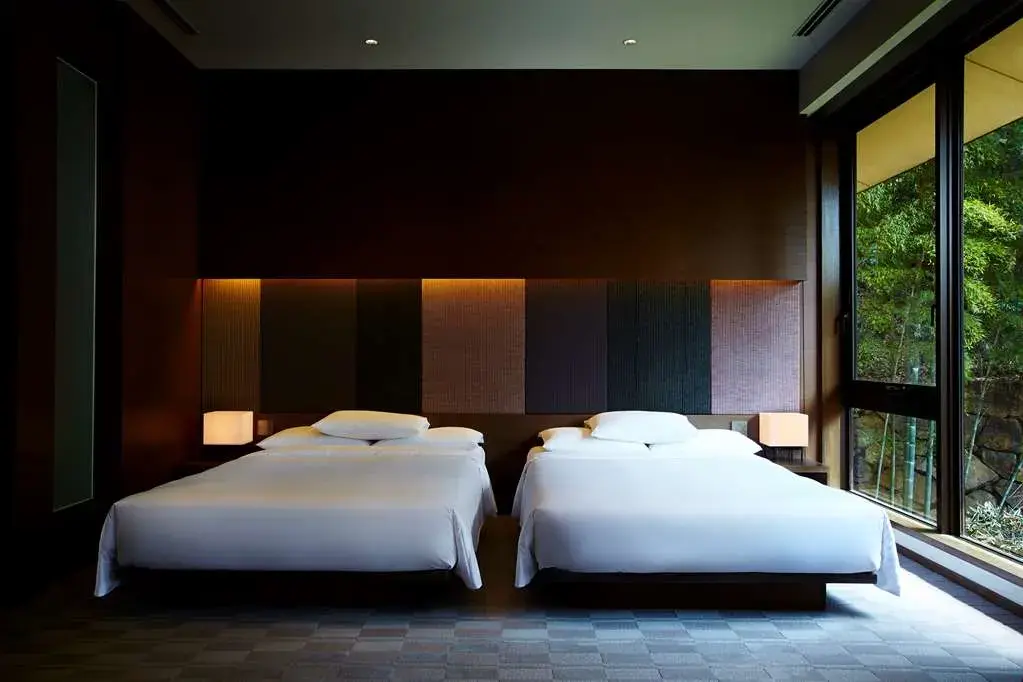
- Room sizes not as expected
- Limited Japanese breakfast options
Location
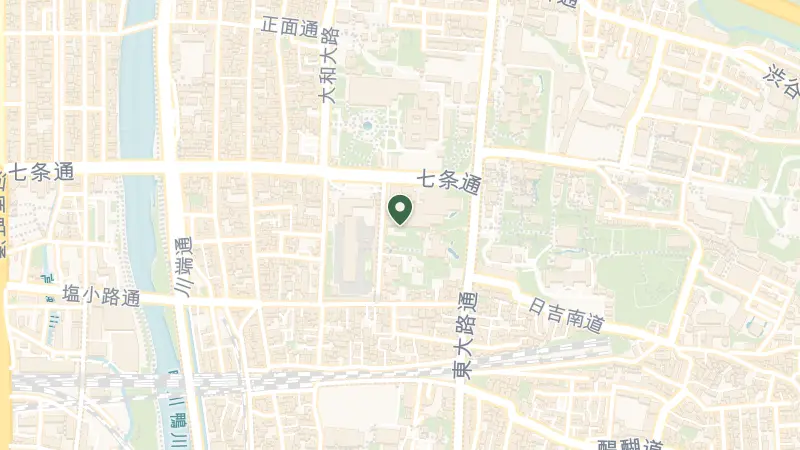
The property sits in Higashiyama Ward, Kyoto's eastern heart where the Kamo River bends toward forested slopes and eleven centuries of imperial memory still shape the city's rhythm. This is Japan's ancient capital, founded in 794 as Heian-kyō and modelled after the feng shui order of Chang'an and Luoyang. Emperors ruled from here until 1869, and the streets still follow that thousand-year grid.
Higashiyama translates to "east mountain," and the name delivers: temple roofs rise above machiya townhouses, incense drifts from shrine gates, and the narrow lanes of Gion (a short walk west) fill each evening with the silk rustle of geiko hurrying to appointments. The Kamo River flows nearby, its stepped banks a gathering place for locals at dusk.
Kiyomizu-dera, part of the UNESCO-listed Historic Monuments of Ancient Kyoto, stands 1.3 kilometres southeast, its wooden stage cantilevered over the hillside. Osaka Itami International Airport lies 38 kilometres southwest; express trains connect to Kyoto Station in under an hour.
Within 1.2 kilometres, Gion Sasaki holds three Michelin stars, a study in teacher-and-student pursuit of the greatest flavours. Kikunoi Honten, 1.7 kilometres away and also three-starred, sees Yoshihiro Murata evangelise Kyoto's ryotei culture with seasonal kaiseki that occasionally borrows Western ingredients for contemporary effect. Book a table at Mizai, 1.9 kilometres from the property, where Hitoshi Ishihara's Zen-inflected cooking unfolds in an atmosphere of mountain stillness and votive lantern glow.
The UNESCO World Heritage corridor begins less than a kilometre away: Kiyomizu-dera's Otowa Waterfall (1.3 kilometres) is said to grant wisdom, longevity, or success depending on which stream you drink from. Gion's hanamachi (geisha district) lies within walking distance, its ochaya teahouses shuttered to all but introductions. Start with shojin ryori, the Buddhist vegetarian tradition refined in Kyoto's temple kitchens, and finish with yudofu (tofu simmered in kombu broth), a local staple since monks needed sustenance during winter meditation.
Winter (December through February) brings sharp, dry cold and occasional dustings of snow that turn temple gardens into ink paintings. Temperatures hover near freezing at night, climbing to seven or eight degrees by midday; the low season means fewer crowds at heritage sites. Spring sees cherry blossoms peak in late March and early April, when the city swells with visitors and temperatures rise to the high teens.
June ushers in tsuyu, the rainy season, with heavy downpours and humidity that clings to skin and silk alike. July and August are hot (30 degrees and above) and thick with moisture.
Autumn is the revelation: September's typhoon rains give way to October's crystalline light and November's momiji (maple) season, when temple grounds blaze scarlet and gold. Visit in late October for the ideal balance of colour and comfort.
Frequently Asked Questions

Quotes are personally reviewed by Natasha Hardy, founder of The Uncommon Traveller
5.0 rating · 8 Google reviewsThere is no fee or markup. The hotel pays our commission.
Request a Quote 114 Bib Gourmand