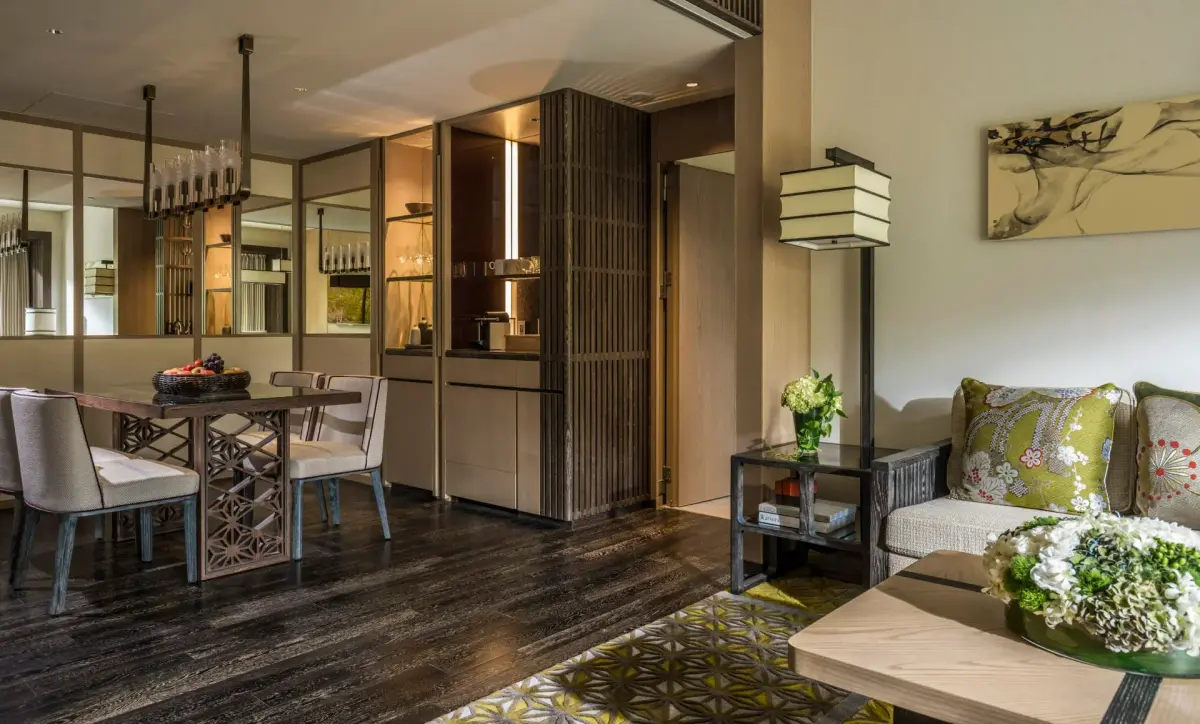
Four Seasons Hotel Kyoto
When you book Four Seasons Hotel Kyoto in Japan through our Four Seasons Preferred partnership, your perks are confirmed with your quote. No premium credit card or membership needed: request a quote and our advisor books it at the same rate as booking direct.
Exclusive Booking Perks
Perks at this property are confirmed with your quote. You book at the same rate as booking direct.
- 4 exclusive perks included with your booking. Message us on WhatsApp for details.
Guest feedback
9.4/10 from 453 guest reviews
Read what guests commentedBy category
Guests liked
- Exceptional, attentive service and helpful concierge
- Beautiful, immaculate grounds with pond, koi and garden
- Spacious, well-equipped rooms/residences
Points to consider
- Some attractions (bamboo forest, monkey park) are a long drive away
- Property can attract large tour groups / many American guests
Location
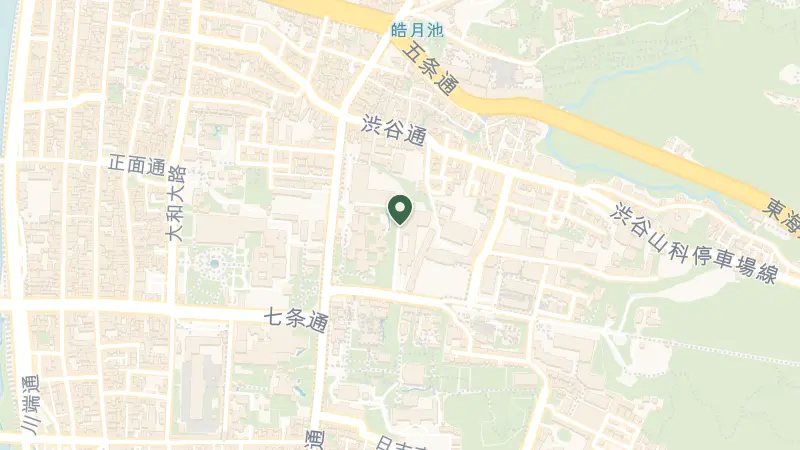
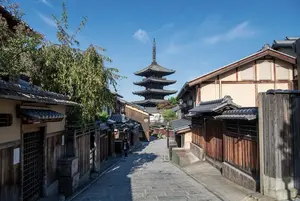
Four Seasons brings its signature anticipatory service and twice-daily housekeeping to a city that invented the art of refined hospitality centuries before the brand existed. The property sits in Higashiyama Ward, Kyoto's eastern district where the Higashiyama mountains rise abruptly from tight streets lined with machiya townhouses. This is the cultural heart of a city that served as Japan's imperial capital for eleven centuries, from 794 until the Meiji Restoration transferred power to Tokyo in 1869.
Walk in any direction and you encounter layers of history: the Kamo River flows nearby, its stone embankments busy with egrets and cyclists; Gion's ochaya teahouses occupy wooden buildings so old their eaves sag under centuries of rain. The neighbourhood feels like a preserved scroll painting. Temple bells mark the hours, incense smoke drifts from doorways, and the clip of geta sandals on stone echoes down alleys too narrow for cars.
Kyoto's original grid, modelled on Tang Dynasty Chang'an, has mostly vanished beneath modern development, but Higashiyama retains the compressed intimacy of old Japan. The Historic Monuments of Ancient Kyoto, a UNESCO World Heritage Site encompassing temples and shrines across the city, begin within a kilometre. Osaka Itami International Airport lies 38 kilometres away, Kansai International 79 kilometres; most visitors arrive via train from either hub.
Hiroshi Sasaki's three-starred Gion Sasaki sits less than a kilometre away, a teacher-and-student kitchen where the team competes daily to create the greatest flavours. Book well ahead. Kikunoi Honten, 1.3 kilometres distant and also holding three stars, evangelises Kyoto's ryotei culture through Yoshihiro Murata's precise kaiseki, occasionally folding Western ingredients into the progression. Mizai, another three-starred destination 1.5 kilometres from the property, channels Zen teachings through Hitoshi Ishihara's cooking; the flicker of votive lanterns and mountain-retreat stillness make the meal feel like ritual. The city holds 183 starred restaurants within 50 kilometres, more than enough to justify a week-long eating tour.
Otowa Waterfall runs just 900 metres away at Kiyomizu-dera, where visitors drink from three streams said to confer wisdom, longevity, or success. The 1994 UNESCO inscription of Kyoto's historic monuments covers dozens of temples and gardens across the city, many within walking distance. Start with the eastern temple complex before dawn, when mist clings to the cypress groves and you can hear your own footsteps on ancient stone. The Kamo River's wide gravel banks offer a grounding counterpoint to temple-hopping: locals picnic, herons hunt, and the water reflects whatever season holds the city.
Winter arrives sharp and bright, temperatures hovering just above freezing, the mountains dusted white. The low season means thinner crowds at temples, though interiors feel almost too austere without heating. Plum blossoms break the cold in late February.
Spring is Kyoto's most celebrated act. Cherry blossoms erupt in early April, followed by wisteria and azalea. The city swells with visitors; book restaurants months ahead. Humidity climbs through May, but the fresh green of new maple leaves softens the weight of warmer air. June brings tsuyu, the rainy season, when moss deepens to emerald and hydrangeas bloom in temple gardens.
Summer is sweltering, temperatures near 30°C and the air thick enough to taste. Autumn redeems everything: crisp days, maples turning bronze and crimson, and the best light of the year slanting low through temple courtyards. November is peak season for a reason.
Frequently Asked Questions

Quotes are personally reviewed by Natasha Hardy, founder of The Uncommon Traveller
5.0 rating · 8 Google reviewsThere is no fee or markup. The hotel pays our commission.
Request a Quote 114 Bib Gourmand