Hyatt Centric Ginza Tokyo
When you book Hyatt Centric Ginza Tokyo in Japan through our Hyatt Privé partnership, your stay includes daily full breakfast for up to two guests and a property credit. You also receive a priority room upgrade when available. You continue earning World of Hyatt points and elite night credits. No premium credit card or membership needed: request a quote and our advisor books it at the same rate as booking direct.
Exclusive Booking Perks
These perks are included with your stay at the same rate as booking direct with the hotel.
- Welcome amenity provided to guests upon arrival.
- Daily complimentary full breakfast at a hotel restaurant for up to two guests.
- Property credit (value varies by property).
- Priority for room upgrade (response within 24 hours of booking, subject to forecasted occupancy).
- Early check-in/late check-out/connecting rooms (response within 24 hours of request, subject to forecasted occupancy).
Guest feedback
9.2/10 from 503 guest reviews
Read what guests commentedBy category
Guests liked
- Excellent location
- Friendly staff
Points to consider
- Rigid service
- Lack of amenities
Location
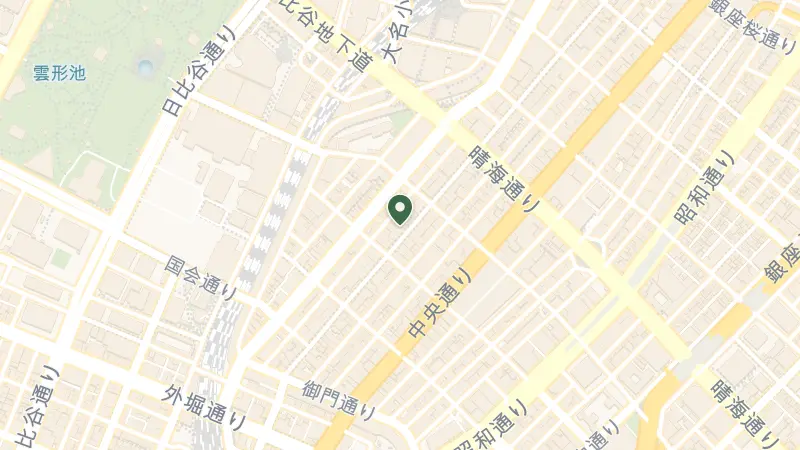
Hyatt operates across multiple tiers, from select-service to ultra-luxury, united by a loyalty programme that rewards repeat stays. This property sits within Ginza Six, a retail complex in Ginza 6-chome conceived by Mori Building Company and partners as a six-star shopping destination. The name nods both to the address and the ambition.
Ginza itself runs on precision and polish. Wide boulevards bisect blocks of department stores whose window displays change with the season. The district hums with the clack of heels on pavement, the whoosh of subway trains beneath Chuo-dori, the soft chime of elevator doors in towers where entire floors sell only watches or ceramics. This was the city's first Western-style brick quarter after the Meiji Restoration, rebuilt after the 1923 earthquake into the orderly grid that remains. The neon glow at dusk is softer here than in Shinjuku, the pace less frenetic than Shibuya, though no less purposeful.
Haneda Airport lies fourteen kilometres south across Tokyo Bay, reachable by monorail or limousine bus. Narita International, the older gateway, sits fifty-eight kilometres northeast and requires an hour-plus journey by express rail. Most international arrivals now route through Haneda, trimming the transfer time into the heart of the metropolis.
Three Michelin-recognised venues anchor the property's dining. Gucci Osteria da Massimo Bottura Tokyo, a collaboration between Florentine fashion and Modenese culinary craft, holds one star for its Italian contemporary repertoire. ZURRIOLA, named for a beach in San Sebastián, explores Basque-inflected flavours through charcoal and firewood, its chef drawing affinities between coastal Spain and coastal Japan to earn a second star. GINZA KATSUKAMI II offers something rarer still: a Bib Gourmand for tonkatsu served in prix fixe form, each cut, from rump to round tip, fried to order and golden at the edges. Beyond the property, Tokyo's 158 starred restaurants scatter across the wards: seek out a counter seat at a Ginza sushiya, or book a kaiseki room in Roppongi. Start with the tasting menu at Osteria and save the loin cutlet for midweek.
The Tsukishima Second Children's Park Farmers Market, 1.8 kilometres east, draws weekend crowds for local greens and fermented goods, while Ameya-Yokochō, 4.5 kilometres north near Ueno, retains its post-war market atmosphere beneath the railway arches. Odaiba Beach, 4.5 kilometres southeast, offers bayside promenades and views back toward the Rainbow Bridge. The waterfall temples of Nezame and Shiraito, both within four kilometres, tuck into urban folds, moss-slick and unexpectedly quiet. For mornings, the depachika beneath Ginza department stores lay out seasonal fruit, hand-rolled mochi, and bentō that double as edible art.
Winter daylight is sharp and low-angled, temperatures hovering near freezing before dawn and climbing to eight or nine degrees by midday. The air stays dry. Plum blossoms emerge in late February, a quiet prelude to the cherry bloom that draws crowds in early April.
Summer arrives heavy and damp. June through September sees the rainy season fold into typhoon season, humidity clinging even after dark. Temperatures push past twenty-eight degrees, streets shimmering with reflected heat. Evenings offer little respite until October, when the air finally cools and clears.
Late autumn through early spring is the most comfortable window for walking the city. November brings the ginkgo leaves down in gold drifts along Meiji-dori, and December's chill sharpens without the wet weight of summer. May and October offer mild temperatures and manageable rainfall, though May edges toward humidity as June approaches.
Frequently Asked Questions

Quotes are personally reviewed by Natasha Hardy, founder of The Uncommon Traveller
5.0 rating · 8 Google reviewsThere is no fee or markup. The hotel pays our commission.
Request a Quote 111 Bib Gourmand