Hotel New Otani Tokyo EXECUTIVE HOUSE ZEN
When you book Hotel New Otani Tokyo EXECUTIVE HOUSE ZEN in Japan through our Virtuoso partnership, your stay includes daily breakfast for up to two guests and a $100 USD food and beverage credit. You also receive a room upgrade, early check-in and late check-out when available. No premium credit card or membership needed: request a quote and our advisor books it at the same rate as booking direct.
Exclusive Booking Perks
These perks are included with your stay at the same rate as booking direct with the hotel.
- Upgrade on arrival, subject to availability
- Daily breakfast for up to two guests per bedroom, served in the restaurant and via in-room dining (already included in property rates)
- $100 USD equivalent Food & Beverage credit to be utilized during stay (not combinable, not valid on room rate, no cash value if not redeemed in full)
- Bookings in our Junior Suites and higher categories will receive an additional $100 Food & Beverage credit (for a total of $200 during stay)
- Early Check-In / Late Check-Out, subject to availability
Guest feedback
9.6/10 from 117 guest reviews
Read what guests commentedBy category
Guests liked
- Excellent service
- High food quality
- Great location
Points to consider
- Check-in delays caused some inconvenience
Location
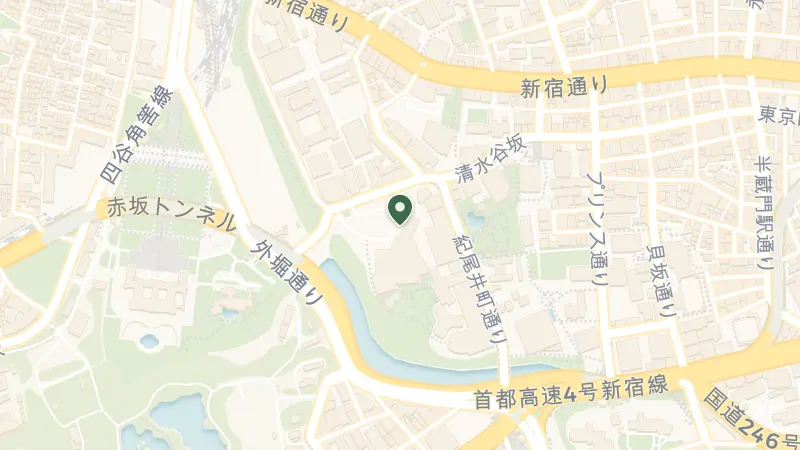
The EXECUTIVE HOUSE ZEN sits in Kioichō, a district whose name honours three feudal clans that held estates here during the Edo period: the Kii, the Owari, and the Ii. Walk these streets and you move through centuries, from samurai compounds to Sophia University's stone arches, from the manicured stillness of Shimizudani Park to the glass towers of modern Chiyoda. This is central Tokyo at its most layered, where the Imperial Palace moats lie within walking distance and the political heart of the nation, the National Diet Building, rises to the south.
The neighbourhood feels quiet for the capital, insulated from the neon rush of Shibuya and Shinjuku by old money and institutional gravity. Office workers cross the avenue at lunchtime; students spill from university gates; and in the evening, izakaya lanterns glow in side streets. The air smells of woodsmoke from yakitori grills and the faint green of park ponds.
Tokyo Haneda International Airport lies fifteen kilometres south, a forty-minute drive depending on traffic. Narita International Airport is sixty kilometres northeast, reached in around ninety minutes by rail or road.
Tour D'argent Tokyo brings the Paris institution to the property, a collaboration born from a meeting between the hotel's founder and the owner of the Parisian flagship, where the fork was first introduced to French dining. The legendary Three Emperors Dinner of the Paris Exposition remains part of the restaurant's lore. Beyond the hotel, Tokyo's Michelin constellation shines brightest at Kanda, 2.1 kilometres away, where Hiroyuki Kanda applies minimal preparation to Tokushima fish and Awa beef beneath an indigo noren. His three stars reflect a devotion to regional purity.
Book a table at Kagurazaka Ishikawa, 2.3 kilometres north, to experience Hideki Ishikawa's mui-shizen philosophy: cuisine free from artifice, true to nature, with presentations that impress through simplicity rather than flourish. Closer to the property, the Aoyama Farmers Market convenes 3.1 kilometres southwest, offering seasonal produce and prepared foods. Shimizudani Park lies within the district itself, a compact refuge of lawns and stone lanterns. For a wilder cascade, Nezame Fall and Shiraito Fall both rest roughly three kilometres from the hotel, tucked into forested pockets where the city's grey recedes.
Winter is sharp and dry, mornings hovering just above freezing, afternoons reaching eight to ten degrees. The sky is often cloudless, the light hard and bright, and the city feels crisp, efficient, emptier of tourists. Spring arrives slowly from mid-March, cherry blossoms peaking in early April when temperatures climb into the mid-teens and the parks fill with hanami picnics beneath pale pink canopies.
Summer is humid and warm, July and August pushing close to thirty degrees with frequent afternoon showers that steam off the pavement. The air thickens, and festivals take over riverside promenades. Autumn is the season to return: September cools, October brings ginkgo gold and maple crimson, and November mornings are cool enough for wool coats and temple visits without crowds.
Frequently Asked Questions

Quotes are personally reviewed by Natasha Hardy, founder of The Uncommon Traveller
5.0 rating · 8 Google reviewsThere is no fee or markup. The hotel pays our commission.
Request a Quote 111 Bib Gourmand