Shangri-La Tokyo
When you book Shangri-La Tokyo in Japan through our Virtuoso partnership, your stay includes daily buffet breakfast for up to two guests and a $100 USD resort or hotel credit. You also receive a room upgrade, early check-in and late check-out when available. No premium credit card or membership needed: request a quote and our advisor books it at the same rate as booking direct.
Exclusive Booking Perks
These perks are included with your stay at the same rate as booking direct with the hotel.
- Upgrade on arrival, subject to availability
- Daily Buffet breakfast for up to two guests per bedroom, served in the restaurant
- $100 USD Equivalent Resort or Hotel credit to be utilized during stay (not combinable, not valid on room rate, no cash value if not redeemed in full)
- Stays of 5+ nights will receive an additional $100 Resort or Hotel credit (for a total of $200 during stay)
- Stays of 7+ nights will receive an additional $200 Resort or Hotel credit (for a total of $300 during stay)
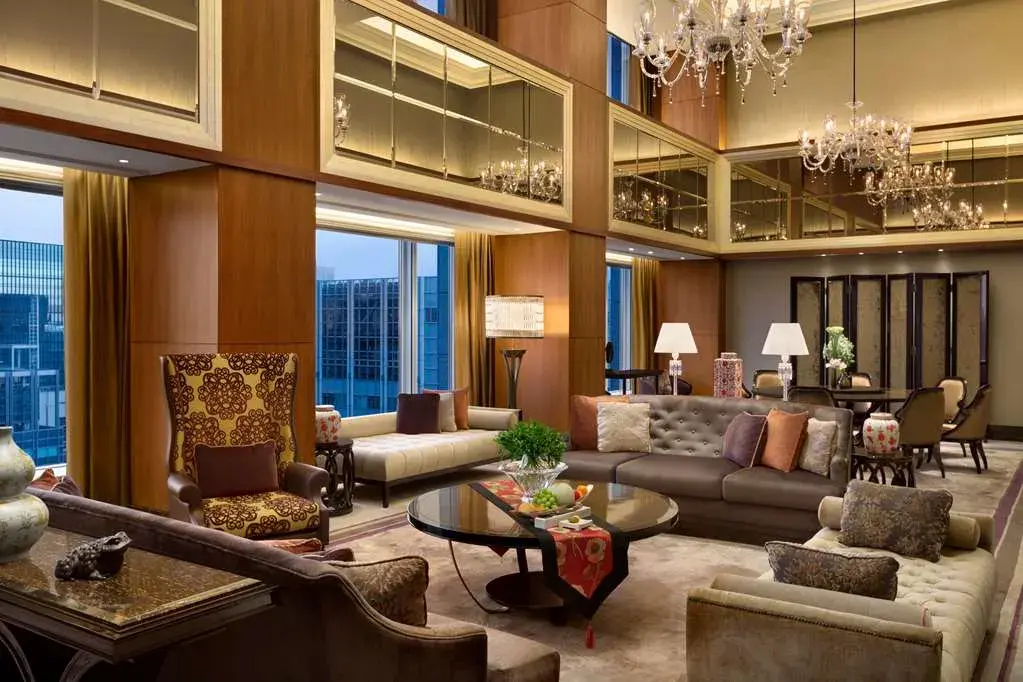
- Bookings in our Shangri-La or Presidential Suite will also receive:
- complimentary roundtrip private airport transfers
- complimentary bottle of champagne
- complimentary 50 minute massage for up to two guests, once during stay
- an additional $100 Resort or Hotel credit (for a total of $200 during stay)
- Early Check-In / Late Check-Out, subject to availability
Guest feedback
9.4/10 from 589 guest reviews
Read what guests commentedBy category
Guests liked
- Great service
- Spacious rooms
- Excellent location
Points to consider
- Poor breakfast buffet
- Some noise from train station
Location
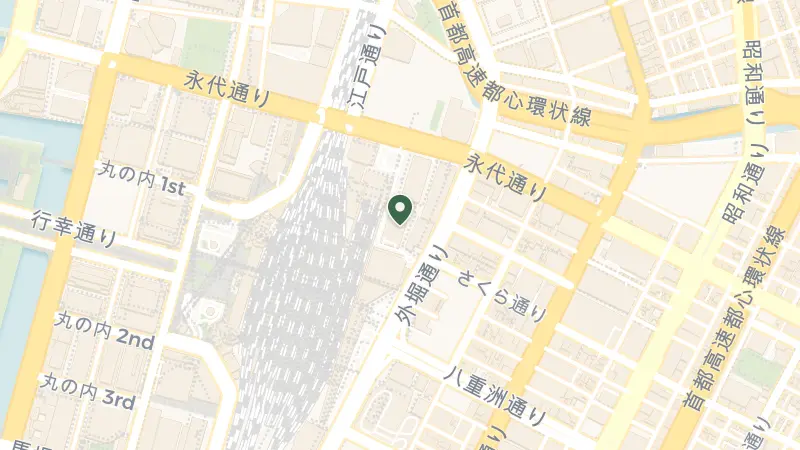
Shangri-La brings its signature Asian-rooted hospitality to Tokyo, where gracious service and the brand's wellness-focused CHI philosophy shape each guest encounter. The property stands in Marunouchi, the city's financial heart, where glass towers frame wide boulevards and morning light catches the Imperial Palace moat a short walk west. This is old Edo made modern: the palace grounds occupy land where the shogun's castle once stood, while underground arcades beneath the office blocks hold shops selling everything from Kyoto ceramics to French pastries.
Step outside and you're in the pulse of central Tokyo. Chiyoda Ward spreads around you, anchored by the National Diet Building and the emperor's residence. To the east, Ginza's department stores and galleries begin just beyond Tokyo Station's red-brick facade. To the north, Nihonbashi's bridges cross canals that once carried goods into the city when Tokyo was still called Edo.
The rhythm here shifts with the commuter tides: silent at dawn when salarymen bow at the palace gates, kinetic by noon when suited crowds fill the ramen counters, hushed again after dark when the Imperial gardens close. Haneda Airport lies fifteen kilometres south with direct rail connections into central Tokyo; Narita sits fifty-seven kilometres northeast for international arrivals.
Tokyo's Michelin constellation glitters brightest within walking distance of Marunouchi. Book a table at RyuGin, where Seiji Yamamoto applies scientific rigour to Japanese technique over charcoal (three stars, 1.3 kilometres south). L'OSIER brings French contemporary cooking to Ginza under willow-tree glass art, a nod to the area's historic symbolism (three stars, 1.6 kilometres). For sushi shaped by a Sukiyabashi Jiro apprentice, Harutaka Takahashi works his counter with precision honed in Asahikawa (three stars, 1.7 kilometres). The city holds 160 Michelin-starred restaurants in total, from kaiseki temples to izakaya counters serving yakitori and sake.
Tsukiji Outer Market sprawls two kilometres southeast, where vendors still sell fresh uni, tamago, and knives sharp enough to fillet tuna. Ameya-Yokochō's covered stalls run along the Yamanote line tracks three kilometres north, a sensory jolt of dried fish, Korean spices, and vintage denim. The Imperial Palace East Gardens open most days for walks among stone foundations and carefully pruned pines, while Ginza's galleries rotate contemporary Japanese art between the couture flagships.
Winter air bites clean and dry, temperatures hovering near freezing at night and climbing only to eight or nine degrees by midday. The city sharpens under January's pale sun: bare ginkgo branches, steam rising from ramen shops, neon reflected on icy pavement. Pack layers and expect crystalline skies.
Spring arrives with plum blossoms in February, then sakura in late March when temperatures climb past twelve degrees and the city erupts in hanami picnics beneath flowering trees. April rains wash the petals away, but the air stays soft and green through May, ideal for walking.
Summer turns thick and humid, with July and August pushing past twenty-eight degrees and sudden downpours drenching the streets. The rainy season peaks in September, though typhoons occasionally sweep through. October cools to the low twenties, and by November the maples turn crimson in temple gardens, the air crisp again and forgiving for exploration.
Frequently Asked Questions

Quotes are personally reviewed by Natasha Hardy, founder of The Uncommon Traveller
5.0 rating · 8 Google reviewsThere is no fee or markup. The hotel pays our commission.
Request a Quote 111 Bib Gourmand