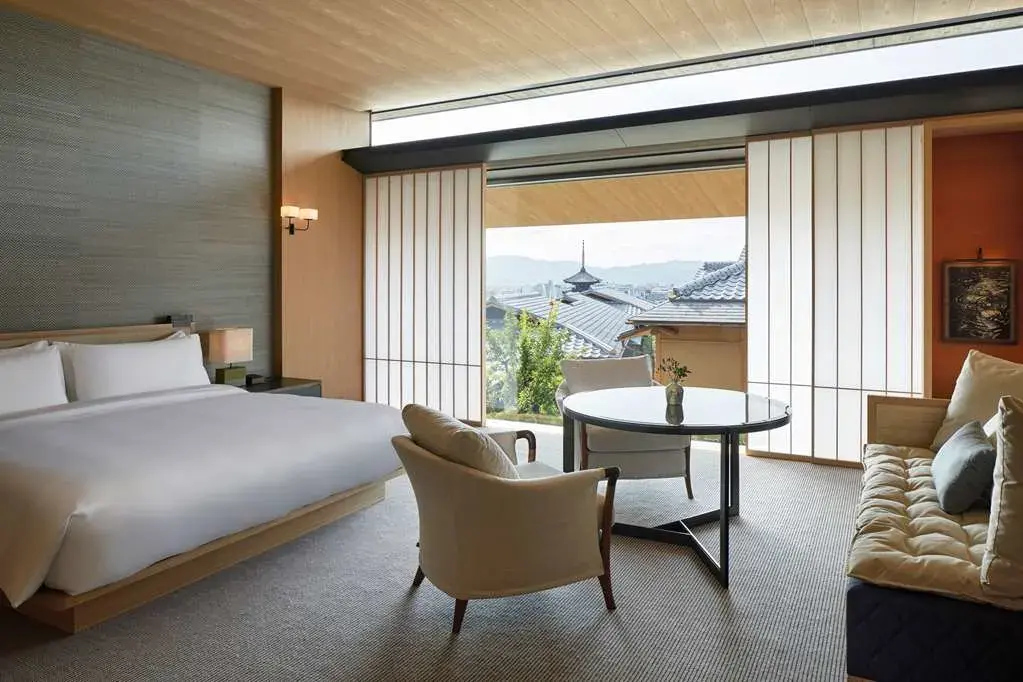
Park Hyatt Kyoto
When you book Park Hyatt Kyoto in Japan through our Virtuoso partnership, your stay includes daily full breakfast for up to two guests and a $100 USD resort or hotel credit. You also receive a room upgrade when available. You continue earning World of Hyatt points and elite night credits. No premium credit card or membership needed: request a quote and our advisor books it at the same rate as booking direct.
Exclusive Booking Perks
These perks are included with your stay at the same rate as booking direct with the hotel.
- Upgrade on arrival, subject to availability
- Daily Full breakfast for up to two guests per bedroom, served in the restaurant
- $100 USD equivalent Resort or Hotel credit to be utilized during stay (not combinable, not valid on room rate, no cash value if not redeemed in full)
- Early Check-In / Late Check-Out, subject to availability
Guest feedback
9.7/10 from 188 guest reviews
Read what guests commentedBy category
Guests liked
- Luxurious stay with exceptional service
- Pristine location adjacent to historical sites
Points to consider
- Limited accessibility via public transport
- Small fitness room and onsen areas
Location
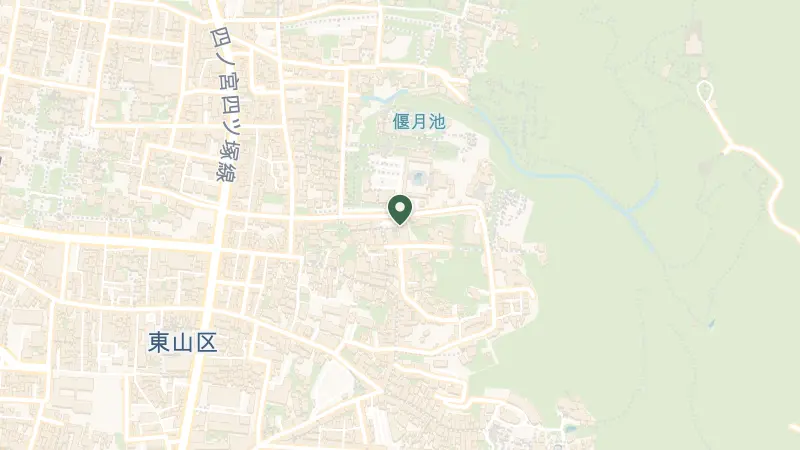
Park Hyatt properties favour intimate scale and curated art over grand lobbies, and in Kyoto the brand's philosophy finds its natural home. The hotel sits in Higashiyama Ward, a neighbourhood where the old capital's grid of machiya townhouses and temple precincts remains legible. Kyoto served as Japan's imperial seat for more than a thousand years, from 794 until the Meiji Restoration sent the court to Tokyo in 1869. That millennium of patronage left a city dense with Buddhist monuments, Zen gardens, and craft ateliers.
Higashiyama hugs the eastern hills, its lanes climbing past vermillion gates and stone lanterns. The Kamo River runs west through the city centre, its stepped banks a gathering place for locals. Within walking distance you'll find the vermillion five-storey Yasaka Pagoda, part of the broader UNESCO-inscribed Historic Monuments of Ancient Kyoto, and the temple precincts that gave this ward its character.
The neighbourhood retains a residential quietness even in high season, geisha still slip through alleyways to evening appointments, and the rhythm of the city feels slower here. Osaka Itami International Airport lies 39 kilometres northwest, a direct limousine bus the simplest arrival.
Three Michelin three-starred restaurants sit within a ten-minute walk. Kikunoi Honten, 283 metres from the property, presents kaiseki with a contemporary sensibility under Yoshihiro Murata, who balances Kyoto's ryotei traditions with occasional Western flourishes. Mizai, 446 metres away, channels Zen philosophy into rustic simplicity, where Hitoshi Ishihara's cooking unfolds in a space lit by votive lanterns. Gion Sasaki, 554 metres distant, showcases Hiroshi Sasaki and his team's pursuit of exceptional seasonal flavour. Book well in advance for any of these. The UNESCO-listed Historic Monuments of Ancient Kyoto encircle the city, with Kiyomizu-dera and its vertiginous wooden stage perched above the valley just beyond the hotel's doorstep. The Otowa Waterfall flows beneath the temple, its three streams believed to grant longevity, academic success, and romantic fortune.
Nishiki Market stretches along a covered arcade 1.6 kilometres west, where vendors sell tsukemono pickles, yuzu citrus, and fresh yuba tofu skin. The stalls open early; arrive mid-morning to watch fishmongers fillet mackerel and sample warm tamagoyaki. For a cooler retreat, follow forest trails to Romon Falls, three kilometres north, where water tumbles through maple groves.
Winter brings cold clarity, temperatures hovering near freezing in January and February, the eastern hills dusted with snow and temple gardens stark against bare branches. Spring arrives with plum blossoms in March, then the cherry bloom rush in early April when highs reach the upper teens and every temple precinct becomes a viewing ground. May and June grow humid, the rainy season (tsuyu) settling in with persistent drizzle and lush greens.
July and August turn hot and sticky, temperatures climbing above 30 degrees, the Gion Matsuri festival parade filling the streets despite the heat. Autumn is Kyoto's crown season: September cools gradually, October delivers crisp mornings and afternoon light that catches the turning maples, November sees koyo leaf-viewing at its peak, temple gardens blazing red and gold.
Visit in late November for colour without crowds.
Frequently Asked Questions

Quotes are personally reviewed by Natasha Hardy, founder of The Uncommon Traveller
5.0 rating · 8 Google reviewsThere is no fee or markup. The hotel pays our commission.
Request a Quote 114 Bib Gourmand