Nagasaki Marriott Hotel
When you book Nagasaki Marriott Hotel in Okinawa, Japan, through our Marriott Luminous partnership, your stay includes daily breakfast for two and a welcome amenity. You also receive a room upgrade, early check-in and late check-out when available. No premium credit card or membership needed: request a quote and our advisor books it at the same rate as booking direct.
Exclusive Booking Perks
These perks are included with your stay at the same rate as booking direct with the hotel.
- Welcome amenity
- Complimentary breakfast daily for two guests per room
- Early check-in and late check-out (when available)
- Complimentary upgrade (if available at check-in)
Guest feedback
9.6/10 from 527 guest reviews
Read what guests commentedBy category
Guests liked
- Comfortable stay
- Excellent service
- Great location
Points to consider
- Breakfast could be better managed
- Some amenities were lacking during peak times
Location
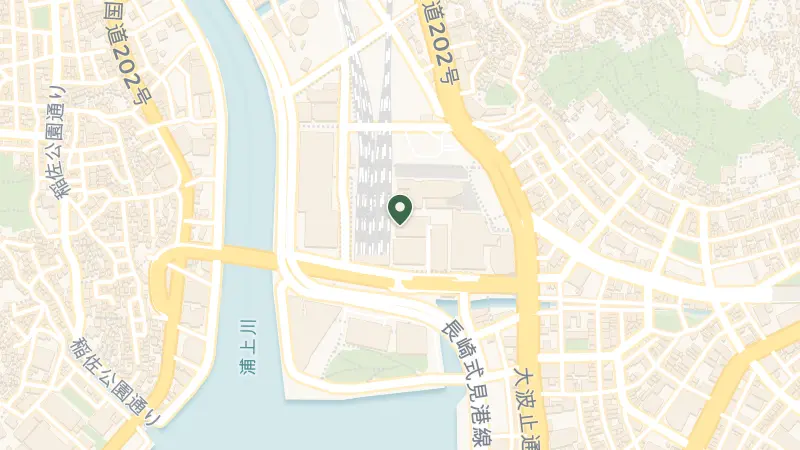
Marriott's presence in Nagasaki offers a polished base in a city shaped by centuries of exchange and upheaval. The property sits in Onouemachi, a district that reflects the quiet residential character common to many Japanese cities, yet the broader story of Nagasaki unfolds just beyond: a harbour city that was once Japan's sole gateway to the outside world during the Edo period, then the site of the second atomic bombing in 1945. That history layers every corner of the cityscape, from the reconstruction-era architecture to the memorials and museums that draw pilgrims from across the world.
Walk down towards Dejima Harbor, less than a kilometre away, and you trace the edges of what was once an artificial island built for Dutch traders in the 17th century. The reconstructed merchant houses and warehouses now offer a window into the cosmopolitan exchanges that defined Nagasaki's mercantile past. The harbour itself remains active, fishing boats cutting through the bay while ferries connect the outlying islands.
Nagasaki Airport sits 19 kilometres away, accessible via limousine bus or taxi in under 40 minutes. The city's compact scale rewards walkers, though trams and buses connect most districts efficiently for those venturing further afield.
The emotional weight of Nagasaki's history demands attention. The Nagasaki Peace Park and Atomic Bomb Museum anchor the city's identity, the latter housing haunting artefacts and survivor testimonies that make the events of August 9, 1945 impossible to abstract. A few kilometres south, Glover Garden showcases Western-style mansions from the Meiji era, their verandas offering sweeping views of the harbour and the hills that cradle the city. The Hidden Christian Sites, part of a UNESCO World Heritage listing, lie 90 kilometres north, a sobering reminder of the persecution faced by converts during Japan's period of enforced isolation.
Unzen-Amakusa National Park, 43 kilometres southwest, offers a stark contrast: volcanic hot springs, steaming fumaroles, and forested trails that climb towards Mount Unzen's peaks. Closer to the property, wander through Dejima's reconstructed quarter or explore the nature reserve five kilometres east for coastal walks where the East China Sea meets the land. Book a morning for Nagasaki's fish markets, where vendors hawk aji, saba, and local squid still glistening from the morning catch.
Winter arrives cold and crisp, temperatures hovering just above freezing in January and February, the skies often cloudless. The light is sharp, cutting across the harbour and the bare hillsides, ideal for walking without the crush of summer tourists.
Spring brings steady rain through April and May, temperatures climbing into the mid-teens, cherry blossoms blooming later here than in Tokyo or Kyoto. June ushers in tsuyu, the rainy season, with heavy downpours that can last days and humidity that clings to the skin. July and August are the hottest months, pushing near 30°C, but the maritime breeze tempers the heat more than inland cities endure.
Autumn is Nagasaki's finest season. September still carries warmth and occasional typhoons, but by October the air cools, the hills flush with crimson and gold, and the crowds thin. November offers comfortable walking weather before the chill deepens in December.
Frequently Asked Questions

Quotes are personally reviewed by Natasha Hardy, founder of The Uncommon Traveller
5.0 rating · 8 Google reviewsThere is no fee or markup. The hotel pays our commission.
Request a Quote