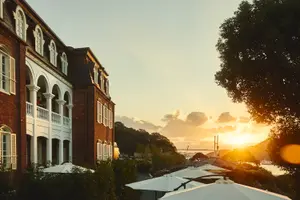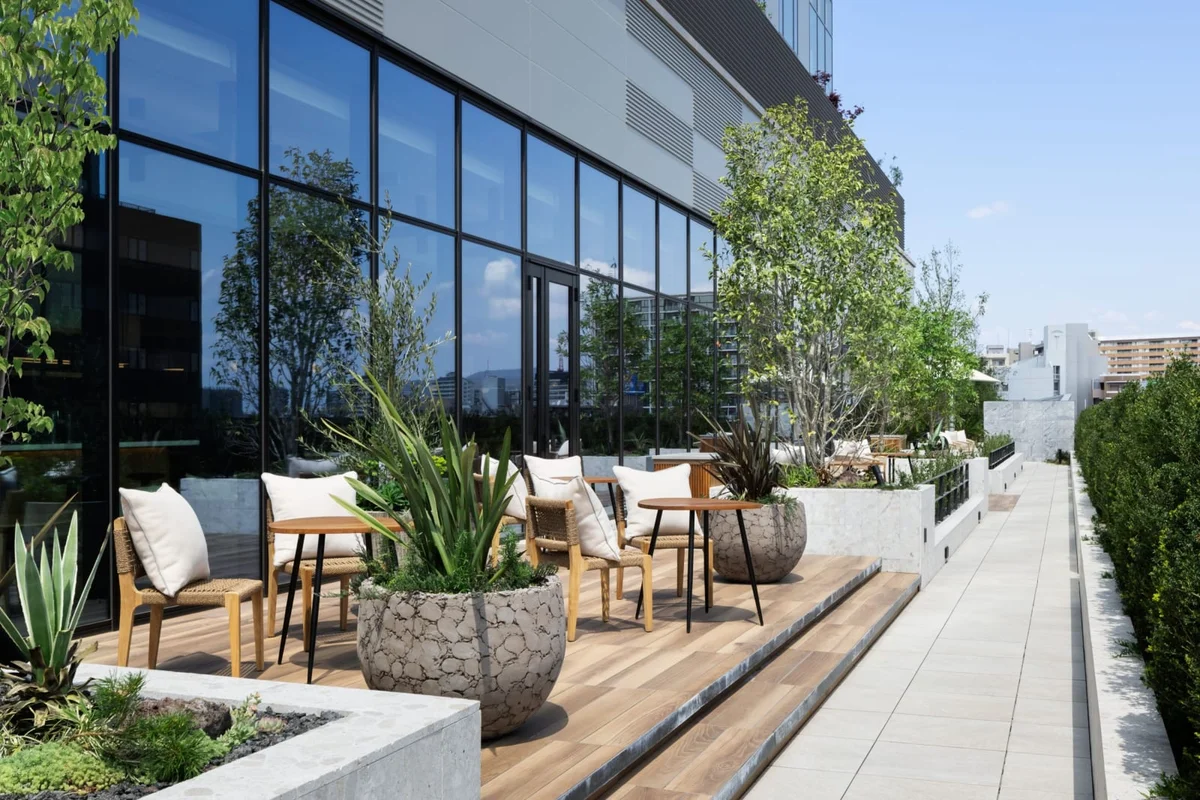
Sheraton Kagoshima
When you book Sheraton Kagoshima in Okinawa, Japan, through our Marriott Luminous partnership, your stay includes daily breakfast for two and a welcome amenity. You also receive a room upgrade, early check-in and late check-out when available. No premium credit card or membership needed: request a quote and our advisor books it at the same rate as booking direct.
Exclusive Booking Perks
These perks are included with your stay at the same rate as booking direct with the hotel.
- Welcome amenity
- Complimentary breakfast daily for two guests per room
- Early check-in and late check-out (when available)
- Complimentary upgrade (if available at check-in)
Guest feedback
9.4/10 from 524 guest reviews
By category
Guests liked
- Excellent staff
- Beautiful views
- Great location
Points to consider
- Slow service in meals
- Bar service could improve
Location
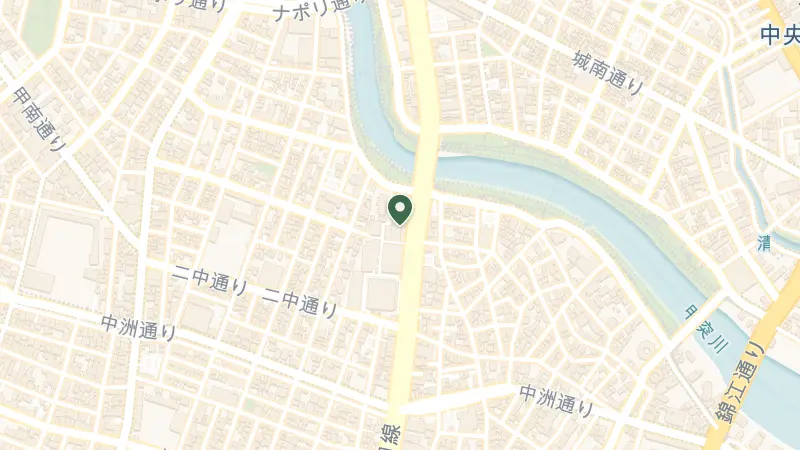
The Sheraton Kagoshima sits in the Chuo district, the commercial heart of a city shaped by volcanoes, samurai history, and proximity to smoking Sakurajima across Kinko Bay. Kagoshima, often called the Naples of the Eastern seas for its dramatic volcanic backdrop, feels more subtropical and unhurried than Tokyo or Kyoto. Ash falls like snow some mornings when Sakurajima erupts; locals brush it from their shoulders without breaking stride. The streets around Arata carry the rhythm of a working city: izakaya curtains flapping in doorways, the clatter of bicycles, the smell of kurobuta pork grilling at lunch counters.
Walk nine hundred metres north to the Asaichi Morning Market, where vendors sell fresh fish hauled from Kinko Bay and produce from the volcanic soil that makes this region's vegetables taste sharper, sweeter. The city's heritage as the seat of the Shimazu clan, who ruled Satsuma Province for seven centuries, surfaces in museum collections and the formal gardens that survived modernization. This is southern Kyushu: closer in spirit to Okinawa than Honshu, with a dialect that baffles even Japanese speakers from elsewhere.
Kagoshima Airport lies twenty-nine kilometres north. Limousine buses connect the terminal to central hotels in under an hour, threading through farmland and coastal roads before entering the city.
Kirishima-Kinkowan National Park stretches twenty-eight kilometres north, a landscape of crater lakes, hot springs, and forested hiking trails beneath active volcanic peaks. The volcanic activity that defines the region surfaces closer to the property at onsen scattered through the city's outskirts, where mineral-rich water drawn from deep beneath Sakurajima soothes after a day of walking. Start with the morning market: arrive before eight to watch tuna being butchered, taste satsuma-age (fried fish cakes studded with vegetables and sake), and buy mandarin oranges so sweet they seem candied.
Iso Beach, four kilometres south along the bay, offers black sand views of Sakurajima's caldera. The volcano erupts regularly, small plumes that drift across the water and dust the shoreline. For a different kind of theater, book a ferry to Sakurajima itself (departing from the port fifteen minutes' walk east) and hike the Yunohira Observatory trail, where the ground stays warm underfoot and sulfur hangs in the air. The Nangoku Country Club, seven and a half kilometres from the property, runs along coastal slopes with fairways that frame the volcano.
January through March brings cool, dry air and clear views of Sakurajima's peak. Temperatures hover near freezing at dawn, climbing to the low teens by afternoon. The light is sharp, the sky frequently cloudless. Cherry blossoms arrive earlier here than in Honshu, often blooming by late March.
June and September see the heaviest rain, with humidity thickening the air and mist obscuring the volcano for days. Typhoons occasionally graze the coast in late summer. October offers a reprieve: warm days, cooler evenings, and the return of crisp visibility across the bay. December through February remains the best window for hiking and outdoor exploration.
Frequently Asked Questions

Quotes are personally reviewed by Natasha Hardy, founder of The Uncommon Traveller
5.0 rating · 8 Google reviewsThere is no fee or markup. The hotel pays our commission.
Request a Quote