Rosewood Miyakojima
When you book Rosewood Miyakojima in Okinawa, Japan, through our Rosewood Elite partnership, your stay includes daily breakfast for up to two guests and a resort credit of JPY 15,000. You also receive a one-category room upgrade when available. No premium credit card or membership needed: request a quote and our advisor books it at the same rate as booking direct.
Exclusive Booking Perks
These perks are included with your stay at the same rate as booking direct with the hotel.
- JPY 15,000 resort credit
- Daily breakfast for up to two people per bedroom
- Complimentary one-category upgrade at booking or upon arrival (varies by hotel)
- Welcome Amenity
Guest feedback
Based on 32 guest reviews
Read what guests commentedBy category
Guests liked
- Fantastic facility
- Amazing service
Points to consider
- Poor value for money
- Inadequate amenities
Location
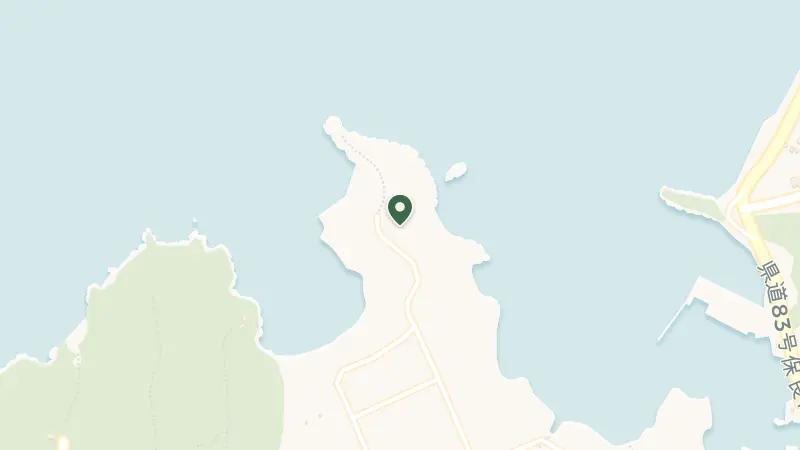
Rosewood approaches each property as a cultural landmark, shaped by local heritage rather than a blueprint. Architecture, art, and culinary direction emerge from the surrounding landscape and history, with an emphasis on residential-style accommodation and the Asaya wellness philosophy. This restrained interpretation of luxury centres on place, not formula.
Miyakojima lies roughly 300 kilometres southwest of Okinawa's main island, a raised coral atoll ringed by reefs and powdery beaches. The light here is equatorial, sharp and white, bouncing off limestone cliffs and shallow turquoise water that shifts from jade to cobalt depending on the depth of the reef shelf. Sunayama Beach, less than a kilometre from the property, is known for its natural stone arch framing the East China Sea. The island's interior is flat, agricultural, planted with sugarcane and tobacco, crosshatched by narrow roads that lead to dive sites and fishing villages.
Miyako Airport sits seven kilometres away, with direct flights from Tokyo, Osaka, and Naha. The island has no train system. Most visitors rent a car or arrange transfers through their accommodation. The pace is quiet, the population sparse outside the small port city of Miyakojima to the south.
The draw here is submersion, literal and otherwise. The waters around Miyakojima are considered some of the clearest in Japan, with visibility often exceeding 50 metres. Hanadainone and the twin sites of L-Achi and W-Achi (11 to 13 kilometres offshore) drop sharply along coral walls populated by manta rays, sea turtles, and schools of barracuda. Winter months bring humpback whales through the Miyako Strait. For those who prefer surface activity, Painagama Beach (4.6 kilometres east) offers calm water suitable for paddleboarding, while Sunset Beach to the south lives up to its name during the dry season. Book a morning boat to one of the offshore dive sites if you're certified; the early light renders the reef in high contrast.
On land, Emerald Coast Golf Links (12.9 kilometres) traces the coastline with holes that play into prevailing trade winds. The interior roads connect small shrines, limestone caves used as shelters during the war, and family-run izakaya serving gōyā champurū (bitter melon stir-fry) and Miyako soba, a regional variant made with flat noodles and pork belly. Start with the coastal loop road that circles the island in under two hours, stopping where the sugarcane fields give way to clifftop viewpoints over the Pacific.
January through March brings the coolest conditions, with highs around 12°C and brisk winds off the East China Sea. The light is clear, the beaches empty, the water still warm enough for diving if you're comfortable in a wetsuit. This is low season; the island quiets, and rates drop accordingly.
April to June marks the climb into humidity, with May and June turning wet as the rainy season settles in. The sugarcane grows tall, the air thick with salt and frangipani. July and August deliver full summer: water temperatures above 28°C, afternoon thunderstorms, and peak domestic tourism during Japan's Obon holiday. The island fills with families; book well ahead.
September through November is the sweet spot. Typhoon risk persists through October, but when the weather holds, the sea is warm, the crowds thin, and the afternoon light turns golden over the reefs. December cools quickly, the trade winds return, and the island empties again. Plan for late spring or early autumn if you want warmth without congestion.
Frequently Asked Questions

Quotes are personally reviewed by Natasha Hardy, founder of The Uncommon Traveller
5.0 rating · 8 Google reviewsThere is no fee or markup. The hotel pays our commission.
Request a Quote