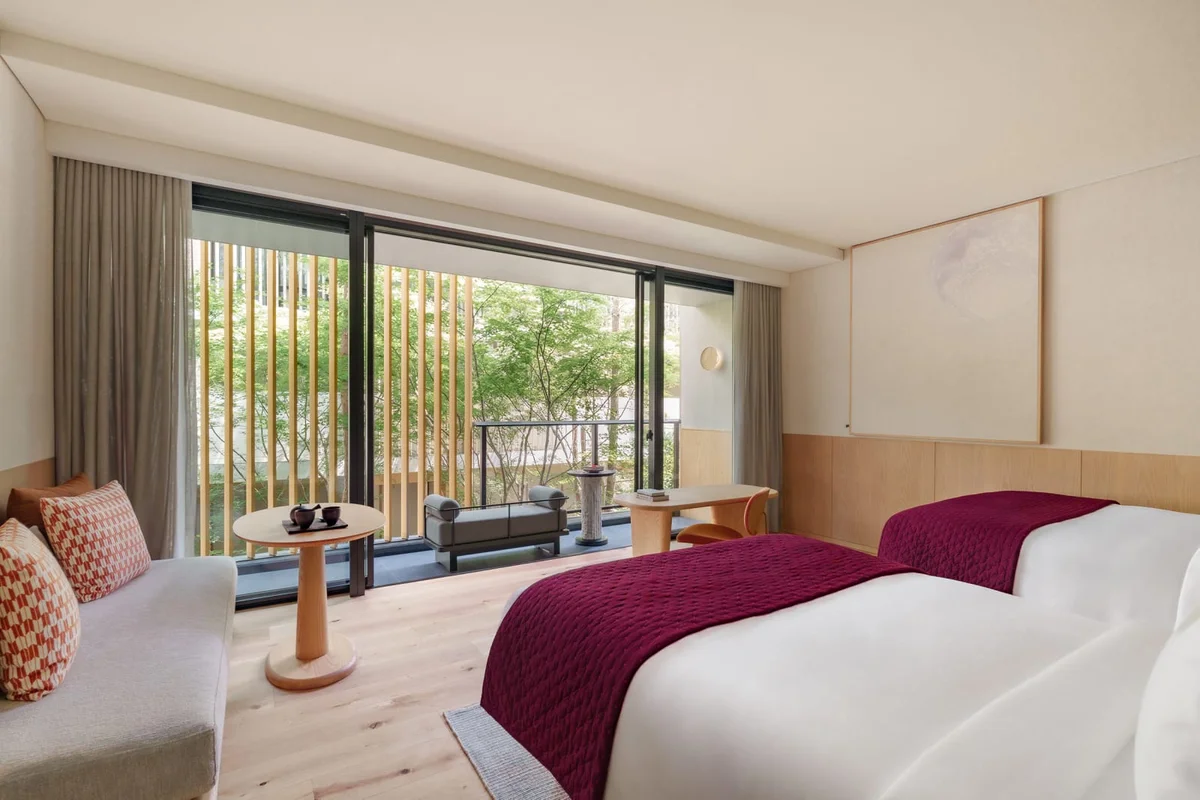
Six Senses Kyoto
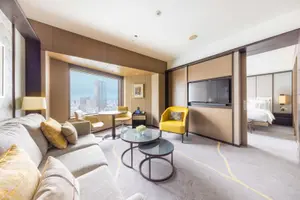
When you book Six Senses Kyoto in Japan through our IHG Destined partnership, your stay includes daily breakfast for two and a $100 USD hotel credit per stay. You also receive a room upgrade, early check-in and late check-out when available. You continue earning IHG One Rewards points and elite night credits. No premium credit card or membership needed: request a quote and our advisor books it at the same rate as booking direct.
Special Offer
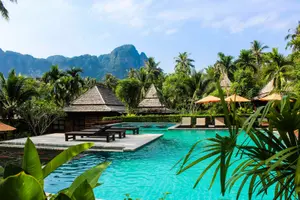
Three Nights Plus Don't rush it. Stay a little longer at our urban sanctuary and discover Kyoto's timeless charm, ancient culture, and fascinating traditions. And you'll enjoy up to 33 percent savings when you stay three nights or more. Inclusions:• Access to our traditional Japanese hot bath, sauna, swimming pool, and fitness facilities Good to know Valid for minimum three night stay Offer subject to room availability and black-out dates apply Offer is subject to change without prior notice This offer is not applicable to groups, conferences, or meetings
Exclusive Booking Perks
These perks are included with your stay at the same rate as booking direct with the hotel.
- $100 USD (or local currency equivalent) hotel credit per stay
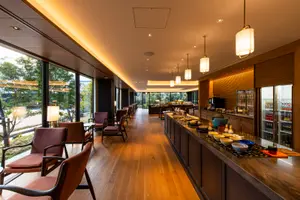
- Daily complimentary breakfast for 2 guests (full or continental, depending on the hotel)
- Complimentary room upgrade (subject to availability)
- Local welcome amenity
- Early check-in / late check-out (subject to availability)
Guest feedback
9.0/10 from 102 guest reviews
Read what guests commentedBy category
Guests liked
- Relaxing ambiance
- Friendly staff
- Lovely room
Points to consider
- Local food options could be better
- Noise from the air conditioning
Location
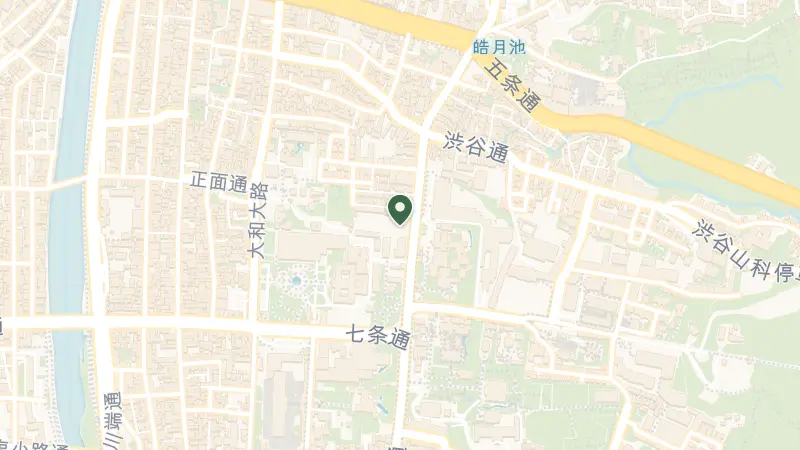
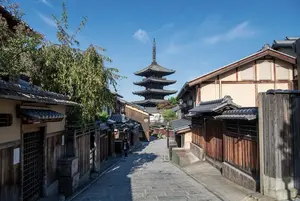
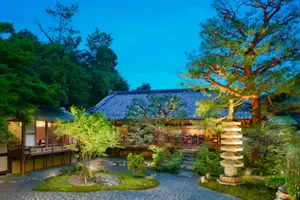
Six Senses brings its signature commitment to sustainability and wellness to Kyoto, where organic gardens and spa rituals align naturally with the city's long-held reverence for seasonal cycles and mindful living. The property anchors itself in Higashiyama Ward, the eastern quarter where temple eaves rise against wooded hillsides and narrow lanes still follow their eighth-century alignments. This is old Kyoto, where the imperial court settled in 794 and where the framework of Japanese culture took shape over eleven centuries of unbroken rule.
Step outside and you're in the heart of traditional Kyoto. The Kamo River runs westward through the city, its stepped banks a gathering place for evening strolls. Gion, the historic geisha district, lies within walking distance, its wooden machiya townhouses now sheltering kaiseki restaurants and teahouses. Kiyomizu-dera, part of the UNESCO-listed Historic Monuments of Ancient Kyoto, crowns the slopes less than two kilometres east, its wooden stage cantilevered above a forested valley.
The city is accessible via Osaka Itami International Airport, 38 kilometres north, with train connections bringing visitors directly into Kyoto's compact centre. Kansai International Airport, farther at 79 kilometres, offers more international routes, while the efficient rail network makes even distant arrivals straightforward.
The property's commitment to organic cultivation means seasonal ingredients often move directly from garden to table, a philosophy that mirrors Kyoto's kaiseki tradition. For dining beyond the grounds, Gion Sasaki holds three Michelin stars less than a kilometre away, where chef Hiroshi Sasaki and his team pursue what they describe as a teacher-and-student quest to create the greatest flavours. Kikunoi Honten, another three-star establishment 1.4 kilometres from the hotel, showcases Yoshihiro Murata's efforts to evangelise Kyoto's graceful ryotei culture while occasionally introducing Western ingredients for contemporary edge. Book a table at Mizai, 1.5 kilometres distant, where three-star chef Hitoshi Ishihara creates dishes informed by Zen teachings amid the flicker of votive lanterns.
The Otowa Waterfall at Kiyomizu-dera draws visitors who drink from its three streams, each said to confer a different blessing: longevity, academic success, or luck in love. Choose only one, tradition warns. The Historic Monuments of Ancient Kyoto encompass seventeen sites within a kilometre, including Ginkaku-ji and its meticulously raked sand garden. For provisions and atmosphere, Kyoto Central Wholesale Markets 1 opens three kilometres west, where vendors arrive before dawn with Tango Peninsula seafood and Tamba produce.
Winter brings cold, clear mornings, temperatures dipping just below freezing in January while temple gardens turn stark and beautiful under occasional dustings of snow. The light takes on a brittle quality, and visitors wrapped in coats move more slowly through gravelled courtyards.
Spring arrives with force in late March and April, when cherry blossoms transform the Philosopher's Path into a pink canopy and temperatures climb into the high teens. Rainfall increases, but the city accepts this as part of hanami season. Summer turns humid, with July and August pushing past thirty degrees and sudden downpours punctuating heavy afternoons.
Autumn is Kyoto's finest season. October and November bring reliably dry weather, mid-teens temperatures, and the maple-viewing tradition of momijigari, when hillsides around Tofuku-ji blaze crimson and gold. The slanting light of late afternoon turns temple walls amber. This is when to visit.
Frequently Asked Questions

Quotes are personally reviewed by Natasha Hardy, founder of The Uncommon Traveller
5.0 rating · 8 Google reviewsThere is no fee or markup. The hotel pays our commission.
Request a Quote 114 Bib Gourmand