Hotel Indigo Tokyo Shibuya by IHG
When you book Hotel Indigo Tokyo Shibuya by IHG in Japan through our IHG Destined partnership, your stay includes daily breakfast for two, a $100 USD hotel credit per stay and a welcome amenity. You also receive a room upgrade, early check-in and late check-out when available. No premium credit card or membership needed: request a quote and our advisor books it at the same rate as booking direct.
Exclusive Booking Perks
These perks are included with your stay at the same rate as booking direct with the hotel.
- $100 USD (or local currency equivalent) hotel credit per stay
- Daily complimentary breakfast for 2 guests (full or continental, depending on the hotel)
- Complimentary room upgrade (subject to availability)
- Local welcome amenity
- Early check-in / late check-out (subject to availability)
Guest feedback
9.0/10 from 1,817 guest reviews
Read what guests commentedBy category
Guests liked
- Great location
- Friendly and helpful staff
Points to consider
- Small room sizes
- Limited space for luggage
Location
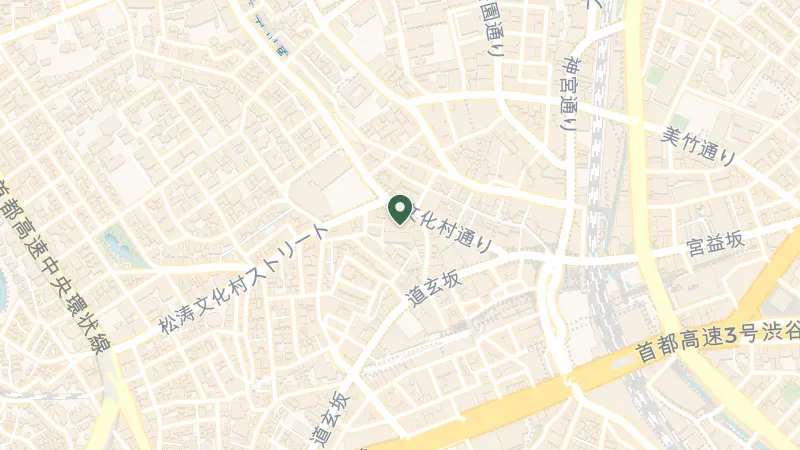
Shibuya pulses with a particular energy that defines modern Tokyo. The famous scramble crossing, where a thousand strangers move in choreographed chaos each time the lights change, sits moments from the property. Neon signs climb towards the sky, pachinko parlours chime their electronic melodies, and the statue of Hachikō, the loyal Akita who waited for his master for nine years, draws a steady stream of visitors arranging meetings beneath his bronze gaze. This is commerce and sentiment layered in equal measure.
The neighbourhood extends beyond the crossing into Dōgenzaka, where love hotels and record shops occupy the same steep streets, and the night economy hums until dawn. Shibuya Station, one of the world's busiest transport hubs, connects to every corner of the metropolis. The Imperial Palace grounds lie to the northeast, Shinjuku's government towers to the north, and the tree-lined avenues of Aoyama stretch south towards Tokyo Bay.
Haneda International Airport sits fifteen kilometres southeast, linked by direct train in under forty minutes. The longer journey from Narita, sixty-four kilometres northeast, takes roughly an hour by express rail. Both deliver you into a city where 14 million residents generate a density of experience unmatched elsewhere.
Start at Aoyama Farmers Market, just over a kilometre south, where producers from surrounding prefectures arrive on weekends with seasonal vegetables, house-made miso, and fresh-baked shokupan (milk bread) that locals queue for before mid-morning. The market offers a quieter counterpoint to Shibuya's electronic glare. For kaiseki that approaches meditation, book a table at Myojaku, nearly three kilometres west, where Hidetoshi Nakamura uses submarine spring water drawn from deep beneath the ocean floor to coax out each ingredient's subtle character (three Michelin stars). Closer still, L'Effervescence, two kilometres away, interprets French technique through Japan's seasonal calendar under the philosophy of ichiza-konryu, the interconnection of chef, staff, guest, and producer (three stars).
The waterways of Gotanda and beyond reveal another Tokyo. Six kilometres southeast, a cluster of small waterfalls, Choshubaku and Gojo among them, tuck into ravines where the city's topography reasserts itself. Odaiba Beach, nearly eight kilometres south on Tokyo Bay, offers a manufactured but popular stretch of sand with views back towards the Rainbow Bridge. The property sits at the threshold: step outside and you're in the current; retreat inside and the city recedes to a glow through the windows.
Winter arrives sharp and bright, temperatures hovering near freezing at night and climbing to eight or nine degrees by midday. The air stays dry, the sky often cloudless, and the low sun casts long shadows through Shibuya's tower blocks. Plum blossoms appear in late February, signaling the turn.
Spring builds slowly through March and April, cherry blossoms drawing enormous crowds to Ueno Park and the Meguro River. Temperatures reach the high teens by mid-April, and the city exhales after winter's contraction. May grows warm and humid before the rainy season settles over June, bringing heavy downpours and close, muggy air. Summer peaks in August at nearly thirty degrees, the heat reflecting off concrete and glass. September cools gradually but remains wet.
Autumn is Tokyo's finest season. October and November bring mild days, crisp evenings, and ginkgo trees turning gold along the avenues. The light softens, the air clears, and the city feels briefly spacious. December turns cold again, and the cycle begins anew.
Frequently Asked Questions

Quotes are personally reviewed by Natasha Hardy, founder of The Uncommon Traveller
5.0 rating · 8 Google reviewsThere is no fee or markup. The hotel pays our commission.
Request a Quote 111 Bib Gourmand