Kimpton Shinjuku Tokyo by IHG
When you book Kimpton Shinjuku Tokyo by IHG in Japan through our IHG Destined partnership, your stay includes daily breakfast for two, a $100 USD hotel credit per stay and a welcome amenity. You also receive a room upgrade, early check-in and late check-out when available. No premium credit card or membership needed: request a quote and our advisor books it at the same rate as booking direct.
Exclusive Booking Perks
These perks are included with your stay at the same rate as booking direct with the hotel.
- $100 USD (or local currency equivalent) hotel credit per stay
- Daily complimentary breakfast for 2 guests (full or continental, depending on the hotel)
- Complimentary room upgrade (subject to availability)
- Local welcome amenity
- Early check-in / late check-out (subject to availability)
Guest feedback
9.2/10 from 465 guest reviews
Read what guests commentedBy category
Guests liked
- Exceptional service
- Central location
- Excellent food quality
Points to consider
- Room size concerns
- Issues with deposits and communication
Location
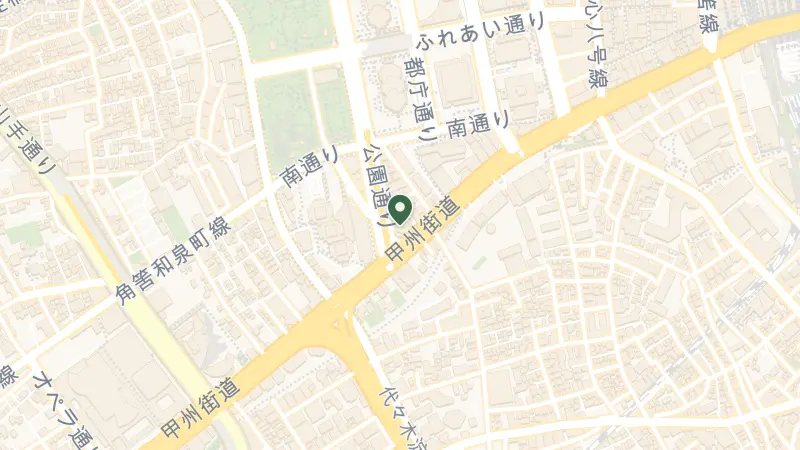
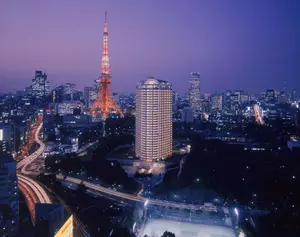
Kimpton arrived in Tokyo with its signature approach: a boutique sensibility, irreverent warmth, and a talent for making luxury feel approachable. The brand's debut in Japan brings that ethos to Nishi-Shinjuku, a neighbourhood of glass towers and illuminated thoroughfares where the administrative heart of the capital meets the kinetic energy of one of the world's busiest transit hubs. Shinjuku Station, a maelstrom of train lines and human traffic, pulses just beyond the hotel's immediate surroundings, while westward the district shifts into corporate high-rises and pockets of izakaya-lined streets where salarymen gather after dark.
The broader Shinjuku ward holds the Tokyo Metropolitan Government Building, its twin observatories offering wide views of the city's sprawl, and the verdant escape of Shinjuku Gyoen National Garden, a former imperial estate where meticulously pruned pines and still ponds provide counterbalance to the neon cacophony a few blocks away. Eastward, the Golden Gai district preserves a tangle of narrow alleys and matchbox-sized bars, each seating six or eight patrons beneath hand-painted signs and strings of lanterns. The character here is layered: ultramodern commerce alongside intimate tradition, all compressed into a quarter where old wooden facades stand beneath shimmering steel.
Tokyo Haneda International Airport lies seventeen kilometres south, connected by the Keikyu Line or limousine bus, while Narita International, sixty-four kilometres to the northeast, serves long-haul arrivals with express rail links threading through the sprawl.
The Aoyama Farmers Market, three kilometres south in the shadow of the United Nations University, gathers weekend crowds around stalls of Yamanashi stone fruit, fermented miso, and just-baked shokupan. Closer still, the district's izakaya culture rewards evening exploration: grilled yakitori under red paper lanterns, cold Sapporo in frosted mugs, the sizzle of okonomiyaki on tabletop griddles. For Michelin pursuits, L'Effervescence holds three stars four kilometres away, where Shinobu Namae weaves Japanese produce into French technique under the philosophy of ichiza-konryu, the bonds among chef, guest, and grower. Myojaku, also three-starred, sits just beyond, its cuisine shaped by water drawn from submarine springs, each dish a study in restraint.
Book a table at Kagurazaka Ishikawa, five kilometres northeast in a quieter enclave of stone-paved slopes and temple gates, where Hideki Ishikawa's mui-shizen philosophy strips away artifice to reveal the purity of seasonal ingredients. Closer to the property, the mechanical hum of Zen Golf Range and the weekend energy of Ameya-Yokochō, a sprawling open-air market eight kilometres east, offer contrasting rhythms of the city's leisure culture.
Winter mornings arrive sharp and cloudless, the air brittle enough to see your breath as cyclists navigate frosted crosswalks. January temperatures hover near freezing overnight, climbing to eight degrees by midday when pale sunlight warms temple courtyards and commuters shed their overcoats on train platforms. Spring belongs to cherry blossoms: late March through early April, when petals drift across parks and the city exhales collectively under branches hung with pink and white. Temperatures climb into the mid-teens, light rain alternating with brilliant blue afternoons.
Summer descends with humidity that clings to skin, July and August peaking near thirty degrees as rainy season gives way to festival drumbeats and fireworks over the Sumida River. September holds the year's heaviest rainfall but also a gradual cooling, the air softening as autumn approaches. October and November deliver the best conditions: crisp mornings, blazing ginkgo trees, and clear views stretching to Mount Fuji on windless days.
December turns cold again, though rarely bitter, the city strung with illuminations and the scent of roasted sweet potato from street vendors. Visit in spring for hanami revelry or autumn for foliage and temperate wandering.
Frequently Asked Questions

Quotes are personally reviewed by Natasha Hardy, founder of The Uncommon Traveller
5.0 rating · 8 Google reviewsThere is no fee or markup. The hotel pays our commission.
Request a Quote 111 Bib Gourmand