InterContinental ANA Tokyo by IHG
When you book InterContinental ANA Tokyo by IHG in Japan through our IHG Destined partnership, your stay includes daily breakfast for two and a $100 USD hotel credit per stay. You also receive a room upgrade when available. You continue earning IHG One Rewards points and elite night credits. No premium credit card or membership needed: request a quote and our advisor books it at the same rate as booking direct.
Exclusive Booking Perks
These perks are included with your stay at the same rate as booking direct with the hotel.
- $100 USD (or local currency equivalent) hotel credit per stay
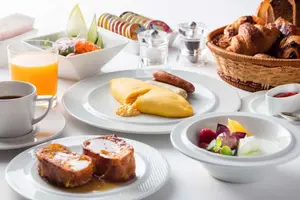
- Daily complimentary breakfast for 2 guests (full or continental, depending on the hotel)
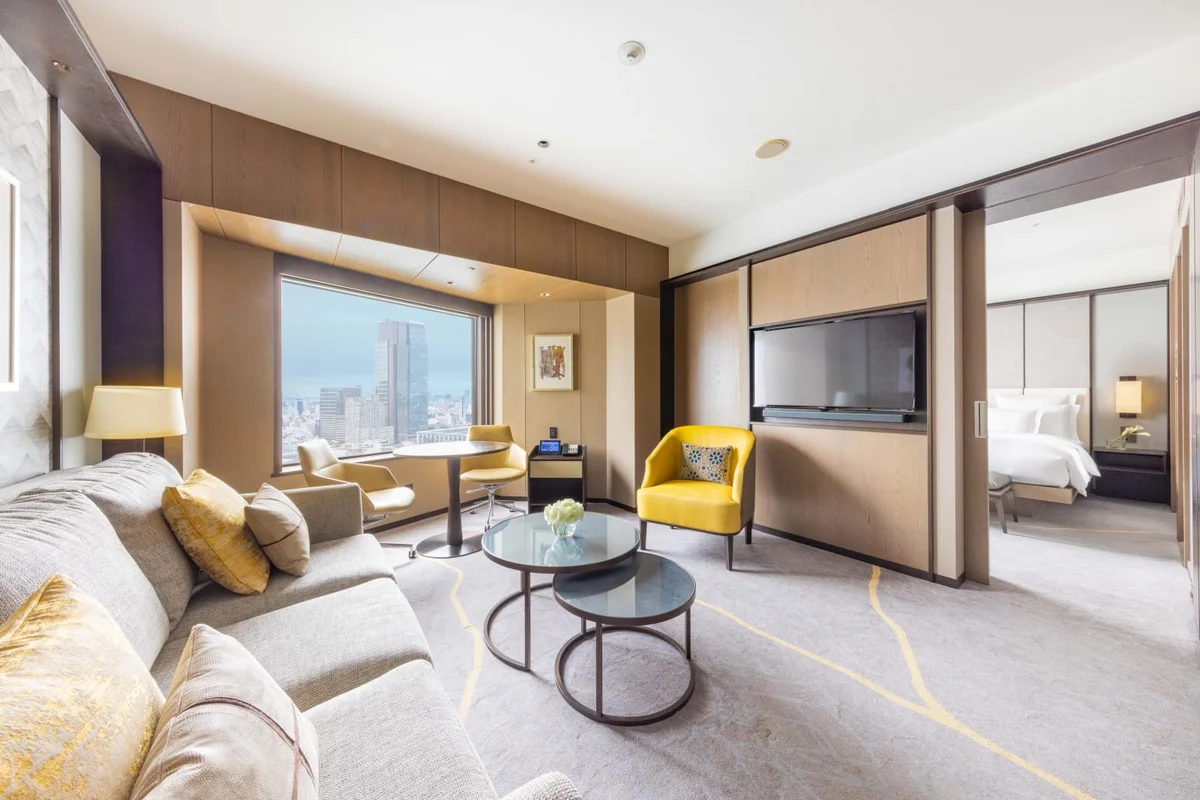
- Complimentary room upgrade (subject to availability)
- Local welcome amenity
- Early check-in / late check-out (subject to availability)
Location
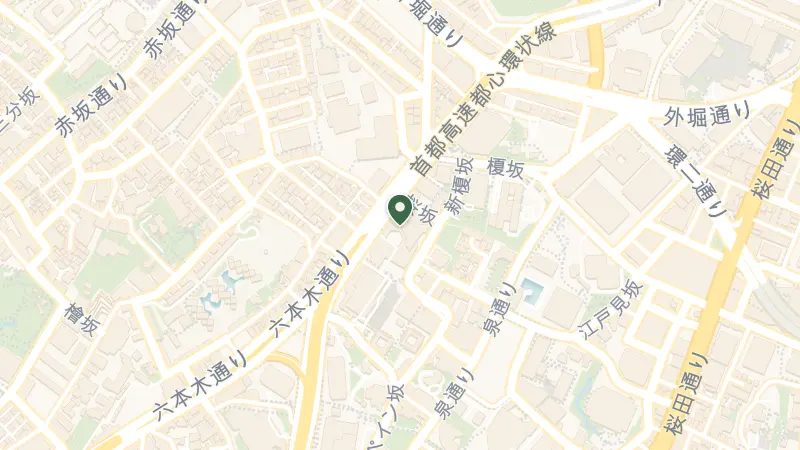
Akasaka pulses with the dual rhythm of Tokyo's political and business life, government offices and embassy compounds giving way to sleek corporate towers and discreet izakaya tucked beneath highway overpasses. The neighbourhood sits just west of the Imperial Palace grounds, where the National Diet Building's white pyramid rises above Chiyoda's formal gardens. At street level, salarymen stream from subway exits toward after-work gathering spots, while quieter lanes reveal traditional ryotei hidden behind latticed facades.
Shibuya's neon crush lies three kilometres south, Shinjuku's skyscraper corridor stretches northwest, but Akasaka maintains a more composed energy, the kind that comes from proximity to power without the need to announce it. Cherry trees line Akasaka Palace's perimeter walls each spring, their blossoms drifting onto black sedans. The air smells of grilled yakitori, exhaust, and the faint sweetness of white rice steaming in restaurant kitchens.
Haneda Airport sits fourteen kilometres south along Tokyo Bay, connected by monorail and expressway; Narita lies sixty kilometres northeast for international arrivals.
Hiroyuki Kanda's three-Michelin-starred Kanda, less than a kilometre away, serves Japanese cuisine filtered through Tokushima heritage, its indigo noren curtain marking an entrance to precision and restraint. Book weeks ahead. Azabu Kadowaki, one and a half kilometres south, seats just six at a counter where Toshiya Kadowaki works with the intimacy of a tea ceremony. Myojaku, one point six kilometres distant, draws on submarine spring water to extract the purest trace of mountain and sea from each ingredient. The nearby あおもり地域アンテナショップ (0.6km) offers Aomori Prefecture specialties, apples and scallops brought south. Walk three kilometres to the Aoyama Farmers Market on weekends for seasonal produce and artisan breads.
The Tokyo Imperial Palace's East Gardens open to the public, their gravel paths and stone foundations revealing Edo Castle's original moats and walls. Mount Fuji, ninety-eight kilometres southwest, has inspired pilgrims and ukiyo-e artists for centuries; its snow-capped symmetry visible on clear winter mornings from the city's high points.
Winter arrives sharp and crystalline, temperatures hovering near freezing at night and barely reaching eight degrees by day, the sky a relentless blue. Cherry blossoms break in late March, petals scattering across temple grounds and office plazas as temperatures climb into the mid-teens. May brings warmth and clarity before June's rainy season (tsuyu) settles in, humidity thickening the air and rainfall turning steady.
July and August swell hot and heavy, temperatures pushing past twenty-eight degrees, the city shimmering in cicada chorus. September's typhoon season cools things slightly but brings the year's heaviest rains. October and November offer the finest weather: crisp mornings, golden ginkgo leaves, highs in the low twenties.
December turns cold again, the city preparing for New Year with none of the rain that marks early spring. Visit in autumn for walking weather and maple colour, or brave winter for empty temples and unobstructed mountain views.
Frequently Asked Questions

Quotes are personally reviewed by Natasha Hardy, founder of The Uncommon Traveller
5.0 rating · 8 Google reviewsThere is no fee or markup. The hotel pays our commission.
Request a Quote 111 Bib Gourmand