InterContinental Osaka by IHG
When you book InterContinental Osaka by IHG in Japan through our IHG Destined partnership, your stay includes daily breakfast for two and a $100 USD hotel credit per stay. You also receive a room upgrade, early check-in and late check-out when available. You continue earning IHG One Rewards points and elite night credits. No premium credit card or membership needed: request a quote and our advisor books it at the same rate as booking direct.
Exclusive Booking Perks
These perks are included with your stay at the same rate as booking direct with the hotel.
- $100 USD (or local currency equivalent) hotel credit per stay
- Daily complimentary breakfast for 2 guests (full or continental, depending on the hotel)
- Complimentary room upgrade (subject to availability)
- Local welcome amenity
- Early check-in / late check-out (subject to availability)
Guest feedback
9.4/10 from 999 guest reviews
By category
Guests liked
- Friendly staff
- Clean and spacious rooms
Points to consider
- High cost of some amenities
- Limited food options
Location
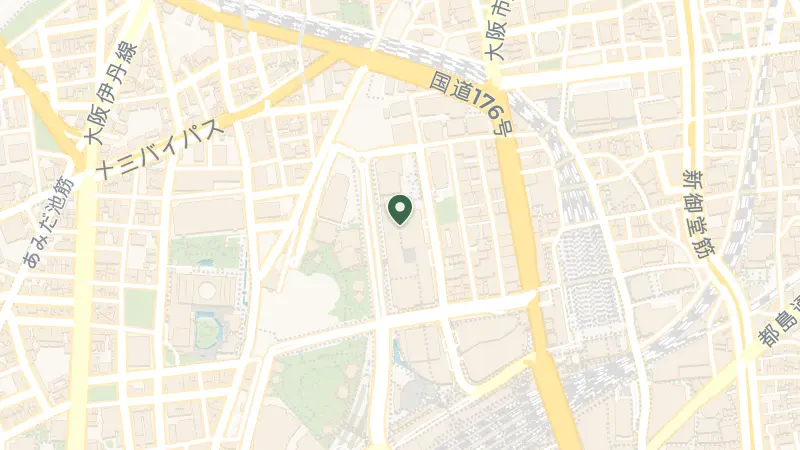
InterContinental's heritage as a cultural gateway finds full expression in Osaka, where the property anchors itself in Kita Ward, the city's pulsing commercial and entertainment heart. The brand's Insider Experiences philosophy aligns naturally with a metropolis that has defined itself through commerce and appetite since the Edo period, when it earned its reputation as "the nation's kitchen." Club InterContinental and refined dining programmes here serve as starting points for understanding a city that balances fierce modernity with deep culinary tradition.
Stepping into Kita Ward means entering a district where neon-lit dotonbori signage competes with the scent of takoyaki grilling on street corners. The neighbourhood hums with the energy of underground shopping arcades, elevated walkways connecting department stores, and the low rumble of trains beneath Osaka Station. This is the city that built itself on rice trading and never looked back, a place where merchants historically outranked samurai and where that mercantile pragmatism still shapes the street-level rhythm.
Osaka's imperial past (it served briefly as Japan's capital in the 7th and 8th centuries) feels distant against the postwar reconstruction and relentless innovation that define the modern skyline. The Higashi-Yokobori River threads quietly through the urban grid. Osaka Itami International Airport sits ten kilometres north, connected by frequent limousine buses and rail links; Kansai International Airport lies 39 kilometres south for long-haul arrivals.
Pierre, the property's Michelin-starred French restaurant, builds its menu around Japanese-grown ingredients, listing only the components and inviting diners to imagine the composition before it arrives. This ingredient-first philosophy mirrors the city's broader food culture. Within walking distance, the sensory assault of Kuromon Ichiba Market unfolds across covered arcades where vendors grill Hokkaido scallops over charcoal and slice bluefin tuna behind glass counters. Two kilometres west, HAJIME holds three Michelin stars for avant-garde cuisine presented beneath a sculptural installation representing Earth, the restaurant's "Dialogue with the Earth" theme manifesting in dishes that challenge the boundary between food and conceptual art.
Book a table at Taian, 3.9 kilometres south, where three Michelin stars accompany a space so spare it recalls the paradox of the tea ceremony: intimacy expanding into boundlessness. Beyond gastronomy, the Mozu-Furuichi Kofun Group (19 kilometres south) preserves 49 ancient burial mounds from the elite of the Kofun period, their keyhole shapes visible from above. Historic Monuments of Ancient Kyoto lie 39 kilometres northeast, accessible by frequent express trains for immersion in temple gardens and imperial architecture.
Winter brings sharp air and bright skies, temperatures hovering near freezing at night and climbing only to eight degrees by day. The city's streets feel crisp, uncrowded, ideal for walking between heated indoor markets and temple precincts without the humidity that defines other seasons.
Spring transitions slowly, cherry blossoms arriving in early April as temperatures reach the high teens. June ushers in tsuyu, the rainy season, when heavy precipitation and rising humidity make the city feel close and warm. July and August turn sweltering, the mercury pushing past 30 degrees, though this is festival season and the energy compensates for the heat.
Autumn delivers Osaka's finest weather. September still carries summer's warmth but October cools to the low twenties, the light turning golden over the Osaka Plain. November sees the ginkgo trees flare yellow along boulevards before December returns to the clean cold of winter's clarity.
Frequently Asked Questions

Quotes are personally reviewed by Natasha Hardy, founder of The Uncommon Traveller
5.0 rating · 8 Google reviewsThere is no fee or markup. The hotel pays our commission.
Request a Quote 117 Bib Gourmand