The Ritz-Carlton, Osaka
When you book The Ritz-Carlton, Osaka in Japan, through our Marriott STARS partnership, your stay includes daily breakfast for two and a $100 USD hotel credit once per stay. You also receive a room upgrade, early check-in and late check-out when available. You continue earning Marriott Bonvoy points and elite night credits. No premium credit card or membership needed: request a quote and our advisor books it at the same rate as booking direct.
Exclusive Booking Perks
These perks are included with your stay at the same rate as booking direct with the hotel.
- Personalized and customized amenity
- Complimentary breakfast daily for two guests per room
- All STARS hotels offer a hotel credit valued at $100 USD (once per stay)
- Early check-in and late check-out (when available)
- Complimentary upgrade (if available at check-in)
Location
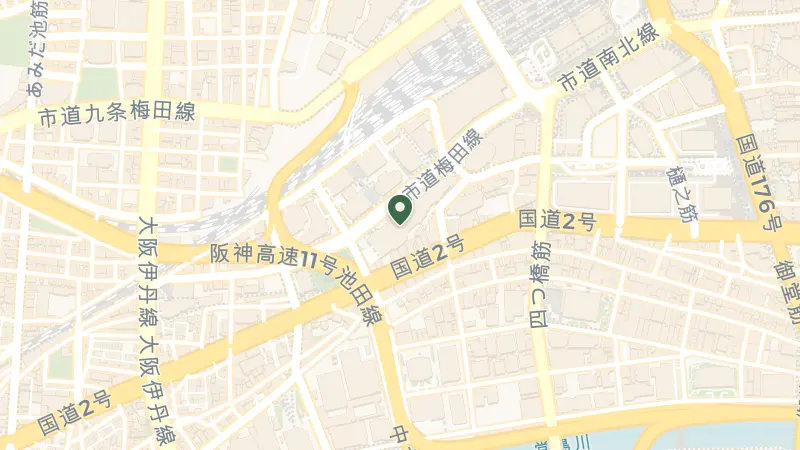
The Ritz-Carlton approach to service, built on meticulous preference tracking and the brand's signature Club Lounge hospitality, translates seamlessly to Osaka, a city that has spent centuries perfecting the art of omotenashi. The property sits in Umeda, Kita Ward's nerve centre, where glass towers rise above railway lines that once carried goods from the port that made this city Japan's merchant capital during the Edo period. Step outside and you're in the thick of it: department store food halls stocked with pressed mackerel sushi, underground shopping arcades that stretch for blocks, and the hum of commuters streaming through one of the nation's busiest transit hubs.
Osaka's identity is rooted in commerce and appetite, a counterpoint to Kyoto's refinement and Tokyo's formality. This is where okonomiyaki sizzles on teppan griddles, where takoyaki vendors work with balletic precision, where the Dotonbori canal reflects neon signs advertising crab and pufferfish. The city's Kofun period origins as a regional port laid the groundwork for its role as a trading powerhouse, and that mercantile spirit, that kuidaore philosophy of eating yourself into ruin, still defines the streets today.
Osaka Itami International Airport lies ten kilometres north, connected by limousine bus and rail links that deliver you to Umeda Station within thirty minutes. Kansai International Airport, the city's main international gateway, sits thirty-eight kilometres south across the bay.
On-site, La Baie brings French technique filtered through the sensibility of Christophe Gibert, a Bretagne native whose coastal upbringing shows in his extensive use of seaweed alongside classical preparations. The dining room's symmetry and formality suit the cuisine's precision. For a lighter experience, TEMPURA HANAGATAMI serves tempura made with wheat flour chilled below freezing before frying, producing an airy batter that wraps sea urchin, nori, and seasonal ingredients. Book a table at HAJIME, 1.1 kilometres from the property, where three Michelin stars recognize HAJIME Takayama's conceptual approach to Japanese cuisine under the theme "Dialogue with the Earth," served in a dining room dominated by a planetary sculpture containing layered images of food and land.
Kuromon Ichiba Market, less than four kilometres south, has fed Osaka for nearly two centuries. Vendors slice tuna for breakfast sashimi, grill scallops over charcoal, and sell kampyo and tsukemono by the kilo. Don't miss the chance to visit Osaka Castle, a concrete reconstruction of Toyotomi Hideyoshi's sixteenth-century stronghold, where the top floor overlooks the city he once ruled. Dotonbori's neon canal district, walkable or a short subway ride south, pulses with energy after dark, the Glico running man sign reflected in water that smells faintly of fried batter and grilled meat.
Winter months bring crisp mornings and temperatures hovering near freezing, the air sharp enough to make the walk from station to restaurant feel purposeful. Coats are necessary, but snow is rare. The low light has a particular quality, pale and brief, that makes indoor pleasures, hot bowls of udon and departamento depachika browsing, feel especially appealing.
Spring arrives with force in late March, cherry blossoms erupting along the rivers and in castle parks, temperatures climbing into the mid-teens. The city shakes off winter's reserve. April and May can be wet, but the warmth persists, humidity building as June approaches, when rainy season settles in with steady downpours that empty the streets by evening.
July and August are furnace months, temperatures pushing past thirty degrees, the air thick and relentless. Locals retreat to air-conditioned malls and underground shopping corridors. Autumn, particularly October and November, offers the year's most comfortable weather, temperatures in the teens and low twenties, the humidity finally broken, the light golden over castle walls and riverbanks lined with turning ginkgo.
Frequently Asked Questions

Quotes are personally reviewed by Natasha Hardy, founder of The Uncommon Traveller
5.0 rating · 8 Google reviewsThere is no fee or markup. The hotel pays our commission.
Request a Quote 117 Bib Gourmand