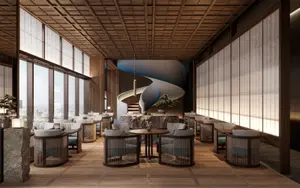
Conrad Osaka
When you book Conrad Osaka in Japan through our Hilton for Luxury partnership, your stay includes breakfast for two and a hotel credit of USD 100 per stay. You also receive a one-category room upgrade when available. You continue earning Hilton Honors points and elite night credits. No premium credit card or membership needed: request a quote and our advisor books it at the same rate as booking direct.
Special Offer
+ 25% off + Valid on new bookings
Exclusive Booking Perks
These perks are included with your stay at the same rate as booking direct with the hotel.
- VIP guest status
- Complimentary breakfast for 2 guests
- USD100 hotel credit per stay (or local equivalent)
- Double Hilton Honors Points
- Upgrade to next room category (subject to availability)
Guest feedback
9.4/10 from 399 guest reviews
Read what guests commentedBy category
Guests liked
- Amazing check-in process
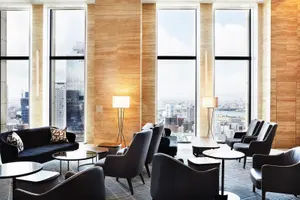
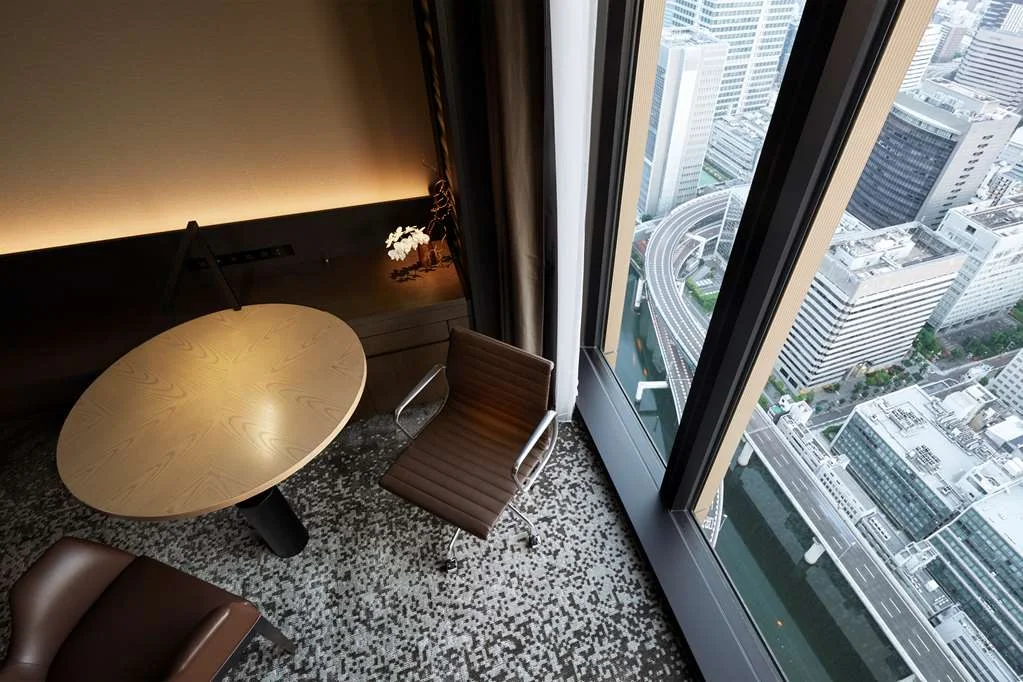
- Incredible views from the room
Points to consider
- Location could be closer to main attractions
- Two elevators needed
Location
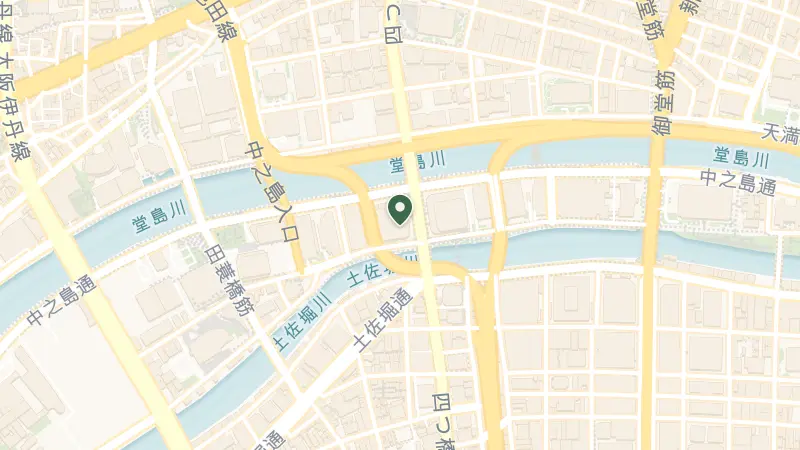
Conrad channels a measured, art-forward sensibility in its major-city properties, and the brand's Osaka address reflects this philosophy with curated installations and a design language rooted in the rhythms of Kansai commerce and culture. Nakanoshima, the narrow island between two branches of the Higashi-Yokobori River, has been the financial and administrative heart of Osaka since the city emerged as Japan's economic engine in the Edo period. The district still hums with the formality of banking headquarters and government offices, though modernist towers now rise where merchant warehouses once lined the canals.
Walk west from the property and you reach the stately neo-baroque facades of the Osaka Central Public Hall, a designated cultural landmark completed in 1918. East, the Museum of Oriental Ceramics holds one of the world's finest collections of Chinese and Korean pottery, its galleries flooded with soft northern light. The wider city sprawls beyond the riverbanks: a lattice of covered shopping arcades, street-food corridors thick with the smell of grilling takoyaki, and the neon clatter of Dotonbori's entertainment district just south across the water.
Osaka Itami International Airport sits eleven kilometres north, reachable in thirty minutes by limousine bus or the Osaka Metro's Midosuji Line via Umeda Station. Kansai International, the city's primary long-haul gateway, lies thirty-seven kilometres south on its man-made island, connected by direct rail to central Osaka.
HAJIME, a three-Michelin-star temple of molecular innovation just five hundred metres from the hotel, centres its dining room around a sculptural sphere depicting the Earth through overlapping images of cuisine. The menu follows the restaurant's guiding theme, "Dialogue with the Earth," with seasonal compositions that push technique to its edge. Two and a half kilometres west, Taian earns three stars for its tea-ceremony-inspired restraint, the modest eight-seat counter embodying the paradox of boundless feeling within a spare, clean space. Book a table well in advance for both.
Kuromon Ichiba Market, three kilometres south, has fed Osaka since the Edo period. Vendors sell fatty tuna sashimi and grilled unagi over charcoal, the narrow covered lanes loud with the snap of knives on cutting boards. The Osaka Central Fish Market operates at a larger scale two kilometres northwest, its early-morning auctions a testament to the city's ongoing role as a seafood distribution hub. Cultural depth runs deeper still eighteen kilometres south at the Mozu-Furuichi Kofun Group, where forty-nine earthen tombs built for ancient elites rise from the plateau above the Osaka Plain, some keyhole-shaped mounds spanning several hundred metres. Don't miss the viewing platform at Daisen Kofun, the largest burial mound in Japan.
Winter brings crisp mornings and pale light, temperatures hovering near freezing at dawn before climbing to eight or nine degrees by midday. The air stays dry, skies often clear, and the riverside walks feel sharp and bracing.
Spring arrives in sudden warmth, cherry blossoms unfurling along the canals in early April as temperatures push past eighteen degrees. Late May turns humid and soft, the prelude to June's rainy season, when the city slows under persistent drizzle and umbrellas crowd the arcades. July and August bring intense heat and heavy air, cicadas rattling in the plane trees, the mercury often exceeding thirty degrees.
Autumn restores clarity. September's lingering warmth gives way to October's crisp afternoons and golden evenings, the ginkgo trees along Midosuji Boulevard turning brilliant yellow by November. This is the best season to visit, when the humidity breaks and the city feels alive with purpose.
Frequently Asked Questions

Quotes are personally reviewed by Natasha Hardy, founder of The Uncommon Traveller
5.0 rating · 8 Google reviewsThere is no fee or markup. The hotel pays our commission.
Request a Quote 117 Bib Gourmand