Waldorf Astoria Osaka
When you book Waldorf Astoria Osaka in Japan through our Hilton for Luxury partnership, your stay includes breakfast for two and a hotel credit of USD 100 per stay. You also receive a one-category room upgrade when available. You continue earning Hilton Honors points and elite night credits. No premium credit card or membership needed: request a quote and our advisor books it at the same rate as booking direct.
Exclusive Booking Perks
These perks are included with your stay at the same rate as booking direct with the hotel.
- VIP guest status
- Complimentary breakfast for 2 guests
- USD100 hotel credit per stay (or local equivalent)
- Double Hilton Honors Points
- Upgrade to next room category (subject to availability)
Location
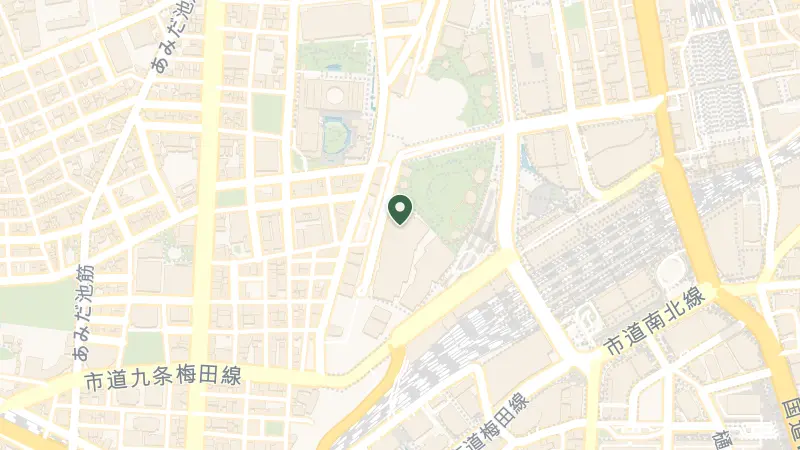
Waldorf Astoria carries the weight of grand-scale hospitality wherever it lands, and the Osaka property upholds that tradition with signature concierge teams and the True Waldorf Service programme that has defined the brand since its 1893 New York origins. The property stands in Kita Ward, one of Osaka's two central business districts, where glass towers rise above older merchant quarters and the energy shifts between boardroom formality by day and izakaya warmth after dark.
Osaka has always been a working city, built on commerce rather than imperial ceremony. By the Kofun period it was already an important port, and though it briefly served as the imperial capital in the 7th and 8th centuries, its true calling emerged during the Edo period when it became the nation's economic engine and a centre of Japanese culture. That merchant soul persists: this is a city that eats well, works hard, and speaks its own dialect with pride. The Higashi-Yokobori River threads through the urban fabric, a quiet artery in a metropolis of 2.8 million.
Osaka Itami International Airport lies 10 kilometres north, connected by frequent limousine buses and the monorail-subway combination. Kansai International Airport, 38 kilometres south on an artificial island, serves long-haul routes with express rail links running hourly.
Osaka's Michelin density rivals any city on earth, with 187 starred restaurants within 50 kilometres. HAJIME, 1.7 kilometres from the property, holds three stars for its Innovative cuisine built around the theme "Dialogue with the Earth"; a planet-like artwork dominates the dining room, overlapping images of food forming a portrait of the globe itself. Taian, 3.6 kilometres away, also claims three stars for Japanese cooking in a space so modest it recalls the tea ceremony's paradox of boundless feeling in a small, spare room. For breakfast provisions and street theatre, head to Osaka Central Fish Market, 2.5 kilometres south, or the more tourist-friendly Kuromon Ichiba Market at 4.4 kilometres, where vendors grill seafood over charcoal and sell Kansai pickles by the kilo.
Kyoto's UNESCO-listed Historic Monuments lie 40 kilometres east, reachable by limited express in under half an hour, while Nara's eighth-century temples sit 32 kilometres away. Book a table at Kashiwaya Osaka Senriyama (three stars, 7.5 kilometres north) to experience chef Hideaki Matsuo's devotion to the traditional cycle of twenty-four seasons, each dish calibrated to the Japanese agricultural calendar.
Winter arrives cold and bright, with January and February highs barely reaching nine degrees and morning frost on temple roofs. The light is sharp, the air dry, and hot sake becomes essential. Cherry blossoms arrive in late March as temperatures climb into the mid-teens, though spring rain is frequent and heavy through April and May.
June ushers in tsuyu, the plum rain season, when humidity thickens and afternoon downpours flood the streets. July and August are sweltering, with temperatures above 30 degrees and air that clings. Typhoons brush through in September, still warm but unsettled.
October is the ideal month: crisp, clear, with maples beginning to turn and temperatures in the low twenties. November brings peak autumn colour and comfortable walking weather before December's chill returns.
Frequently Asked Questions

Quotes are personally reviewed by Natasha Hardy, founder of The Uncommon Traveller
5.0 rating · 8 Google reviewsThere is no fee or markup. The hotel pays our commission.
Request a Quote 117 Bib Gourmand