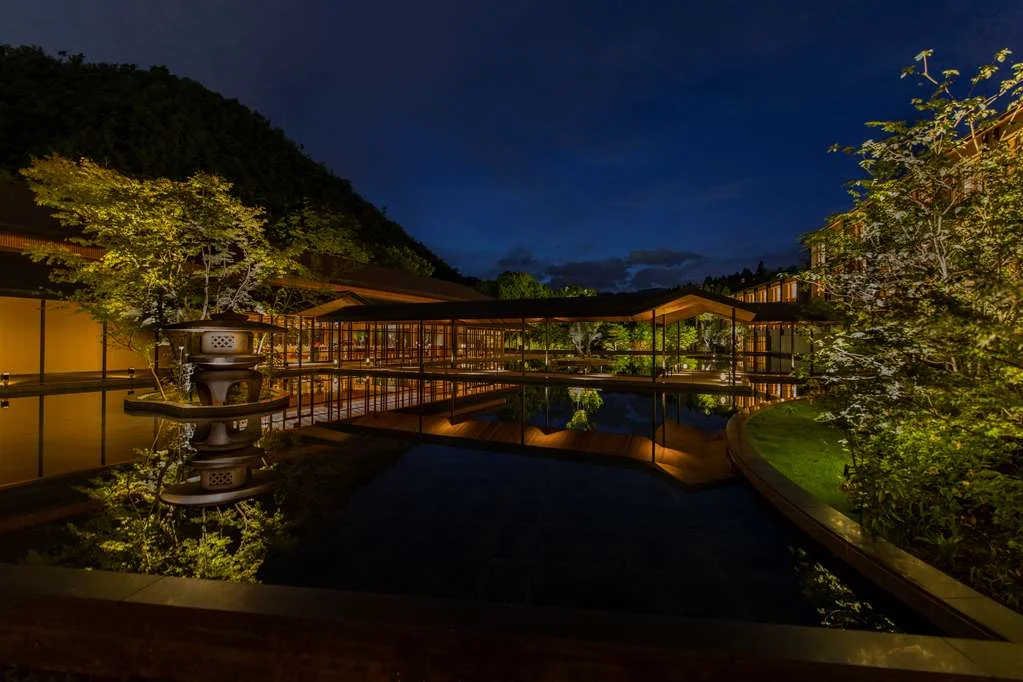
ROKU KYOTO, LXR Hotels & Resorts
When you book ROKU KYOTO, LXR Hotels & Resorts in Japan, through our Hilton for Luxury partnership, your stay includes breakfast for two and a hotel credit of USD 100 per stay. You also receive a one-category room upgrade when available. No premium credit card or membership needed: request a quote and our advisor books it at the same rate as booking direct.
Special Offer: Free night
Hilton Luxury Exclusive Offers Enjoy Stay 3 Pay 2 at ROKU KYOTO, LXR Hotels & Resorts, as part of Hilton's Luxury Exclusive Offers sale.This limited-time offer is valid for bookings made between March 4, 2026 and March 31, 2030 for stays between April 21, 2025 and March 31, 2030.
Exclusive Booking Perks
These perks are included with your stay at the same rate as booking direct with the hotel.
- VIP guest status
- Complimentary breakfast for 2 guests
- USD100 hotel credit per stay (or local equivalent)
- Double Hilton Honors Points
- Upgrade to next room category (subject to availability)
Guest feedback
9.4/10 from 99 guest reviews
Read what guests commentedBy category
Guests liked
- Great service
- Beautiful property
- Exceptional dining
Points to consider
- Poor shuttle service
- Limited spa features
- Missing breakfast items
Location
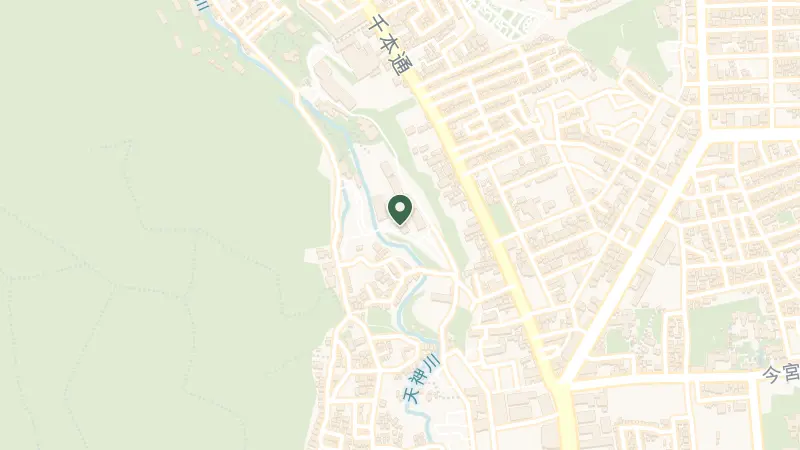
ROKU KYOTO, part of the LXR Hotels & Resorts collection, sits in the Takagamine district of Kita Ward, a quiet pocket north of central Kyoto where the foothills of the Northern Higashiyama mountains begin to rise. This is not the Kyoto of temple-hopping crowds, but a neighborhood where moss gardens and cedar groves frame centuries-old teahouses, and the Kamo River threads through stone embankments bordered by willows. Takagamine has long been an artists' quarter, home to calligraphers and potters drawn to its seclusion and proximity to the forested slopes where autumn maples burn scarlet come November.
Kyoto itself was the imperial capital for over a millennium, from 794 until the Meiji Restoration in 1869, and the city still moves to a rhythm shaped by that deep history. The grid layout follows the ancient feng shui principles of Chang'an, the Tang dynasty capital, and remnants of courtly refinement linger in the language of seasonal sweets, the choreography of tea ceremony, and the formality of kaiseki cuisine. The Historic Monuments of Ancient Kyoto, a UNESCO World Heritage collection of seventeen temples, shrines, and castles scattered across the city and neighboring Uji and Otsu, anchor the cultural landscape.
From Osaka Itami International Airport, 40 kilometers southeast, express buses reach Kyoto in under an hour. Kansai International Airport, 82 kilometers south, connects via the JR Haruka limited express.
Within walking distance, the Ryumon Taki waterfall spills over moss-slick stones, a short forest trail leading to its quiet basin. The neighborhood's heritage as a refuge for artisans means studios and small galleries appear along sloping lanes, offering lacquerware and handmade washi paper. For Michelin-starred dining, venture five kilometers south to Isshisoden Nakamura, a three-star kaiseki restaurant where sixth-generation chef Motokazu Nakamura builds menus around fish carried from Wakasa Bay, just as his ancestors did when the house began as a travelling fishmonger. Six kilometers east, Hyotei holds three stars within a shadowed tea arbour and moss garden, its wabi-sabi aesthetic alive in channels of water drawn from Lake Biwa and stone lanterns darkened by centuries of rain. Gion Sasaki, another three-star kaiseki destination 6.5 kilometers away, showcases chef Hiroshi Sasaki's exacting seasonal compositions.
The Nishiki Market, 5.5 kilometers south in central Kyoto, stretches for five blocks under corrugated awnings, vendors selling tsukemono pickles, fresh yuba tofu skin, and grilled unagi. Book a table at Hyotei in late autumn when persimmons appear on the menu, their astringency balanced against house-cured mackerel.
Winter arrives sharp and clear, temperatures dropping to near freezing in January while temple gardens lie dusted in occasional snow. The light is brittle and white, the air dry enough to preserve lacquerware and scrolls.
Spring builds slowly, cherry blossoms erupting in early April as temperatures climb past 17 degrees. The city swells with visitors, but Takagamine's northern remove offers breathing room. June brings tsuyu, the rainy season, when humidity settles over the city and hydrangeas bloom along temple paths.
Summer is hot and thick, temperatures reaching 30 degrees, cicadas shrieking from cryptomeria groves. Autumn is Kyoto's finest hour, October and November painting the mountains crimson and gold, the air crisp and forgiving after the humid months.
Frequently Asked Questions

Quotes are personally reviewed by Natasha Hardy, founder of The Uncommon Traveller
5.0 rating · 8 Google reviewsThere is no fee or markup. The hotel pays our commission.
Request a Quote 114 Bib Gourmand