The St. Regis Osaka
When you book The St. Regis Osaka in Japan through our Marriott STARS partnership, your stay includes daily breakfast for two and a $100 USD hotel credit once per stay. You also receive a room upgrade, early check-in and late check-out when available. You continue earning Marriott Bonvoy points and elite night credits. No premium credit card or membership needed: request a quote and our advisor books it at the same rate as booking direct.
Exclusive Booking Perks
These perks are included with your stay at the same rate as booking direct with the hotel.
- Personalized and customized amenity
- Complimentary breakfast daily for two guests per room
- All STARS hotels offer a hotel credit valued at $100 USD (once per stay)
- Early check-in and late check-out (when available)
- Complimentary upgrade (if available at check-in)
Location
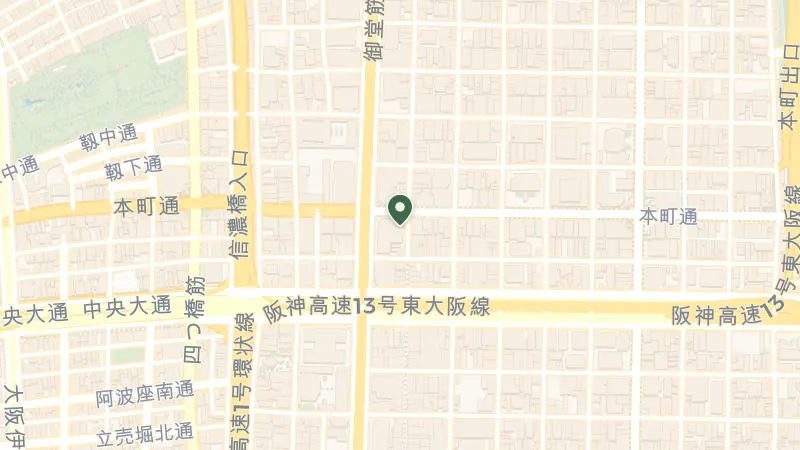
St. Regis carries the formality and cultural attentiveness of its New York heritage into every property, including Osaka, where the brand's signature butler service and refined interiors meet the city's mercantile energy. This is a destination built on commerce and appetite, a place that has fed Japan's ambitions since the Kofun period, when it served as a regional port. By the Edo period, Osaka had become the nation's kitchen, its merchants dictating rice prices while kabuki theatres and pleasure quarters flourished along the canals.
The hotel sits in Chūō Ward, the central district where business towers rise above older machiya townhouses and narrow streets still hum with the clatter of izakaya kitchens. Walk east and you reach the Higashi-Yokobori River, a quiet thread of water threading through the dense urban fabric. To the south, Dōtonbori's neon-lit chaos announces itself with the smell of takoyaki batter and the mechanical clatter of pachinko parlours.
Osaka Itami International Airport lies twelve kilometres north, connected by frequent limousine buses that thread through the city's expressways. Kansai International Airport, the larger gateway, sits thirty-seven kilometres south on a man-made island in Osaka Bay.
On-property dining centres on two distinct approaches. Teppanyaki WAJO reinterprets the form with French technique, transforming wagyu steak through a double sauce of soy and red wine, while Brasserie RÉGINE offers seasonal prix fixe menus supervised by the chef from Tokyo's Ryuzu, honouring French tradition with careful ingredient sourcing. For a deeper culinary statement, book a table at HAJIME, less than a kilometre south. This three-Michelin-starred restaurant structures its menu around "Dialogue with the Earth", a concept made literal by an artwork resembling a planet that dominates the dining room, images of cuisine overlapping to form a picture of the globe itself. The cooking is as considered as the symbolism.
Kuromon Ichiba Market, just over two kilometres southwest, is where Osaka's appetite takes tangible form. Vendors sell live scallops, fatty tuna cut to order, and grilled unagi with a char that perfumes entire alleyways. The stalls open early; arrive before mid-morning for the full theatre. Further afield, the Mozu-Furuichi Kofun Group (seventeen kilometres) comprises forty-nine keyhole-shaped burial mounds from the Kofun period, raised for members of the elite between the fourth and sixth centuries. The scale of these earthen monuments, some covered in forest, speaks to an ancient hierarchy of power and craft.
Winter settles over Osaka with sharp clarity, temperatures hovering near freezing at night while days reach eight or nine degrees. The air is dry, the light pale and slanting, ideal for walking the city's covered arcades without the weight of summer humidity.
Spring arrives with force in April and May, temperatures climbing past twenty degrees as cherry blossoms flush pink along the rivers. Rain intensifies through June, the tsuyu season wrapping the city in grey skies and steady drizzle. July and August push past thirty degrees with thick humidity, the air heavy enough to make even short walks feel laboured.
Autumn brings the city's finest weather. September still holds summer's warmth but October gentles into crisp, golden days, the maples around Osaka Castle turning crimson against cloudless skies. November cools further, the streets taking on the hushed anticipation of winter's approach.
Frequently Asked Questions

Quotes are personally reviewed by Natasha Hardy, founder of The Uncommon Traveller
5.0 rating · 8 Google reviewsThere is no fee or markup. The hotel pays our commission.
Request a Quote 117 Bib Gourmand