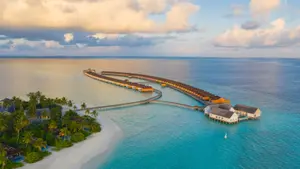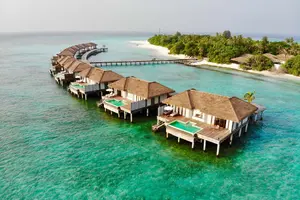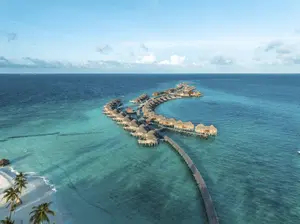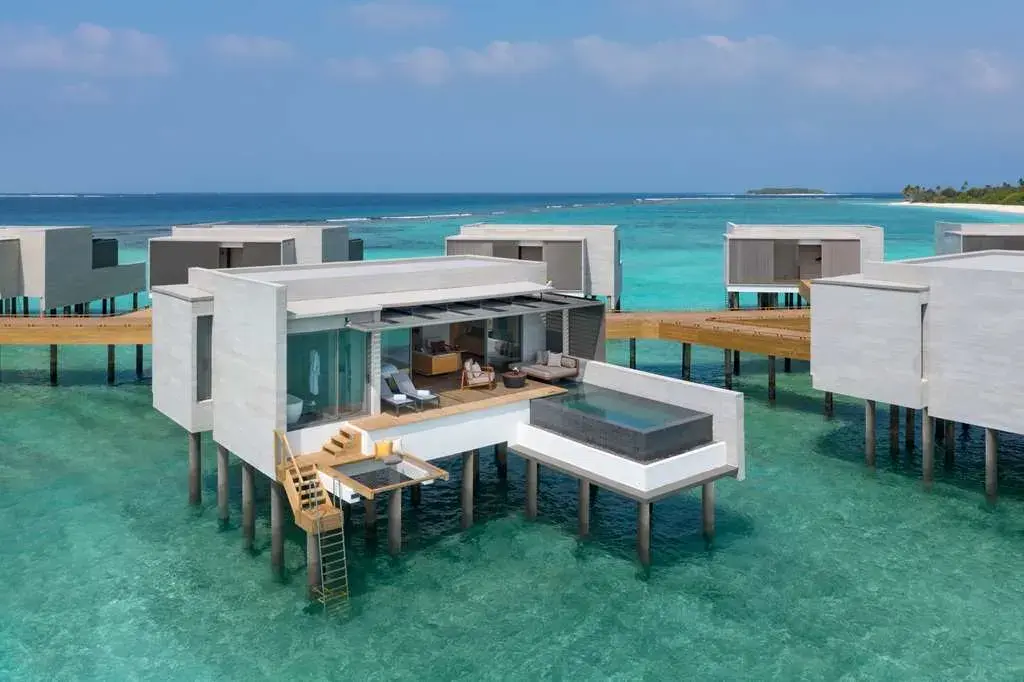
Alila Kothaifaru Maldives
When you book Alila Kothaifaru Maldives in Raa Atoll, Maldives, through our Hyatt Privé partnership, your stay includes daily full breakfast for up to two guests and a property credit. You also receive a priority room upgrade when available. You continue earning World of Hyatt points and elite night credits. No premium credit card or membership needed: request a quote and our advisor books it at the same rate as booking direct.
Special Offer
Hyatt Privé Daily Resort Credit Indulge in the ultimate retreat with an exclusive daily USD 100 resort credit (up to USD 500 per stay), applicable on all Hyatt Privé bookings.
Exclusive Booking Perks
These perks are included with your stay at the same rate as booking direct with the hotel.
- Welcome amenity provided to guests upon arrival.
- Daily complimentary full breakfast at a hotel restaurant for up to two guests.
- Property credit (value varies by property).
- Priority for room upgrade (response within 24 hours of booking, subject to forecasted occupancy).
- Early check-in/late check-out/connecting rooms (response within 24 hours of request, subject to forecasted occupancy).
Guest feedback
9.5/10 from 81 guest reviews
Read what guests commentedBy category
Guests liked
- Great service
- Beautiful location
Points to consider
- Dinner quality below expectation
- Bathtub issue
Location
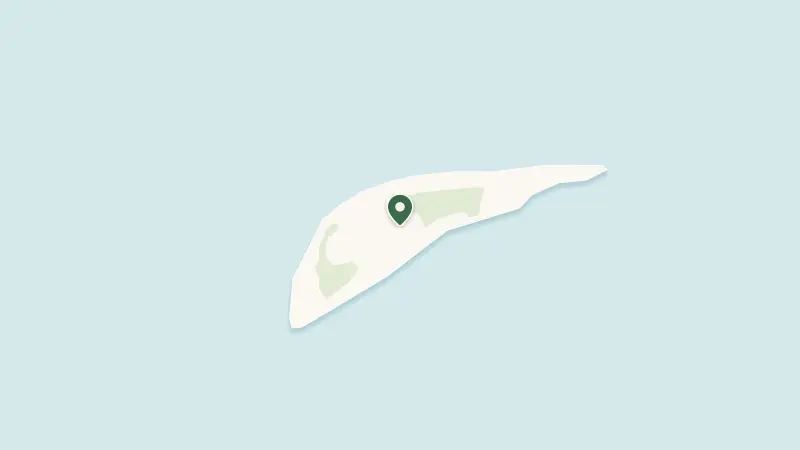
Alila brings its signature philosophy of unexpected design detail and community immersion to one of the Maldives' most geographically complex atolls. Raa Atoll stretches 56 kilometres north to south, its lagoon dense with coral patches and fringed by a series of irregularly placed oval reefs that set it apart from the archipelago's more orderly formations. The atoll marks the eastwest divide of the Maldivian chain, a threshold where ocean currents shift and the underwater topography grows intricate. This is the Maldives at its most raw: waters that plunge to unmeasured depths between reef systems, a scattering of inhabited islands (more than any other atoll in the country), and a sense of remoteness that even seaside transfers cannot diminish.
The capital, Ungoofaaru, lies elsewhere in the atoll, leaving the property's island to a quieter rhythm. The Indian Ocean here shows its full character: gin-clear shallows over sand give way abruptly to cobalt channels where pelagic life congregates. The light is equatorial and precise, shadowless at midday, gold-edged at dawn and dusk.
Arrival by seaplane from Velana International Airport, 167 kilometres south, takes roughly 45 minutes and delivers a vivid sense of the atoll's scattered geography. For those arriving via Maafaru International Airport, 76 kilometres away, the transfer is shorter but the journey's drama no less.
The property centres its experience on the surrounding lagoon and reef system. Snorkelling and diving here reveal the topographical quirks noted in Admiralty charts: submerged giri rising sharply from sand, swim-throughs in coral walls, schools of fusiliers and snappers moving in unison through channels. The density of reef structures in Raa Atoll's southwestern quarter creates a labyrinth of marine environments within a short boat ride. Night dives and manta encounters follow seasonal patterns; whale shark sightings peak during the northeast monsoon. Spa Alila treatments incorporate Maldivian coconut and seaweed, often delivered in overwater pavilions where the only sound is water lapping at stilts.
Beyond the reef, the atoll's cultural fabric becomes visible. Kandholhudhu Island, marked on nautical charts for having the Maldives' highest concentration of small reefs and shoals, lies within reach for those curious about traditional navigation techniques still practiced by local dhoni captains. Book a guided visit to a nearby fishing village to see lacquer work and rope-making, crafts sustained by generations of islanders whose livelihoods have always depended on reading these unpredictable waters.
The dry northeast monsoon, from January through March, brings the year's steadiest conditions. Temperatures hover in the high twenties, humidity drops slightly, and the sea flattens to glass on windless mornings. February sees the least rain and the clearest visibility for diving.
The southwest monsoon, May through October, delivers afternoon squalls and heavier swells, though rainfall often arrives in short, torrential bursts rather than lingering overcast. The ocean takes on a choppier personality; serious divers prize this period for nutrient-rich upwellings that draw mantas and sharks closer to the atolls.
November and December mark the transition: skies clear gradually, humidity lingers, and the year's warmest waters peak just before the monsoon shift. The equatorial sun maintains its intensity year-round, casting the same brilliant glare across lagoons whether in January or July.
Frequently Asked Questions

Quotes are personally reviewed by Natasha Hardy, founder of The Uncommon Traveller
5.0 rating · 8 Google reviewsThere is no fee or markup. The hotel pays our commission.
Request a Quote