Amilla Maldives
When you book Amilla Maldives in Baa Atoll, Maldives, through our withIN by SLH partnership, your stay includes daily continental breakfast for two and a hotel credit of $50-$100 USD per stay. You also receive a one-category room upgrade and early check-in when available. No premium credit card or membership needed: request a quote and our advisor books it at the same rate as booking direct.
Exclusive Booking Perks
These perks are included with your stay at the same rate as booking direct with the hotel.
- A credit worth $50-$100 (USD) per room, per stay to be spent only on extras such as F&B or Spa, only on property and during the stay
- Daily Continental breakfast for two people
- Room upgrade to next room category, subject to availability at the time of check-in
- Early check-in, subject to availability at the time of check-in
- Late check-out, subject to availability
Guest feedback
9.8/10 from 336 guest reviews
Read what guests commentedBy category
Guests liked
- Exceptional service
- Stunning location
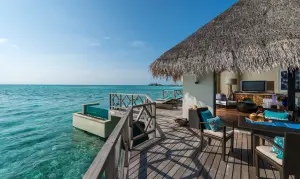
- Spacious accommodations
Location
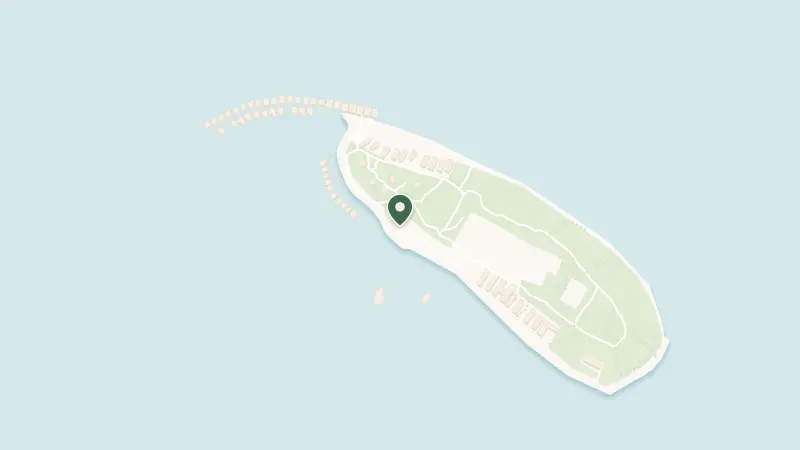
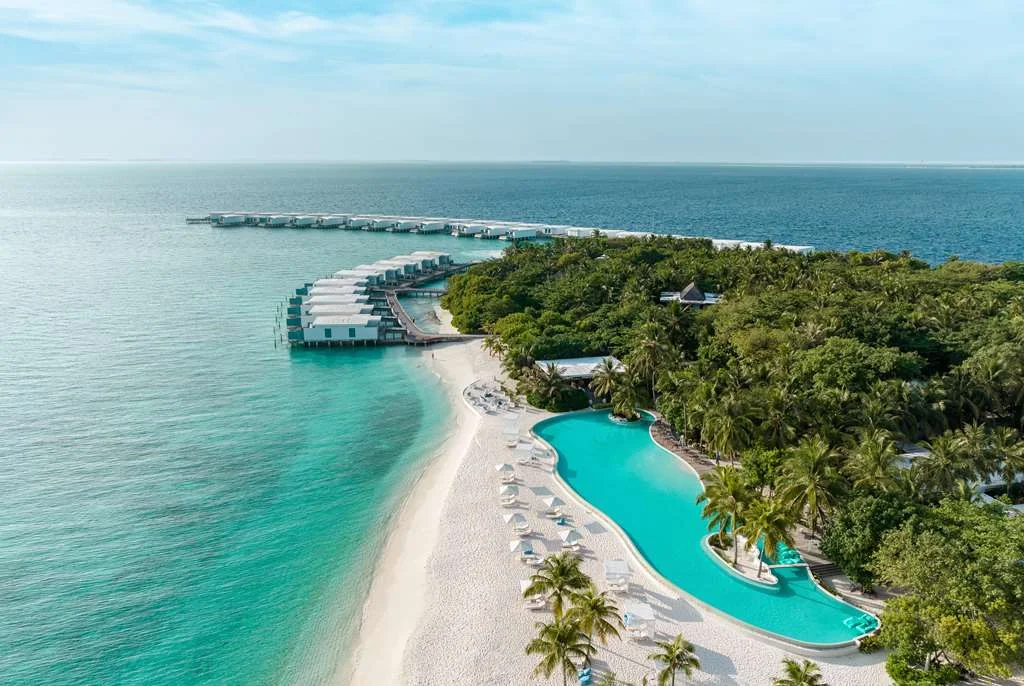
Baa Atoll floats on the western edge of the Maldivian chain, a UNESCO Biosphere Reserve where manta rays spiral through cleaning stations and whale sharks glide past uninhabited islands. The atoll is formed from three natural atolls: southern Maalhosmadulu, the compact Fasdūtherē wedged between channels, and the smaller Goifulhafehendhu. Of its 75 islands, only 13 are inhabited, leaving stretches of powder-white sand and turquoise lagoons untouched. Thulhaadhoo Island, a short boat ride away, has been turning out intricate lacquerwork for centuries, the craft passed down through generations of artisans.
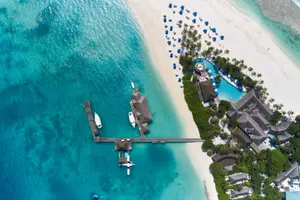
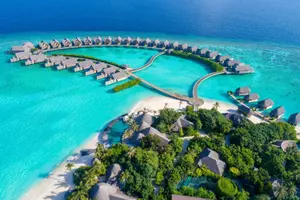
The property sits within this constellation of coral and sand, reachable by seaplane from Velana International Airport, 125 kilometres southeast. The flight traces a route over the central atolls, the Indian Ocean appearing in gradients of jade, sapphire, and ink as the reef shelf drops away. Arrival here is a shift in register: the hum of the capital replaced by the rhythmic slap of waves and the calls of frigatebirds wheeling overhead.
The surrounding waters teem with life. Dive sites like Kuda Gaa and Bodu Gaa lie within six kilometres, their drop-offs and thilas drawing schools of batfish and napoleon wrasse. The house reef runs along both east and west flanks, accessible directly from the island.
The house reef is the property's greatest asset, a living wall of coral where currents sweep nutrients past soft corals and gorgonians. Snorkelling the eastern channel at dawn often yields encounters with eagle rays and reef sharks. Dhigu Thila, seven kilometres out, is a pinnacle dive where barracuda swirl in silver tornados and turtles drift past overhangs crusted with anemones. Book a sunset dhoni trip to Hanifaru Bay during the southwest monsoon, when mantas arrive by the dozen to feed on plankton blooms, their wingspans casting shadows across the sandy floor.
On land, Thulhaadhoo Island offers a glimpse of traditional Maldivian craft. Workshops there still produce lacquerwork using centuries-old techniques: wood turned on hand-operated lathes, layered with resin and gold leaf, then etched with geometric patterns. Turtle Beach and Dolphin Beach, around 14 kilometres from the property, are quieter stretches where the only footprints are those of nesting hawksbills. Start your mornings with the water: the light at first break transforms the lagoon into a sheet of glass, every coral head visible beneath.
The driest months run from January through April, when temperatures hover around 27 to 29 degrees and the northeast monsoon delivers steady winds and clear skies. March sees the least rainfall, the water visibility stretching past 30 metres on outer reef dives. The light is sharp, the air dry enough that humidity never clings.
The southwest monsoon arrives in May and settles in through October, bringing heavier rains and swells that churn the western channels. Despite the precipitation, mornings often break clear, and the plankton blooms during this period draw manta rays and whale sharks to feeding grounds like Hanifaru Bay. Underwater life peaks now, even as the weather turns fickle.
November and December transition back toward calmer seas, though afternoon showers persist. The atoll empties of seasonal visitors, and the reefs regain their stillness. For diving and snorkelling, the shoulder months of April and November balance good visibility with fewer crowds.
Frequently Asked Questions

Quotes are personally reviewed by Natasha Hardy, founder of The Uncommon Traveller
5.0 rating · 8 Google reviewsThere is no fee or markup. The hotel pays our commission.
Request a Quote