Milaidhoo Maldives
When you book Milaidhoo Maldives in Baa Atoll, Maldives, through our Fora Reserve partnership, your stay includes daily buffet breakfast for up to two guests. Your stay also includes a $100 USD resort or hotel credit. You also receive early check-in and late check-out when available. No premium credit card or membership needed: request a quote and our advisor books it at the same rate as booking direct.
Exclusive Booking Perks
These perks are included with your stay at the same rate as booking direct with the hotel.
- Upgrade on arrival, subject to availability (excluding Residences)
- Daily Buffet breakfast for up to two guests per bedroom, served in the restaurant
- $100 USD equivalent Resort or Hotel credit to be utilized during stay (not combinable, not valid on room rate, no cash value if not redeemed in full)
- 60-minute massage for up to two people, per room, once during stay
- Early Check-In / Late Check-Out, subject to availability
Guest feedback
9.5/10 from 88 guest reviews
Read what guests commentedBy category
Guests liked
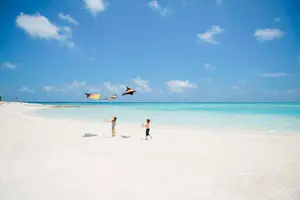
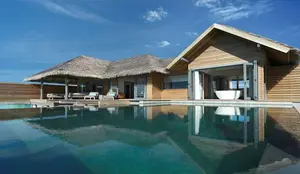
- Beautiful property and island setting
- Outstanding, friendly staff
- Incredible food and restaurant experience
Points to consider
- Vacation was too short
- No significant negatives reported
Location
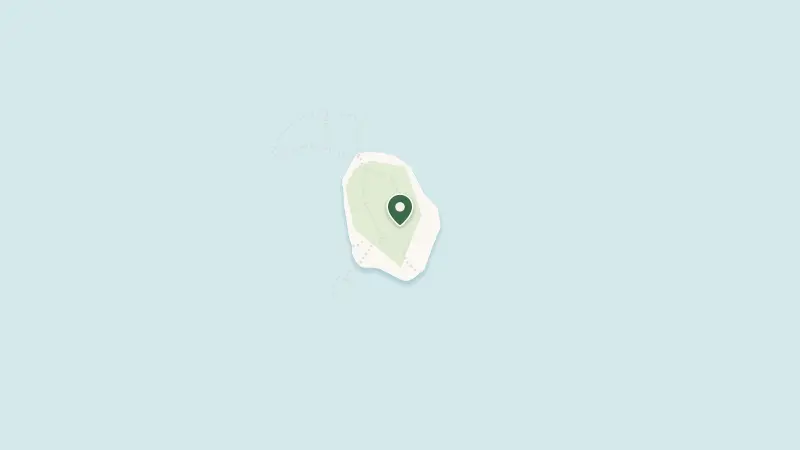
Milaidhoo sits within Baa Atoll, a UNESCO Biosphere Reserve 128 kilometres northwest of Malé across the Indian Ocean. This is the Maldives at its most elemental: a scatter of 75 islands, only 13 inhabited, where the boundary between sea and sky blurs into infinite gradations of turquoise. The atoll sprawls across three distinct natural formations, separated by deep channels where manta rays gather in seasonal congregations. Thulhaadhoo Island, a short seaplane hop away, remains known for traditional lacquerwork, one of the few cultural threads that survived centuries of maritime trade and colonial mapping (the British Admiralty once charted Goifulhafehendhu as Horsburgh Atoll).
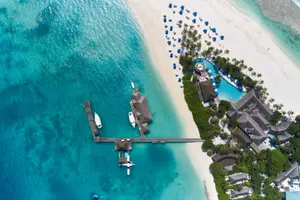
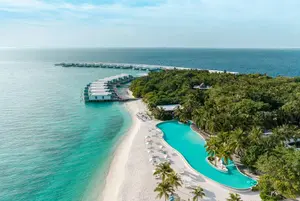
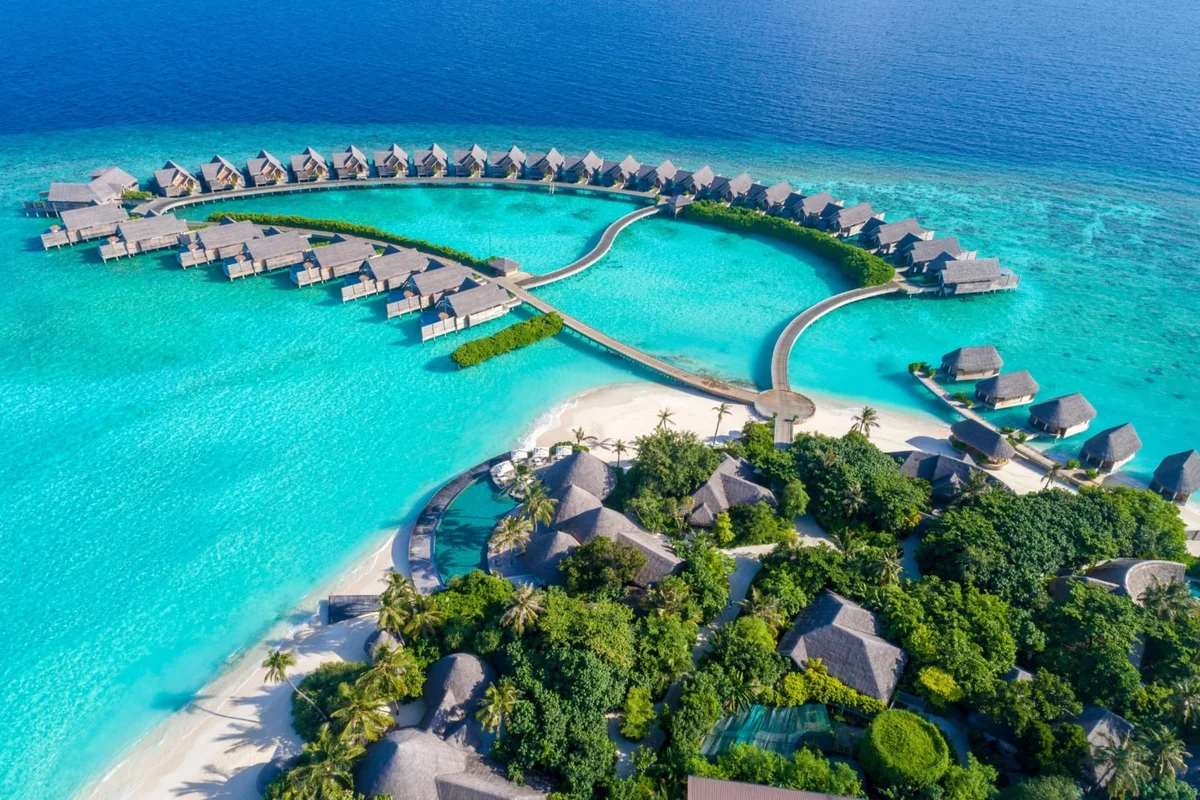
The property occupies its own small island, a five-acre footprint of powdered coral ringed by house reef. Beyond the shore, the atoll's uninhabited islands rise like punctuation marks in the lagoon. Arrival is by seaplane from Velana International Airport, a 40-minute flight that tracks the necklace of atolls stretching down the western edge of the archipelago.
The rhythm here is tidal. Mornings arrive with flat calm and the sound of reef herons. By afternoon, the sea breeze picks up, stirring the palms. After dark, bioluminescence traces the waterline in electric blue.
The house reef delivers some of the atoll's most accessible diving: Housereef West and Housereef East lie just offshore, shallow gardens where hawksbill turtles graze and blacktip sharks patrol the drop-off. For deeper exploration, dhoni boats run to Dhonfanu Thila, ten kilometres north, a submerged pinnacle thick with fusiliers and occasional manta encounters during the southwest monsoon. Kuda Gaa and Bodu Gaa, both nine kilometres out, offer drift dives along steep walls where currents carry nutrients and pelagics. Book a sunset excursion to one of the uninhabited sandbanks; the atoll is scattered with them, temporary islands that shift with the tides.
On the island itself, the focus narrows to what grows and what swims. Snorkelling the shallows at high tide brings you face to face with juvenile rays and parrotfish loud enough to hear underwater. The kitchen sources seafood daily from local fishermen, and the menu tilts heavily toward grilled reef fish and Maldivian curries built on coconut, curry leaf, and Scotch bonnet heat. Evenings settle into unhurried rituals: sundowners on the sandbar, the sky fading from gold to indigo in minutes.
December through April delivers the dry northeast monsoon, when skies stay clear and the sea flattens to glass. Visibility underwater peaks in March, the hottest and driest month, with surface temperatures climbing past 28°C. This is high season: calm crossings, dependable sunshine, the kind of light that photographers covet.
May marks the shift. The southwest monsoon brings heavier swells and afternoon squalls, though rain rarely lasts more than an hour. June through November sees the atoll at its greenest, the air thick with humidity, the ocean restless. Manta rays gather at cleaning stations during these months, drawn by plankton blooms stirred up by the rougher seas.
February and March offer the driest windows. The water stays warm year-round, never dipping below 26°C, but the monsoonal pivot in May and October can make boat transfers choppy and diving more challenging.
Frequently Asked Questions

Quotes are personally reviewed by Natasha Hardy, founder of The Uncommon Traveller
5.0 rating · 8 Google reviewsThere is no fee or markup. The hotel pays our commission.
Request a Quote