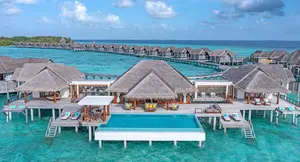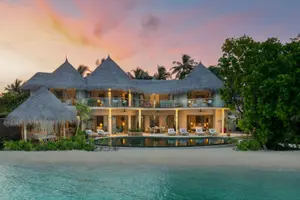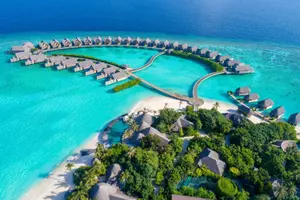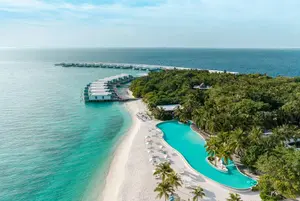
Soneva Fushi
When you book Soneva Fushi in Baa Atoll, Maldives, through our Virtuoso partnership, your stay includes daily breakfast for up to two guests and a $100 USD resort or hotel credit. You also receive a room upgrade, early check-in and late check-out when available. No premium credit card or membership needed: request a quote and our advisor books it at the same rate as booking direct.
Exclusive Booking Perks
These perks are included with your stay at the same rate as booking direct with the hotel.
- Upgrade on arrival, subject to availability
- Daily breakfast for up to two guests per bedroom, served in the restaurant (already included in property rates)
- $100 USD equivalent Resort or Hotel credit to be utilized during stay (not combinable, not valid on room rate, no cash value if not redeemed in full)
- Early check-in / Late check-out, subject to availability
Location
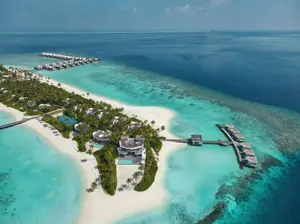
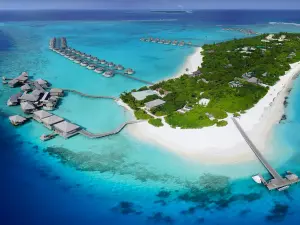
Baa Atoll stretches across the western edge of the Maldives, a constellation of 75 islands scattered across three natural atolls where the Indian Ocean burns turquoise under equatorial light. Only 13 islands sustain permanent communities; the rest remain uninhabited ribbons of sand and coconut palms, or house just a single resort each. This is the Maldives at its most elemental: powder-fine beaches, reefs that drop into deep channels, the rhythmic pulse of tides shaping every hour.
The atoll's capital, Eydhafushi, sits a short distance across the water, while nearby Thulhaadhoo Island maintains its centuries-old tradition of lacquerwork, a craft handed down through generations of artisans who coat turned wood in layers of resin and colour. Dolphin Beach and Turtle Beach lie within easy reach of the property, their names earned through reliable sightings rather than marketing flourish.
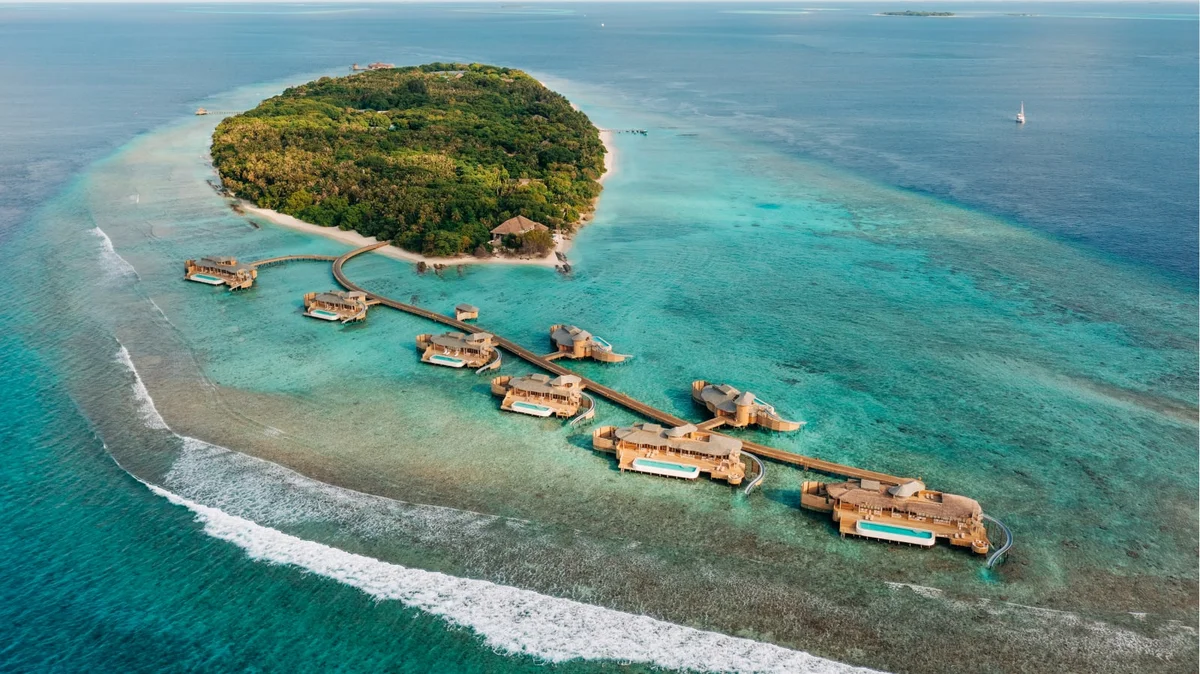
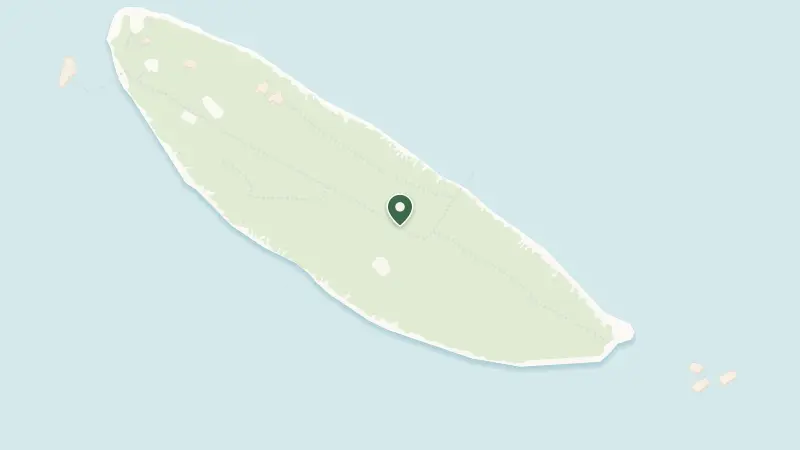
Soneva Fushi occupies its own private island, accessible by speedboat from Maafaru International Airport, 90 kilometres north, or seaplane from Velana International Airport near Malé, 114 kilometres southeast. The journey becomes part of the arrival: open water, the coral atolls emerging like mirages, the sense of stepping away from the rest of the world.
The reefs encircling Baa Atoll draw divers to sites like Dharavandhoo Thila and Dhigu Thila, seven kilometres offshore, where manta rays glide through nutrient-rich currents during the southwest monsoon. Kuda Gaa and Bodu Gaa, just beyond, offer drift dives along coral walls that descend into the blue. Snorkelling here requires little more than stepping off the beach; the house reef teems with parrotfish, butterflyfish, and blacktip reef sharks patrolling the shallows. The UNESCO Biosphere Reserve status protects these waters, and it shows in the density of marine life.
On land, the property's unhurried rhythm encourages long afternoons spent barefoot, the island'sNo News, No Shoes philosophy woven into every corner. Book a dhoni excursion to nearby uninhabited islands for Robinson Crusoe solitude, or visit Thulhaadhoo to watch lacquerwork artisans apply their meticulous craft. Evenings unfold under constellations so dense they blur into rivers of light, the kind of darkness that city dwellers forget exists.
The dry northeast monsoon, from January through March, delivers the clearest skies and calmest seas, with temperatures hovering around 28°C and humidity that feels less oppressive than the rest of the year. This is the Maldives at its most postcard-perfect: glassy lagoons, steady breezes, visibility stretching to the horizon.
April and May grow hotter and still, the air thickening before the southwest monsoon arrives in June. Rain comes in bursts rather than all-day downpours, often clearing by mid-morning, and the seas churn just enough to stir up nutrients that attract manta rays to the atoll's channels.
The wettest months, October and November, see brief but intense afternoon showers, though temperatures remain steady in the mid-to-high twenties. The landscape glows green after rain, and the lower visitor numbers bring a deeper sense of seclusion. December transitions back toward drier conditions, the lagoons settling into their signature cyan stillness.
Frequently Asked Questions

Quotes are personally reviewed by Natasha Hardy, founder of The Uncommon Traveller
5.0 rating · 8 Google reviewsThere is no fee or markup. The hotel pays our commission.
Request a Quote