JOALI BEING
When you book JOALI BEING in Raa Atoll, Maldives, through our Virtuoso partnership, your stay includes daily full breakfast for up to two guests. Your stay also includes a $250 USD hotel credit once per stay. You also receive a room upgrade, early check-in and late check-out when available. No premium credit card or membership needed: request a quote and our advisor books it at the same rate as booking direct.
Exclusive Booking Perks
These perks are included with your stay at the same rate as booking direct with the hotel.
- Upgrade on arrival, subject to availability
- Daily full breakfast for up to two guests per bedroom, served in the hotel restaurant
- $250 USD equivalent Wellbeing credit per room, once per stay (not combinable, not valid on room rate, no cash value if not redeemed in full)
- Early Check-In / Late Check-Out, subject to availability
Location
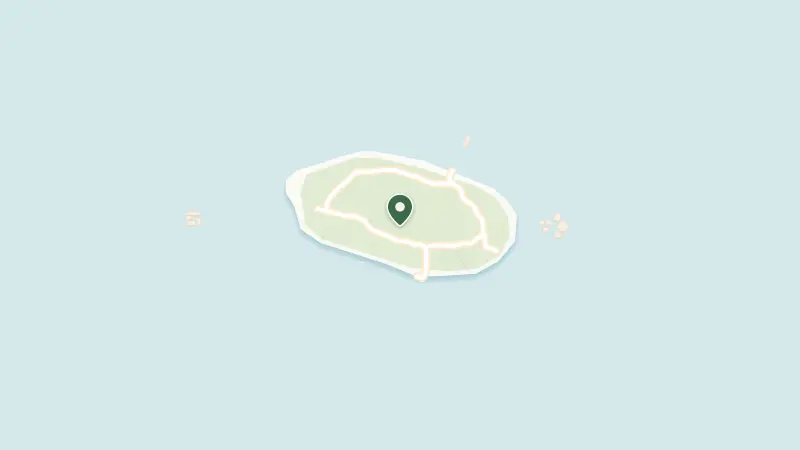
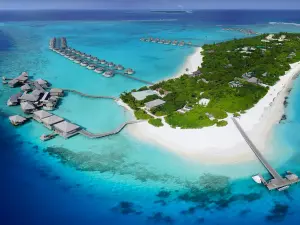
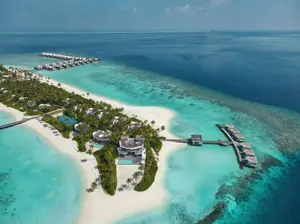
JOALI BEING occupies a private island in Raa Atoll, the northernmost administrative division in the Maldives with the country's highest concentration of inhabited islands. This is a different Maldives from the well-trodden atolls closer to Malé: quieter, more remote, with lagoons so densely stippled with coral patches that navigating by dhoni feels like threading through a living maze. The atoll's western edge fractures into a series of oval reefs, each faru separated by channels of startling depth, while the interior waters hold steady at twenty-five fathoms, a blue so saturated it reads almost violet at midday. The capital, Ungoofaaru, sits miles away across open water, leaving this island to the rhythms of tides and the occasional passing frigate bird.
Raa Atoll marks the geographic division point between the Maldives' eastern and western atolls, a fact that lends the area a sense of threshold and transition. The nearest landfall is Kinolhas Harbour, nearly ten kilometres south, but this island exists in its own orbit. The property is oriented entirely toward the lagoon and the house reef that rings the shore, where blacktip sharks patrol the shallows at dawn.
Arrival requires a seaplane from Velana International Airport, 159 kilometres to the south, or a domestic flight to Maafaru International Airport (65 kilometres) followed by a speedboat transfer. The journey is part of the ritual: the air above the Indian Ocean streaming past in bands of turquoise and cobalt, the sudden hush as the engines cut and the island appears.
The property is built around the concept of wellbeing as a central practice, not an afterthought, and every element on the island follows that thread. Dining here is treated as therapy: meals are designed in consultation with Ayurvedic practitioners and nutritionists, and the kitchen can prepare vegan tasting menus or gut-healing broths depending on your programme. The house reef is accessible directly from the beach, and the morning snorkel before breakfast has become a kind of secular meditation for guests, the water clear enough to count the polyps on staghorn coral. No Michelin-starred restaurants exist within reach, but that absence is the point: this is a place to reset, not to chase.
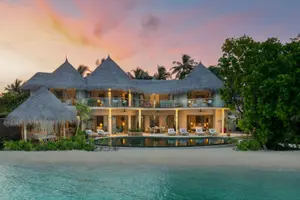
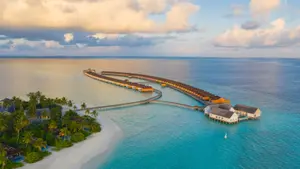
The island itself is small enough to cross on foot in fifteen minutes, and most days are structured around the rhythm of treatments, movement classes, and meals rather than excursions. A traditional Maldivian cooking class can be arranged with advance notice, focusing on mas huni and garudhiya, dishes that depend on the tuna landed each morning at Kinolhas. Book a sound healing session in the overwater pavilion at sunset, when the light turns the lagoon into hammered bronze. The island's stillness is the experience.
The Maldives holds steady near the equator, and temperatures in Raa Atoll vary by only a few degrees across the year, the highs hovering in the high twenties. What shifts is the quality of the light and the behaviour of the ocean. December through April is the dry northeast monsoon season, when skies stay cloudless for days and the lagoon turns glassy, the best months for snorkelling and uninterrupted sun.
May through November brings the southwest monsoon, heavier rains, and choppier seas, though storms usually arrive as brief afternoon squalls that clear by evening. The air grows thicker, the greens more saturated. October sees the heaviest rainfall, but even then the warmth never breaks.
The shoulder months of late April and early November offer a sweet spot: fewer guests, calmer waters returning or still holding, and rates that edge lower. For a wellbeing retreat, any season works; the ocean stays warm year-round, and the island's inward focus makes weather almost irrelevant.
Frequently Asked Questions

Quotes are personally reviewed by Natasha Hardy, founder of The Uncommon Traveller
5.0 rating · 8 Google reviewsThere is no fee or markup. The hotel pays our commission.
Request a Quote