Anantara New York Palace Budapest Hotel
When you book Anantara New York Palace Budapest Hotel in Hungary through our Anantara Journeys partnership, your stay includes welcome amenities. You also receive a room upgrade when available. No premium credit card or membership needed: request a quote and our advisor books it at the same rate as booking direct.
Exclusive Booking Perks
These perks are included with your stay at the same rate as booking direct with the hotel.
- Unique local experience at each hotel
- 24-hour check-in & check-out (upon availability)
- Destination-specific gift in the room
- VIP status and welcome amenities
- No walk-out policy (except the cases of hotel buyout)
- Upgrade upon arrival (upon availability)
Location
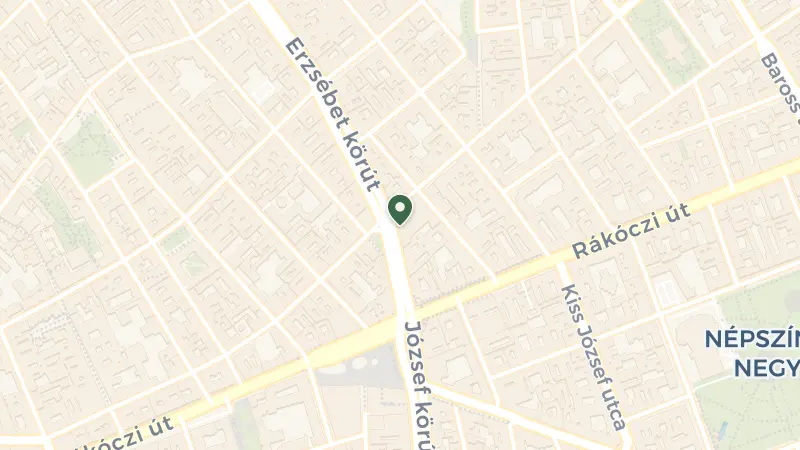
Anantara's philosophy of immersive cultural connection finds its fullest European expression in Budapest, a city whose layered history unfolds along both banks of the Danube. The property Stands in Erzsébetváros, the seventh district, where the density of life and history presses close: this is the historic Jewish quarter of Pest, home to the Dohány Street Synagogue, Europe's largest functioning synagogue, its Moorish Revival domes visible from surrounding streets. The neighbourhood hums with contradictions: ruin bars occupy crumbling courtyards, contemporary galleries share walls with century-old bakeries, and the scent of lángos frying drifts from market stalls near Klauzál tér, a four-minute walk away.
The Danube cleaves the city into Buda's castle-crowned hills and Pest's sprawling plains, a geographic division that has shaped Budapest since the three settlements merged in 1873. Beyond the immediate quarter, the UNESCO-inscribed Banks of the Danube unfold in both directions, Gothic Buda Castle rising to the west, Andrássy Avenue stretching eastward toward Heroes' Square. The city produces over forty percent of Hungary's economic output yet retains the atmospheric weight of its past: Roman Aquincum, Ottoman occupation, Habsburg grandeur, all legible in the architecture.
Budapest Liszt Ferenc International Airport lies sixteen kilometres southeast, connected by direct rail and road links that bring travelers into the heart of Pest within forty minutes.
The neighbourhood rewards wandering on foot: Szimpla Kert, the ur-ruin bar that launched a movement, sprawls across a former factory six hundred metres north, while the Great Market Hall, its neo-Gothic ironwork sheltering stalls of paprika and Tokaji, Stands one and a half kilometres south on the Danube embankment. For Michelin-starred dining, Stand occupies a glass-walled kitchen setup eight hundred metres away, its two-star modern Hungarian cuisine building on foraged ingredients and precise technique. Book a table at Costes, one point two kilometres distant, where the sommelier's exceptional Hungarian wine selection traces terroirs from Villány to Tokaj. Salt, also nearby, preserves foraged fruits and vegetables in colourful jars lining its open kitchen, Mangalitsa ham cured in-house.
The UNESCO World Heritage designation extends beyond monuments to living culture: trace Andrássy Avenue's promenade of eclectic palaces, or cross the Széchenyi Chain Bridge at dusk when the Parliament's Gothic Revival bulk glows amber above the river. The Budai Arborétum, three kilometres west on the Buda slopes, offers rare tree specimens and sudden quiet. Don't miss the Sunday farmers' market at Szimpla, where producers from the Pannonian Basin sell raw honey, artisan cheeses, and seasonal vegetables under the same peeling frescoes that host late-night revelry.
Winter settles over Budapest with metallic light and temperatures hovering near freezing, the Danube sometimes releasing morning mist that softens the castle's silhouette. December through February sees occasional snow dusting the city's rooftops, thermal baths steaming against cold air. Spring arrives decisively in April, chestnut trees blooming along the Nagykörút as cafés spill tables onto terraces.
High summer brings warm, dry days, evenings lingering past nine o'clock with golden light slanting across the river. July and August peak in the mid-twenties Celsius, ideal for rooftop terraces and evening walks along the embankment. September extends summer's warmth without the crowds, the city regaining its working rhythm as university terms resume.
Autumn's shorter days and cooler nights make October and November the best months for museum visits and indoor thermal baths, plane trees shedding leaves across Városliget while wine harvest celebrations animate the countryside beyond the city.
Frequently Asked Questions

Quotes are personally reviewed by Natasha Hardy, founder of The Uncommon Traveller
5.0 rating · 8 Google reviewsThere is no fee or markup. The hotel pays our commission.
Request a Quote 4 Bib Gourmand