Banyan Tree Vabbinfaru
When you book Banyan Tree Vabbinfaru in North Malé Atoll, Maldives, through our Accor Hera partnership, your stay includes daily breakfast for two and a $100 USD hotel credit. You also receive a room upgrade, early check-in and late check-out when available. No premium credit card or membership needed: request a quote and our advisor books it at the same rate as booking direct.
Exclusive Booking Perks
These perks are included with your stay at the same rate as booking direct with the hotel.
- Daily complimentary breakfast for 2, per room
- $100 USD credit to be spent on property (conditions defined at check-in)
- Early check-in & late check-out (upon availability)
- Upgrade at time of check-in (upon availability)
Guest feedback
9.2/10 from 266 guest reviews
By category
Guests liked
- Friendly and attentive staff
- Beautiful location
Points to consider
- Some construction noise
- Limited wine selection
Location

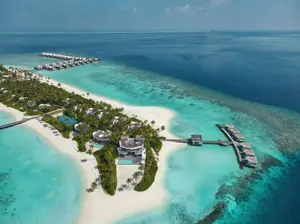
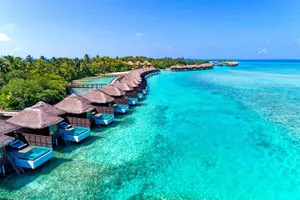
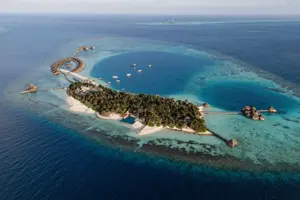
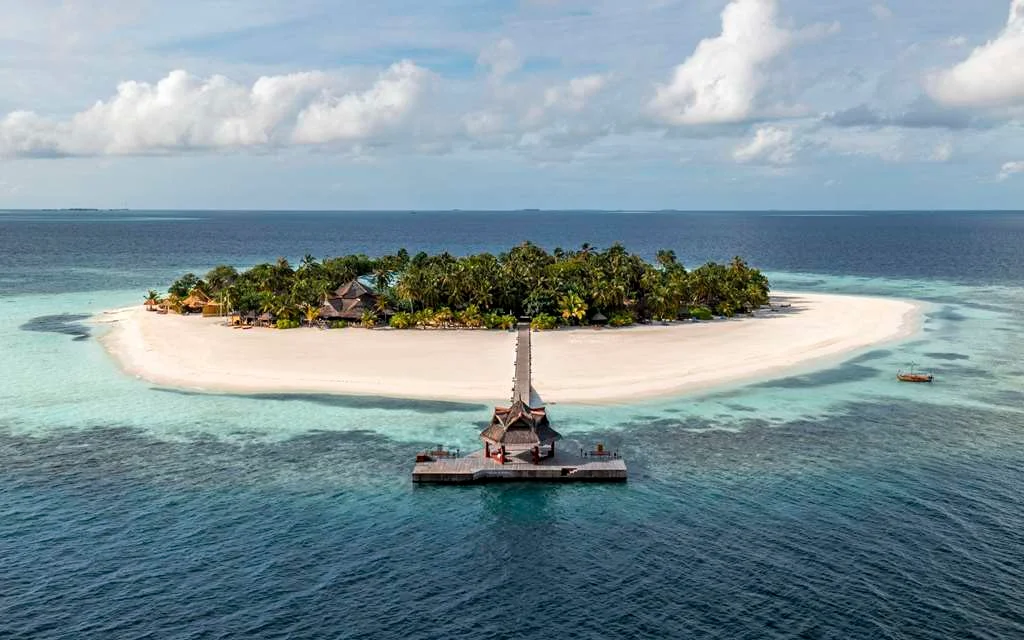
Banyan Tree's philosophy of sustainability and Asian-rooted wellness finds its fullest expression in the Maldives, where the brand's conservation ethos aligns with one of the world's most fragile and beautiful ecosystems. The property occupies a private island in North Malé Atoll, where the architecture of the resort yields to the rhythm of tides, trade winds, and the slow procession of dhonis crossing the lagoon. This is the Maldives stripped of excess: sand paths beneath your feet, the scent of frangipani on salt air, the sound of water lapping against stilts at high tide.
North Malé Atoll sits at the heart of the archipelago, close enough to Velana International Airport that seaplane transfers take minutes rather than hours, yet far enough that the island feels genuinely untethered. The atoll's reefs are among the most accessible in the Maldives, with house reefs that drop sharply into channels where currents bring pelagic visitors. Malé, the capital, is visible on clear days, a cluster of minarets and mid-rise buildings across the water, but the rhythm here is dictated by sunrise, not schedules.
The nearest airport, Velana International, lies eighteen kilometres south. Speedboat transfers cross open water in under thirty minutes, while seaplanes offer aerial views of the atoll's geometry: rings of coral, turquoise shallows, and the deep indigo of ocean beyond.
The house reef begins where the beach ends. Snorkellers wade in and find themselves suspended above gardens of table coral, anemones swaying in the current, and schools of fusiliers that shift direction in unison. The Rannamaari Wreck, less than a kilometre offshore, is a popular dive site where the hull has been colonised by soft corals and resident moray eels. Banyan Tree Spa, rooted in the brand's signature Asian healing traditions, offers treatments in pavilions that open to the lagoon, where the sound of water becomes part of the therapy itself. Book a table at one of the property's dining venues for Maldivian curries scented with pandan and curry leaf, or grilled reef fish served with coconut sambol.
Beyond the island, the atoll's dive sites offer wreck dives and drift dives through channels where manta rays and eagle rays glide past. Victory Wreck, eighteen kilometres away, is a cargo ship sunk in the 1980s, now a haunt for schools of snappers and the occasional nurse shark. Hulumale Beach, seventeen kilometres south, is one of the few public beaches in the Maldives, lifeguarded and backed by the hum of the capital's outer suburbs, a contrast to the private-island stillness.
The Maldives occupies a narrow thermal band: the air hovers in the high twenties year-round, the water warmer still. The light, however, shifts with the monsoons. December through April brings the northeast winds and the driest skies, when the sun is relentless and the lagoon glows turquoise under cloudless afternoons.
May marks the transition to the southwest monsoon. Rain arrives in sudden squalls that darken the horizon, then pass, leaving the air scrubbed clean and the ocean restless. June through September sees the heaviest precipitation, though showers are often brief and fierce, clearing by evening. The water remains warm, the diving excellent, but the sea can be choppy.
November is the shoulder season, when the rains taper and the ocean calms again. The best visibility for diving and snorkelling comes with the dry months, but the Maldives rewards patience in any season: the reef does not close, the water does not cool, and the rhythm of the island persists regardless of the forecast.
Frequently Asked Questions

Quotes are personally reviewed by Natasha Hardy, founder of The Uncommon Traveller
5.0 rating · 8 Google reviewsThere is no fee or markup. The hotel pays our commission.
Request a Quote