Ca' di Dio - VRetreats, SLH Collection
When you book Ca' di Dio - VRetreats, SLH Collection in Venice, Italy, through our withIN by SLH partnership, your stay includes daily continental breakfast for two and a hotel credit of $50-$100 USD per stay. You also receive a one-category room upgrade and early check-in when available. No premium credit card or membership needed: request a quote and our advisor books it at the same rate as booking direct.
Exclusive Booking Perks
These perks are included with your stay at the same rate as booking direct with the hotel.
- A credit worth $50-$100 (USD) per room, per stay to be spent only on extras such as F&B or Spa, only on property and during the stay
- Daily Continental breakfast for two people
- Room upgrade to next room category, subject to availability at the time of check-in
- Early check-in, subject to availability at the time of check-in
- Late check-out, subject to availability
Guest feedback
9.4/10 from 1,467 guest reviews
Read what guests commentedBy category
Guests liked
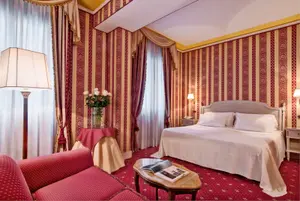
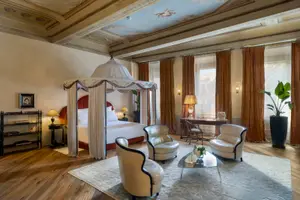
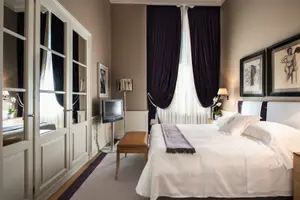
- Spacious rooms
- Friendly staff
- Great location
Points to consider
- High prices
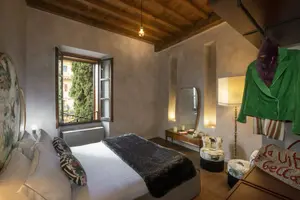
- Limited heating options in some rooms
Location
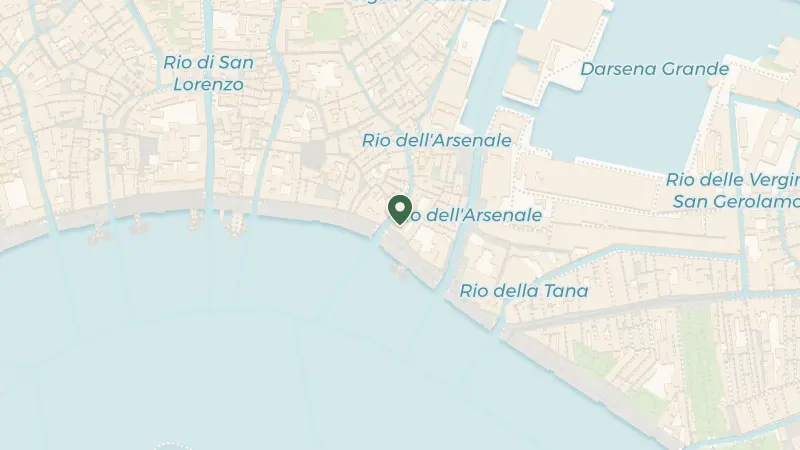
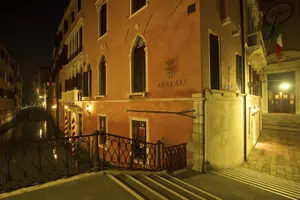
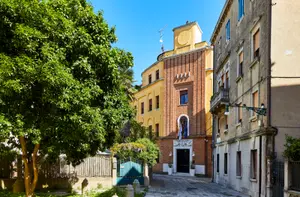
Ca' di Dio stands in Castello, the quietest and most residential of Venice's sestieri, where the rhythm of daily life persists beyond the tourist thoroughfares. The property occupies a 13th-century former pilgrims' hospice on the waterfront, steps from the Giardini della Biennale and the vaporetto landing at Arsenale. This is Venice at its most workmanlike and unhurried: laundry strung between ochre palazzi, neighbours conversing across narrow calli, the smell of roasting coffee drifting from corner bars.
The neighbourhood reveals the maritime republic's origins. The Arsenale, once the shipyard that powered Venetian naval supremacy, looms a few minutes' walk west. To the east, the Riva dei Sette Martiri stretches along the lagoon, offering unobstructed views across the water to San Giorgio Maggiore and the Lido. The Biennale pavilions occupy the Giardini, transforming this corner of the city into a contemporary art pilgrimage site every other summer.
Venice itself, founded in the 5th century across 126 islands, remains improbably intact. The entire lagoon city and its archipelago form a UNESCO World Heritage Site, inscribed in 1987. Marco Polo Airport sits eight kilometres across the water; vaporetti and water taxis connect directly to Castello, delivering arrivals by boat as travellers have arrived for centuries.
On-site, VeRo serves modern Venetian cuisine that reflects chef's training without predictable genuflection to tradition. The dining room overlooks the lagoon, and the menu shifts with what arrives from the Rialto Market each morning: sarde in saor reimagined, nero di seppia risotto that tastes of the sea. For Michelin-starred ambition, Glam Enrico Bartolini occupies Palazzo Venart less than two kilometres west, its two-star kitchen working within quiet gardens that buffer the Grand Canal's theatrical parade. Book a table for Bartolini's signature risotto alla Milanese, elevated beyond recognition yet somehow still rice, butter, saffron.
The Rialto Market, thirteen hundred metres northwest along the canal, opens early and closes by noon. Fishmongers arrange catches on marble slabs slick with brine: canoce with their prehistoric spines, soft-shell molicche, ruby-dark tuna from the Adriatic. Cross the Rialto Bridge and the city's most essential architecture crowds the skyline: St Mark's Basilica, begun in 828 and layered with Byzantine gold mosaics; Doge's Palace, its fourteenth-century Gothic arcades floating above the piazzetta. Don't miss Ca' d'Oro, the fifteenth-century palace turned museum, where Mantegna's St Sebastian hangs in rooms overlooking the Grand Canal's slow-motion traffic.
Winter light in Venice is pewter-soft, the lagoon fog muting colours to Guardi's palette. December through February sees temperatures dipping just above freezing, the canals reflecting bare skies, acqua alta flooding Piazza San Marco with surprising regularity. Crowds thin, leaving churches and museums blessedly quiet.
Spring arrives in March, bringing warmth and lengthening light that turns the lagoon gold by evening. May temperatures reach the low twenties, though rainfall peaks now and in autumn. Summer (June through August) is hot and increasingly crowded, with temperatures nearing 28°C; the stone streets radiate stored heat long past sunset.
September and October offer the city's best conditions: warm afternoons, crystalline air, and that particular Venetian light that Turner spent years trying to capture. The Biennale reopens, yet the summer crush has eased.
Frequently Asked Questions

Quotes are personally reviewed by Natasha Hardy, founder of The Uncommon Traveller
5.0 rating · 8 Google reviewsThere is no fee or markup. The hotel pays our commission.
Request a Quote 5 Bib Gourmand