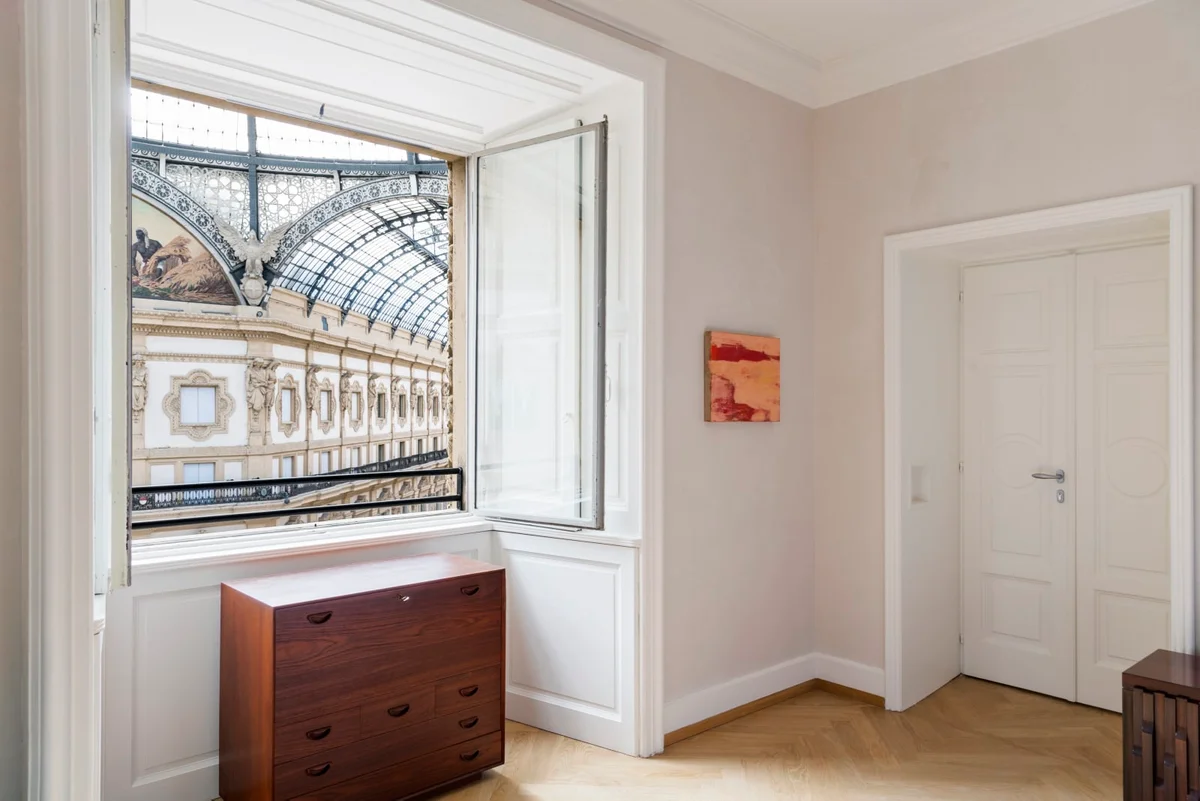
Galleria Vik Milano - Townhouse Galleria - Small Luxury Hotels of the World
When you book Galleria Vik Milano - Townhouse Galleria - Small Luxury Hotels of the World in Milan, Italy, through our withIN by SLH partnership, your stay includes daily continental breakfast for two and a hotel credit of $50-$100 USD per stay. You also receive a one-category room upgrade when available. No premium credit card or membership needed: request a quote and our advisor books it at the same rate as booking direct.
Exclusive Booking Perks
These perks are included with your stay at the same rate as booking direct with the hotel.
- A credit worth $50-$100 (USD) per room, per stay to be spent only on extras such as F&B or Spa, only on property and during the stay
- Daily Continental breakfast for two people
- Room upgrade to next room category, subject to availability at the time of check-in
- Early check-in, subject to availability at the time of check-in
- Late check-out, subject to availability
Guest feedback
8.4/10 from 829 guest reviews
Read what guests commentedBy category
Guests liked
- Great location
- Friendly and helpful staff
- Scenic views
Points to consider
- Cleanliness issues
- Room comfort problems
- Limited dining options
Location
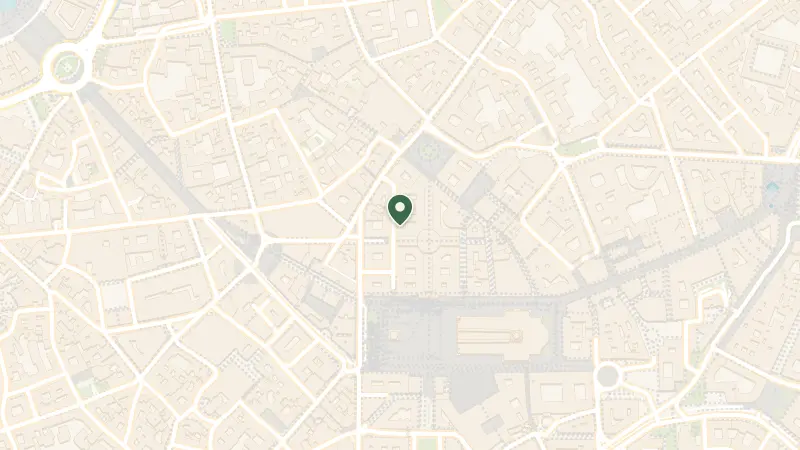
Galleria Vik Milano inhabits one of the world's most storied shopping arcades: the Galleria Vittorio Emanuele II, a soaring iron-and-glass passage completed in 1877 that connects Piazza del Duomo to Piazza della Scala. The hotel brings a residential sensibility to this monumental setting, with interiors conceived as a collector's apartment rather than a conventional luxury address. Art fills every corner, curated by the Vik family, whose portfolio of properties balances cultural depth with personal warmth.
Step through the arcade's entrance and the hum of central Milan surrounds you: the marble mosaics underfoot, the cafés spilling onto cobblestones, the cathedral's Gothic pinnacles rising just beyond. The Duomo itself stands less than a hundred metres away, its façade illuminated at dusk. La Scala, the opera house that has premiered works by Verdi and Puccini, sits a short walk north. The neighbourhood radiates outward from this crossroads: Via Montenapoleone's fashion ateliers, the 15th-century courtyards of Castello Sforzesco, the canals of Navigli where aperitivo bars line the water.
Linate Airport lies seven kilometres east, a twenty-minute drive through the city's gridded streets. Malpensa, the larger international gateway, sits forty kilometres northwest, connected by rail and motorway. Both deliver travelers into a city where Renaissance ambition and contemporary industry coexist without apology.
Book a table at Verso Capitaneo, just 116 metres away on Piazza Duomo, where two Michelin stars translate into intimate counter dining opposite the open kitchen. Plates arrive finished before your eyes, a theatre of precision and restraint. For a broader stage, cross the city to Enrico Bartolini al Mudec, 2.7 kilometres southwest, where three stars and a museum setting frame the chef's boldest ideas. Closer still, Seta by Antonio Guida at the Mandarin Oriental, 416 metres distant, interprets Milan's cosmopolitan appetite through seasonal tasting menus that shift with the markets. Between meals, the Museo Poldi Pezzoli, established 1881, displays Renaissance armour and Botticelli portraits in a nobleman's palazzo. The Diocesan Museum of Milan, opened 2001, connects to the Duomo and holds centuries of liturgical art.
Walk south to Mercato Papiniano, 1.7 kilometres away, where fabric vendors and cheese sellers occupy the same stalls their grandparents did. I Dilettanti Wine Bar, 1.3 kilometres from the property, pours Piedmont and Lombardy vintages in a room lined with bottles. The Villa Necchi Campiglio, a rationalist masterpiece from the 1930s, opens its poolside gardens to visitors who want to understand Milan's interwar elegance.
Winter wraps Milan in damp chill, temperatures hovering between freezing and six degrees from December through February. Fog settles over the metropolitan plain, softening the city's hard edges. Cafés fill with locals nursing macchiati, and the opera season at La Scala reaches its peak.
Spring arrives gradually, March bringing rain that swells into April and May. By late April, temperatures climb past sixteen degrees, the wisteria blooms on courtyard walls, and the fashion crowd descends for Salone del Mobile. The city shakes off its winter reserve. Sidewalks fill again.
Summer heats Milan to the high twenties, July and August emptying the centre as Milanese decamp to the lakes or the coast. The arcade's shade offers relief, but the city slows. September revives the pace: cooler air, fewer tourists, and the business calendar resuming. October delivers crisp mornings and rain, the plane trees turning bronze. Visit in spring or early autumn for Milan at its most energized.
Frequently Asked Questions

Quotes are personally reviewed by Natasha Hardy, founder of The Uncommon Traveller
5.0 rating · 8 Google reviewsThere is no fee or markup. The hotel pays our commission.
Request a Quote 7 Bib Gourmand